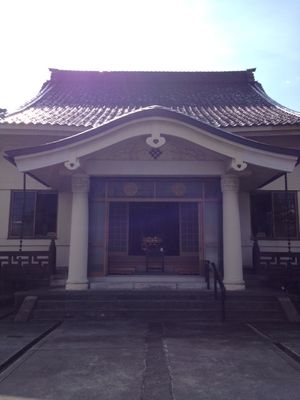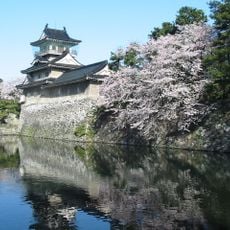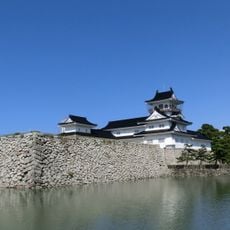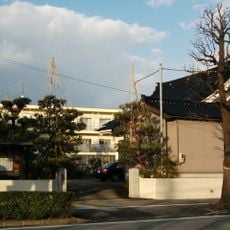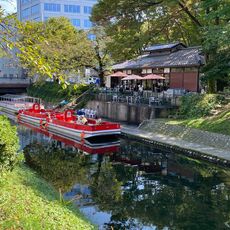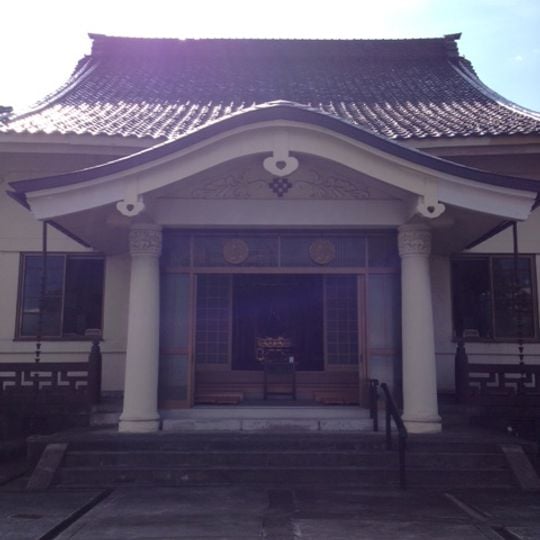
Gankai-ji, Buddhist temple in Toyama, Japan.
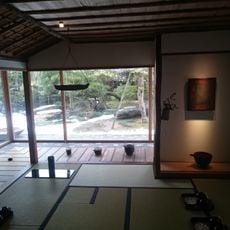
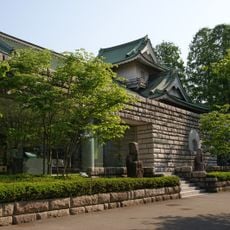
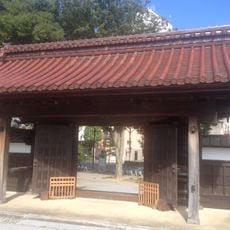
Gankai-ji is a Buddhist temple in Toyama with a large complex that spans multiple connected buildings arranged across the grounds. The site features a castle-like design with two surrounding moats that define its distinctive layout.
The temple was founded in 1613 by Maeda Toshinaga, the second daimyo of Kaga Domain, under its original name Hoen-ji. It received its current name Gankai-ji following his death.
The temple belongs to the Soto school of Zen Buddhism and is home to resident monks who practice daily rituals within its walls. Visitors can sense the rhythm of monastic life and occasionally witness traditional ceremonies as they unfold.
The grounds are spacious and best explored on foot, with long corridors connecting the different areas throughout the site. It helps to allow time for walking around to see all parts of the complex.
The layout of the temple mirrors the design of Jingshanshou, a Zen temple in Hangzhou, China, revealing strong Chinese influence in its Japanese architecture. This uncommon reference to a Chinese prototype makes the site architecturally distinctive.
The community of curious travelers
AroundUs brings together thousands of curated places, local tips, and hidden gems, enriched daily by 91,092 contributors worldwide.