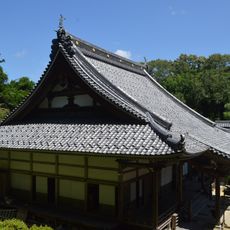
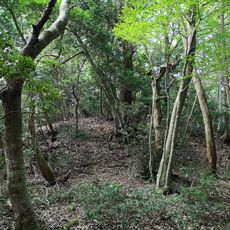
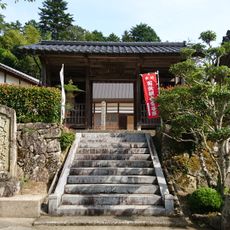
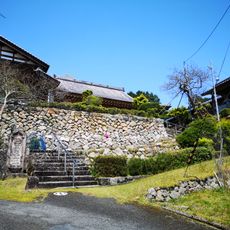
Ebisuyama Kofun, Keyhole-shaped burial mound in Yosano, Japan
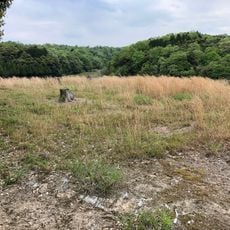
Ebisuyama Kofun is a burial mound in Yosano with a distinctive keyhole shape consisting of a square front section and a circular rear portion. The structure rises across multiple levels and exemplifies the construction methods used for tombs during the early imperial period.
The mound was constructed in the early imperial period, around the 4th century, as a burial site for a person of importance. The monument sustained damage from an earthquake in 1927 but was later designated as a National Historic Site.
The name draws from the Ebisu deity, reflecting the spiritual importance this site held for ancient communities. Walking around the mound today helps visitors understand how burial practices shaped the landscape and beliefs of that era.
The site is best accessed by vehicle from the nearest railway station, requiring a short drive through the local area. The grounds are open for self-guided exploration and the terrain is relatively straightforward to navigate.
Inside the mound are multiple burial chambers that reflect different burial practices and social organization of the era. These separate compartments show how leaders chose to bury different family members or attendants together in a single monument.
The community of curious travelers
AroundUs brings together thousands of curated places, local tips, and hidden gems, enriched daily by 91,098 contributors worldwide.