Tōnogō-hachimangū, Shinto shrine in Japan
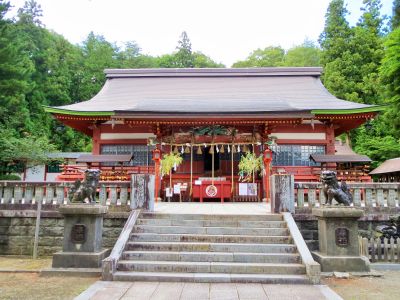
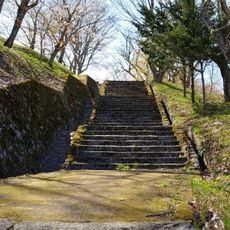
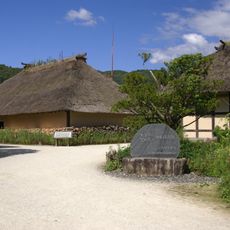
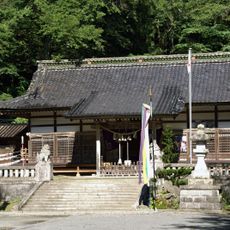
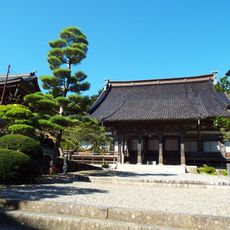
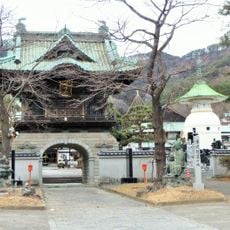
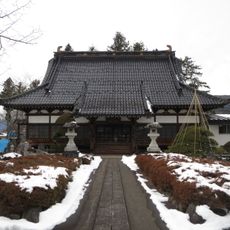
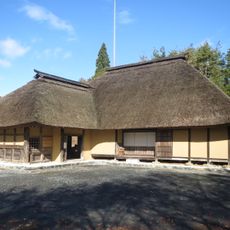
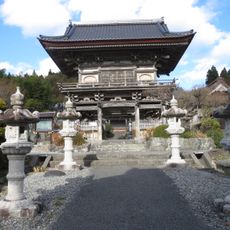
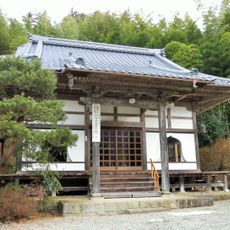
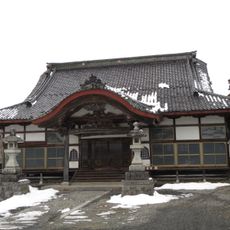
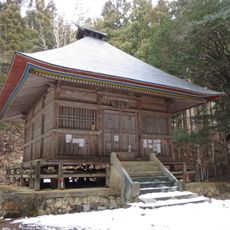
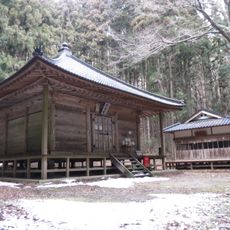
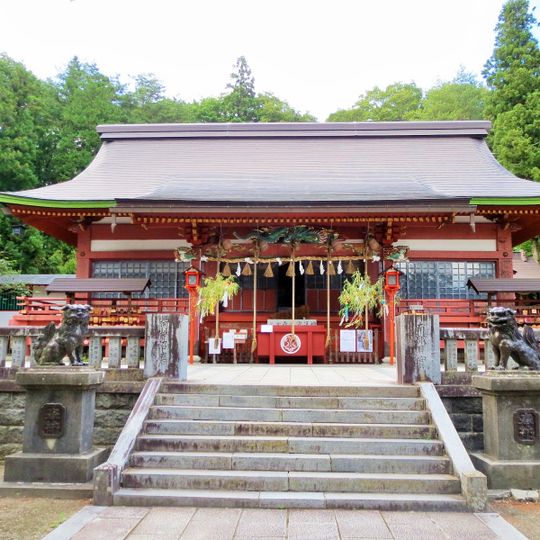
Tōnogō-hachimangū is a Shinto shrine located in the town of Tōno, Japan, where people come to pray for good luck and protection. The wooden buildings feature gently curved roofs in traditional style, surrounded by trees and simple structures that create a peaceful setting.
The shrine was founded around 1189, after a battle when regional leaders wanted to create a place to honor their protectors. The Asonuma family, who built a nearby castle and ruled the land, worshipped this shrine as their guardian deity.
The shrine has been a gathering place for locals for generations, where they pray for health, safe travel, and good harvests. During festivals, the community comes together to celebrate and perform traditional arts, music, and dance that reflect local customs and beliefs.
The shrine is easily accessible by walking through Tōno's streets and is located just a short walk from the nearest train station. Several parking lots are available with space for around 150 cars, including spots for larger vehicles.
The shrine is known for a wooden lion-head carving called Gon Gensama, which locals believe has the power to protect from fire. Each January, a special New Year Festival celebrates this figure, allowing visitors to see it up close in the shrine's hall.
The community of curious travelers
AroundUs brings together thousands of curated places, local tips, and hidden gems, enriched daily by 91,373 contributors worldwide.