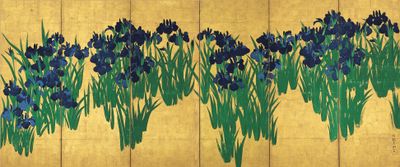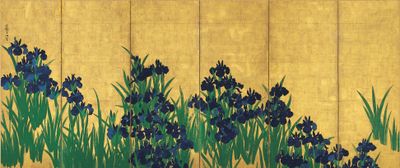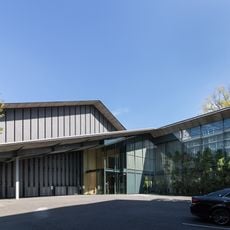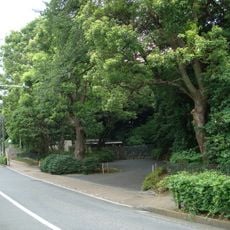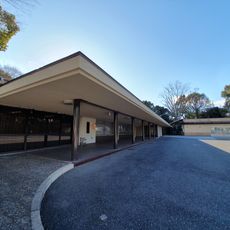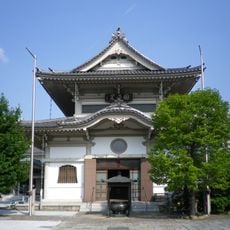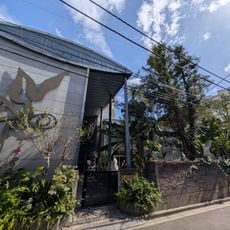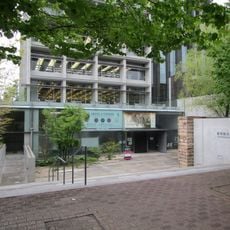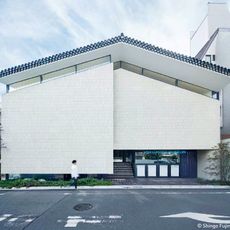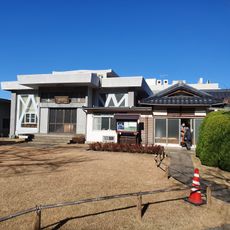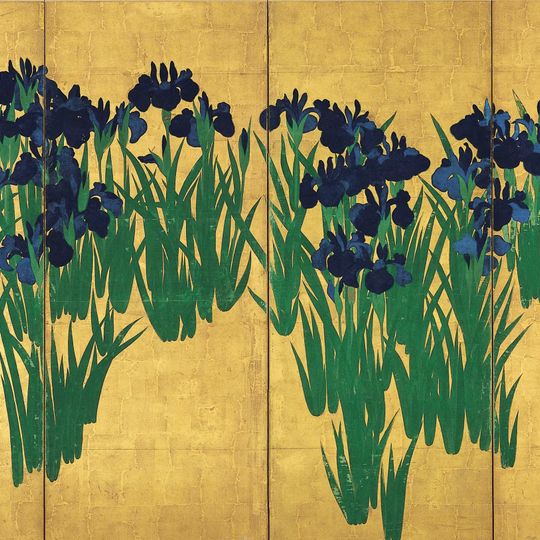
Irises screen, Pair of folding screens at Nezu Museum, Japan
The screens at Nezu Museum show Japanese irises in ultramarine blue on gold background panels. Six folding panels form each screen and repeat the flower motifs across the entire surface.
A Buddhist temple in Kyōto housed these works for over two centuries. The collector Nezu Kaichirō acquired them in the early 20th century and brought them to Tōkyō.
The name comes from a classical Japanese tale about water irises growing along a riverbank. Visitors today recognize the repeated flower form and the reduced color palette that set these screens apart from other works of the period.
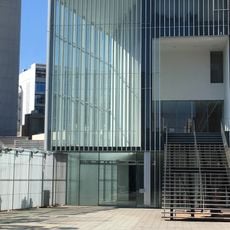
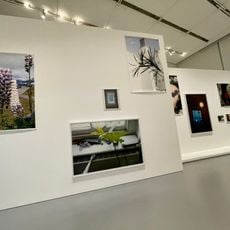
The museum displays these panels mostly in May when the garden irises bloom. The exhibition hall is well lit and allows a clear view of the surface details.
The artist Ogata Kōrin used stencils to make each flower identical while applying only two colors on gold. This technique resulted in a rhythmic repetition that resembles textile patterns more than traditional painting.
The community of curious travelers
AroundUs brings together thousands of curated places, local tips, and hidden gems, enriched daily by 91,399 contributors worldwide.