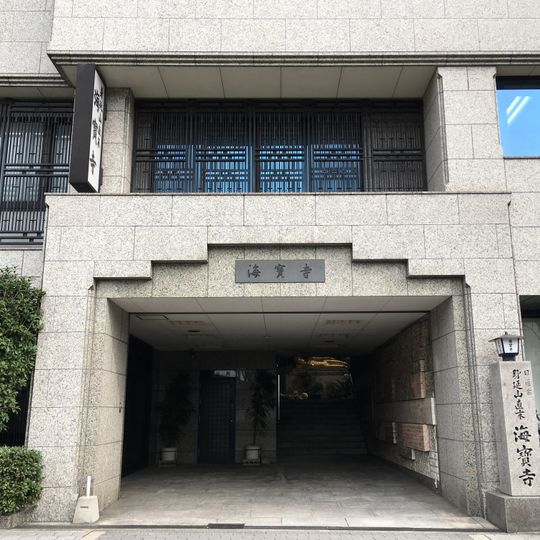
Kaihoji, Buddhist temple in Chūō-ku, Japan
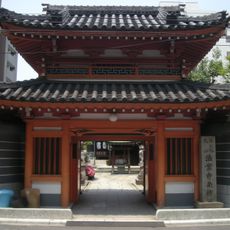
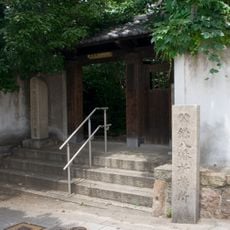
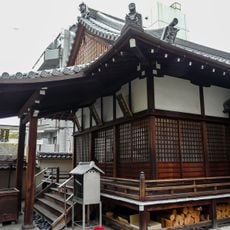
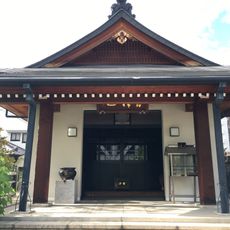
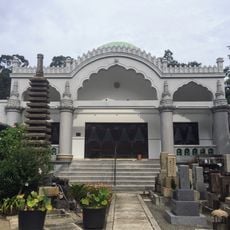
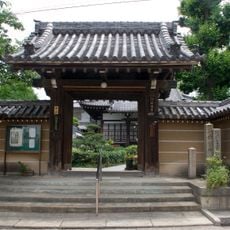
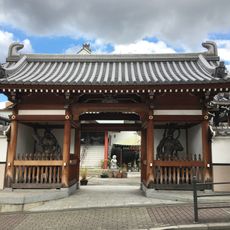
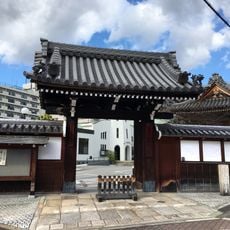
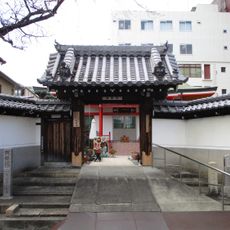
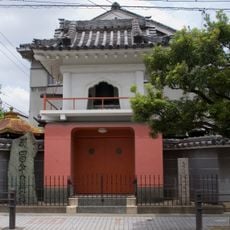
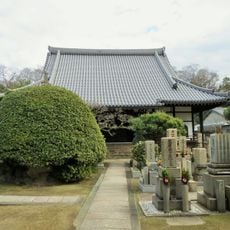
Kaihoji is a Buddhist temple in Chūō-ku with multiple buildings arranged for rituals and devotional practices, featuring a Main Hall, Main Gate, and an octagonal pagoda. The layout of these structures creates spaces where monks and visitors move through the complex for different purposes.
The temple was founded in 1128 by samurai Hirama Kanenori and priest Sonken, establishing its roots in medieval Japan. It suffered damage during World War II but was reconstructed afterward and continues to function today.
The temple serves as an active center for Shingon Buddhist practitioners who gather for traditional sutra copying and meditation sessions. These daily practices shape how the space functions and reveal the living tradition at the heart of the place.
Visitors need to arrange a visit in advance to access the temple and participate in its programs. This scheduling approach helps preserve the serene environment needed for the monks' daily spiritual work.
The temple's pagoda has an unusual octagonal shape, which sets it apart from the more common pagoda designs found at other temples. Inside, the main image of Kobo Daishi, founder of Shingon Buddhism, holds special significance for followers who visit.
The community of curious travelers
AroundUs brings together thousands of curated places, local tips, and hidden gems, enriched daily by 91,328 contributors worldwide.