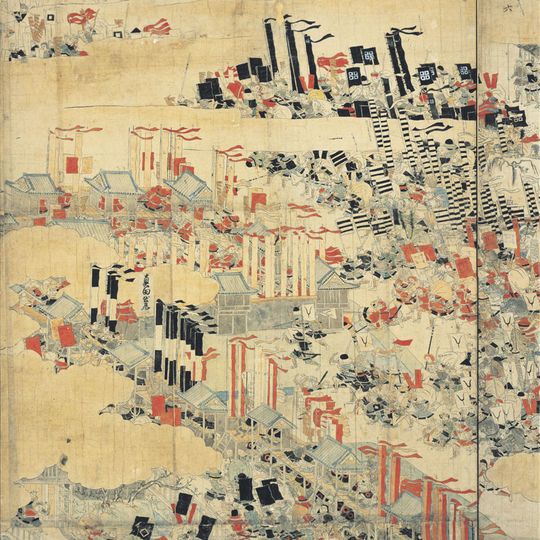
Sanada Maru, Fortification structure at Osaka Castle, Japan
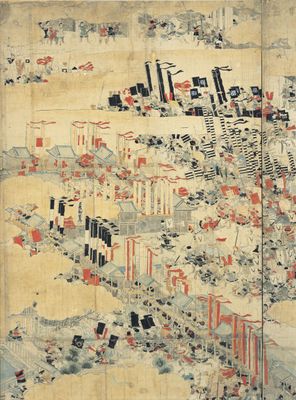
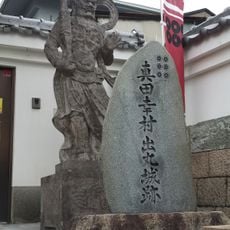
Sanada Maru was a small earthen fort attached to the southeast side of Osaka Castle, built with mounded earth and wooden fortifications equipped with firing platforms for cannons and muskets. The structure contained gates, moats, and wooden barriers that formed a tight defensive enclosure protecting the weakest approach to the main castle.
Sanada Nobushige built this fort in the winter of 1614 to defend the weaker southern side of Osaka Castle as the Tokugawa army advanced on the castle. After weeks of fierce fighting, the structure was destroyed as part of the peace settlement that ended the siege.
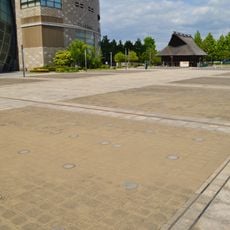
The fort's design shows how Japanese warriors of the early 1600s arranged walls and lookout spots to control approaches and protect their position. Visitors can still see how the raised ground shaped the layout, with the enclosed space facing toward the main castle grounds.
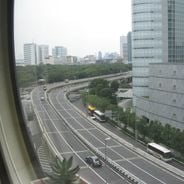
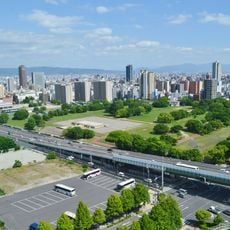
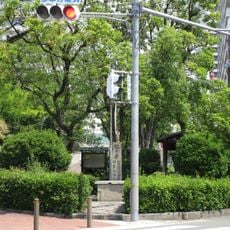
The site sits on a slight rise near Myojo Gakuen school and once offered clear views across the surrounding area. Markers and models at the location show the original layout and explain the defensive methods that were used.
Local stories tell of secret tunnels supposedly connecting the fort to the main castle, though historians doubt such passages ever existed. What defenders actually built were mines beneath the earth walls to counter enemy attacks with underground explosions.
Location: Esashi-machi
GPS coordinates: 34.67286,135.52628
Latest update: December 8, 2025 08:20
This collection documents major buildings that have disappeared throughout history. It includes religious structures such as the 15th-century Porcelain Tower of Nanjing, whose glazed bricks gleamed in sunlight, as well as destroyed palaces, theaters, and public buildings from various periods and continents. Among the lost structures are the Colossus of Rhodes, the Temple in Jerusalem, the Great Buddhas of Bamiyan, the Berlin Wall, and the World Trade Center. The reasons for the disappearance of these structures range from warfare to natural disasters to deliberate demolition for urban redevelopment. The Palais du Trocadéro in Paris was demolished in 1937 to make way for the current Palais de Chaillot. The Crystal Palace in London burned down in 1936. The Tacoma Narrows Bridge collapsed in 1940, just months after opening. This compilation provides insight into lost architectural achievements and the historical circumstances of their disappearance.
Naniwa Palace
910 m
城星學園中學校、高等學校
634 m
空堀商店街
1.1 km
Osaka Museum of History
1.2 km
Naniwa Nagara-Toyosaki Palace
923 m
Morinomiya Piloti Hall
1 km
NHK Osaka Hall
1.2 km
Grand Cathedral of the Virgin Mary of Osaka
649 m
NHK Osaka Broadcasting Center Building
1.2 km
Osaka International Peace Center
1 km
Osaka Castle Band Shell
1.2 km
Enju-an
194 m
Kyoikuto
1.2 km
Octopus stone
923 m
Hōenzaka Site
1.2 km
Etchū Well
768 m
長久寺
937 m
心眼寺
84 m
Kaihoji
987 m
観音寺 (大阪市天王寺区城南寺町)
388 m
興徳寺
85 m
Hosshoji
1.1 km
Unaraji
1.1 km
長安寺
587 m
Rokudai-in
176 m
大阪市立玉造幼稚園
519 m
Tamatsu Bridge
1.2 km
Shin-Kabukiza
1.1 kmVisited this place? Tap the stars to rate it and share your experience / photos with the community! Try now! You can cancel it anytime.
Discover hidden gems everywhere you go!
From secret cafés to breathtaking viewpoints, skip the crowded tourist spots and find places that match your style. Our app makes it easy with voice search, smart filtering, route optimization, and insider tips from travelers worldwide. Download now for the complete mobile experience.
A unique approach to discovering new places❞
— Le Figaro
All the places worth exploring❞
— France Info
A tailor-made excursion in just a few clicks❞
— 20 Minutes