Hataeda-hachimangu, Shinto shrine in Japan
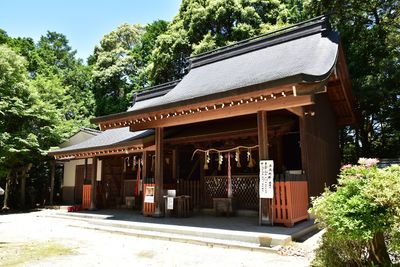
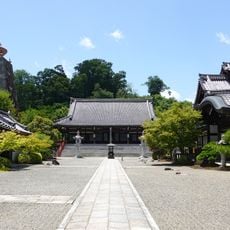
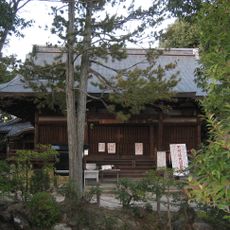
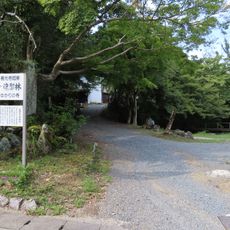
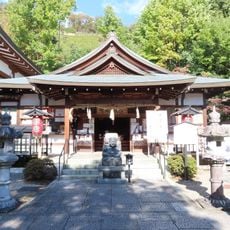
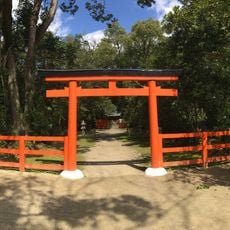
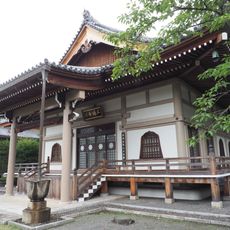
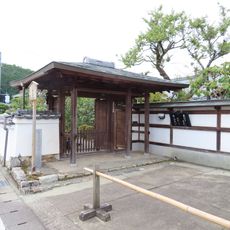
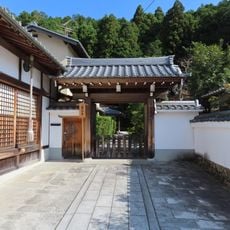
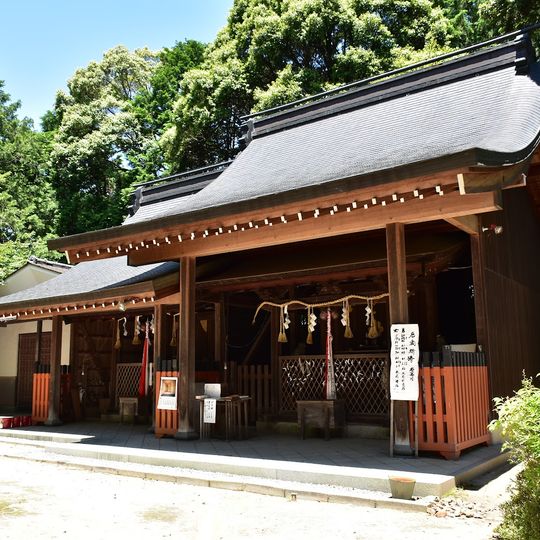
Hataeda-hachimangu is a small shrine in Sakyō-ku, Kyoto, featuring traditional wooden structures, curved roofs, and well-maintained grounds marked by a torii gate at the entrance, narrow paths lined with lanterns, and several smaller altar areas. The main hall is modest but well-kept, with carved wooden ornaments and shows careful craftsmanship from earlier times.
The shrine was founded in 894, over a thousand years ago, because people believed the gods would protect the city and its inhabitants. Its long history is connected to the Japanese imperial court, with past emperors visiting and making donations, strengthening a special sense of trust and tradition at this place.
The shrine is dedicated to Hachiman, a deity believed to protect people and their land, and draws visitors who come to pray for luck, safety, and success. You can observe simple rituals such as lighting incense or ringing bells as a sign of respect, offering insight into local customs and daily habits.
The shrine is easily accessible by public transportation, with bus lines nearby or a walking distance from nearby train stations, and offers free parking for those who choose to drive. The simple setting and calm atmosphere make it an ideal spot for a reflective visit in the middle of the busy city.
A special feature of Hataeda-hachimangu is a small shrine dedicated to the goddess of needles, popular among people who work with cloth or metal. In December, a special ceremony called Hari Kuyo takes place, where visitors honor and give thanks for the needles and tools they have used.
The community of curious travelers
AroundUs brings together thousands of curated places, local tips, and hidden gems, enriched daily by 91,989 contributors worldwide.