Historic Monuments of Ancient Kyoto, UNESCO World Heritage Site group in Kyoto, Japan
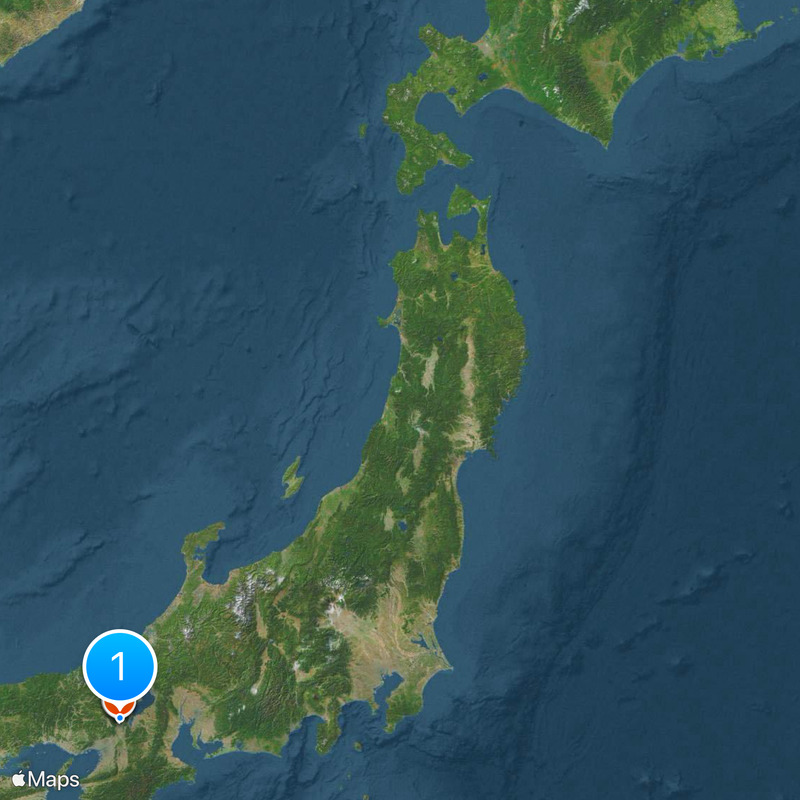
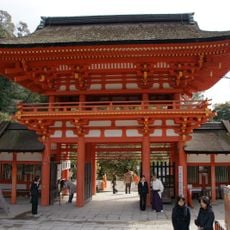
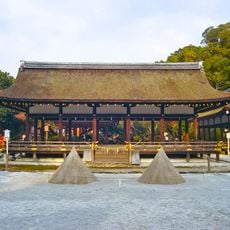
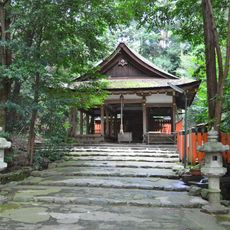
The Historic Monuments of Ancient Kyoto is a collection of 17 monuments across the cities of Kyoto, Uji, and Otsu that includes temples, shrines, and a castle compound. These locations spread across multiple neighborhoods and range from large temple complexes with several buildings to smaller sanctuaries on forested hillsides.
Built between the 8th and 19th centuries, these structures served as religious centers and residences for the imperial court when Kyoto was the capital. Several temples burned down multiple times and were rebuilt on the same site following the original plans.
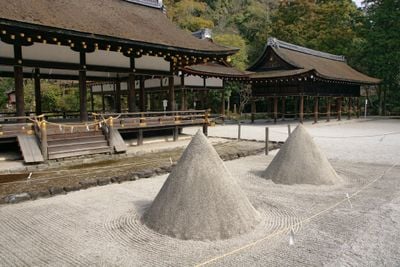
The original name Heian-kyō means "Capital of Peace and Tranquility," and many of these temple complexes still preserve elements of classical Japanese garden design using gravel, moss, and carefully positioned stones. Visitors experience quiet courtyards at several locations where monks rake the ground each morning and gardeners tend trees and shrubs according to old guidelines.
Most sites can be reached by subway and bus lines, and many temples lie close together in eastern and northern Kyoto. Visitors should allow at least one hour for each individual site and note that some areas open only during certain seasons.
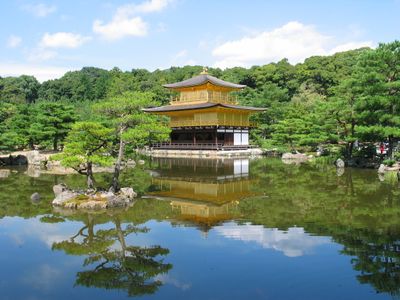
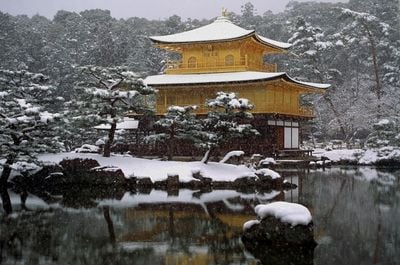
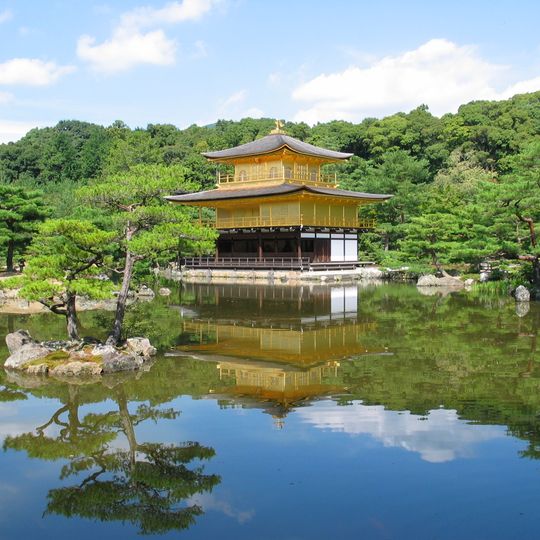
The golden roof of Kinkaku-ji is actually covered with real gold leaf that is renewed at regular intervals. The Ryōan-ji temple features a rock garden where viewers cannot see all 15 stones at once from any single point.
The community of curious travelers
AroundUs brings together thousands of curated places, local tips, and hidden gems, enriched daily by 91,997 contributors worldwide.