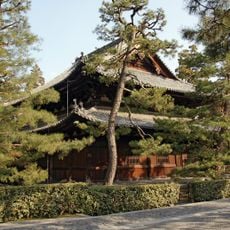
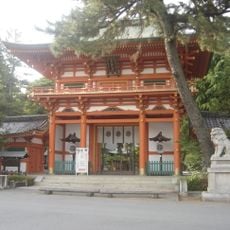
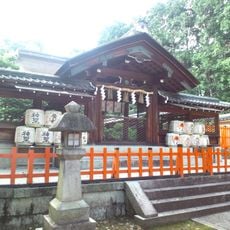
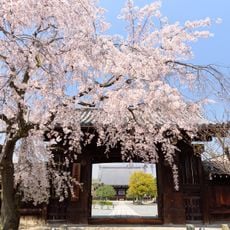
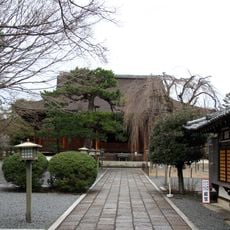
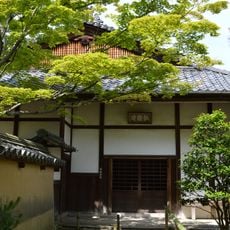
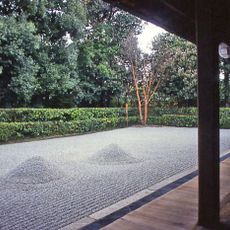
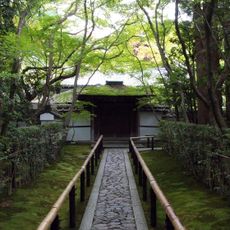
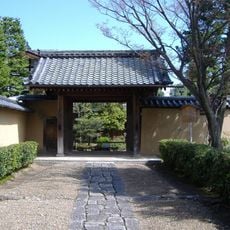
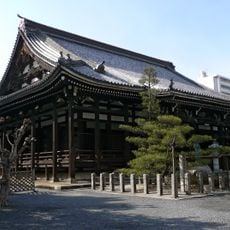
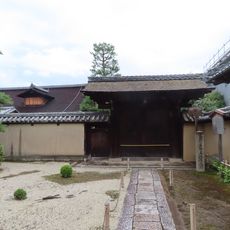
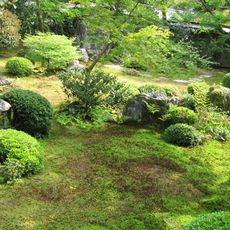
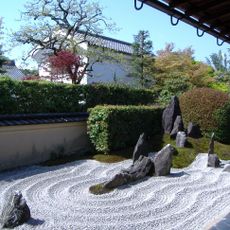
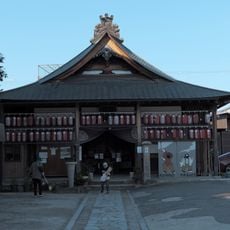
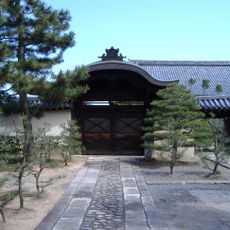
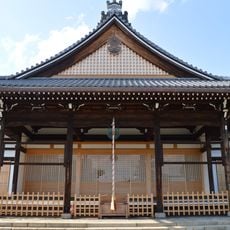
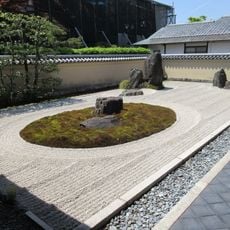
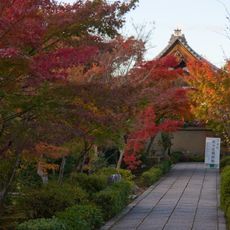
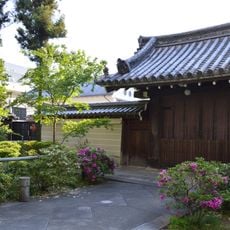
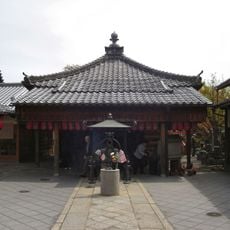
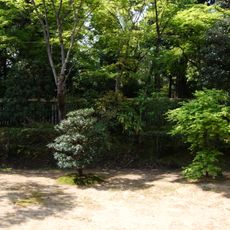
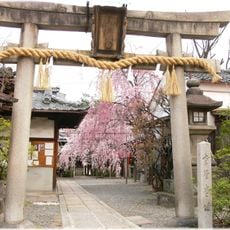
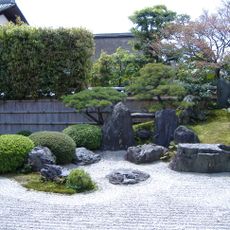
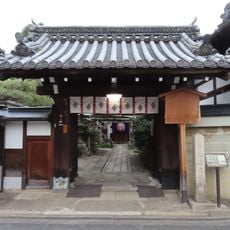
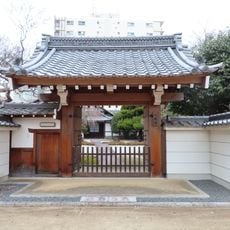
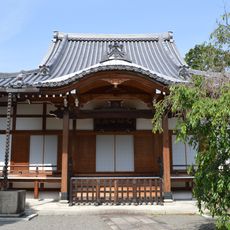
Ryōkō-in, Zen temple in Daitoku-ji complex, Kita-ku, Kyoto, Japan
Ryōkō-in is a Zen temple within the Daitoku-ji complex housing multiple buildings with rooms of varying sizes designed for meditation and contemplation. The spaces vary in their tatami-mat configurations and serve different purposes within Zen practice.
The temple was founded in 1606 as a memorial project by a feudal lord's son seeking to honor his father's memory through religious practice. This establishment reflected the historical importance of Zen temples as both spiritual and memorial spaces during that era.
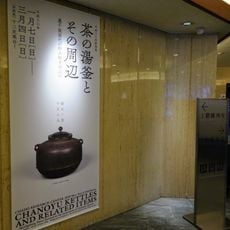
The temple's name comes from Kuroda Kanbei's posthumous name, Ryōkō-in den Nyosui Ensei Daikoji. Its tea utensils trace to Tsuda Sōkyū, father of abbot Kōgetsu Sōgan, and many pieces came through Kuroda Nagamasa's domains in Hakata and Sakai. The temple is closed to tourists and offers no public viewing.
The temple does not permit casual visits and instead runs a program of selected gatherings focused on teaching and practice. Interested visitors should inquire in advance about participation in the scheduled activities.
The four-and-a-half-mat tea room Mittan-seki, in the north-west corner of the National Treasure shōin, is attributed to Kobori Enshū. It has a special alcove, the Mittan-doko, built to display only one hanging scroll: the National Treasure calligraphy by the Song-dynasty monk Mittan Xianjie, the only surviving example of his brushwork.
The community of curious travelers
AroundUs brings together thousands of curated places, local tips, and hidden gems, enriched daily by 94,230 contributors worldwide.