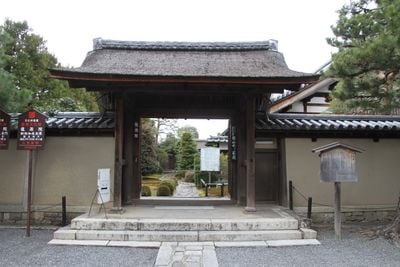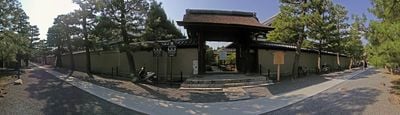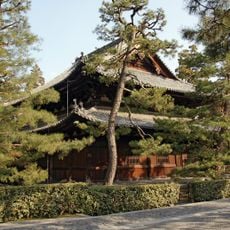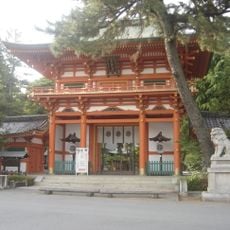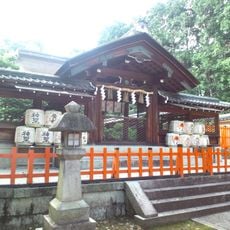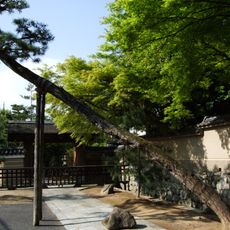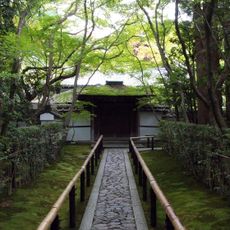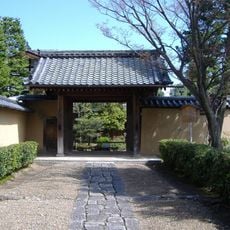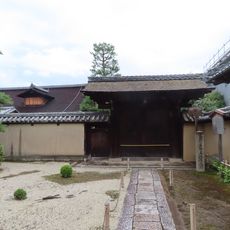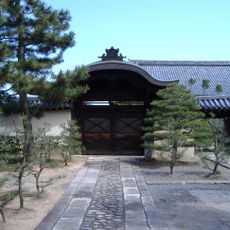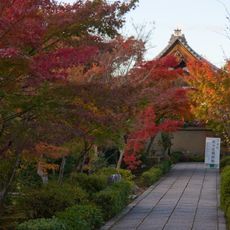
Ryōgen-in, Zen Buddhist temple in Kita-ku, Kyoto, Japan.
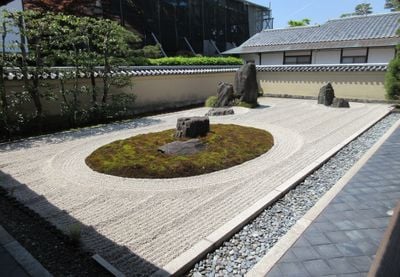
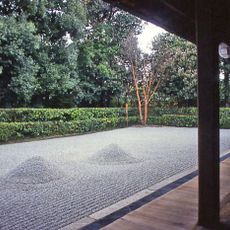
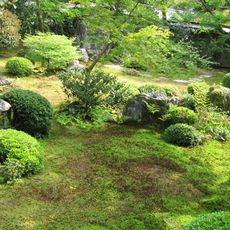
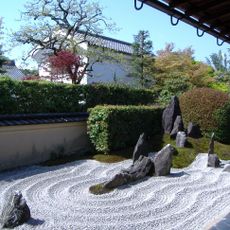
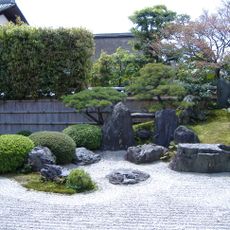
Ryōgen-in is a Zen Buddhist temple in Kita-ku, Kyoto, located within the larger Daitoku-ji complex. The grounds hold five distinct gardens, including the Totekiko with its minimalist design of raked gravel patterns in a space of just a few square meters.
Ryōgen-in was founded in 1502 by Tōkei Sōboku, with support from Hatakeyama Yoshimoto, Ōtomo Yoshinaga and Ōuchi Yoshioki; some sources give 1504. It is the oldest subtemple of Daitoku-ji. In the early Meiji period it absorbed Jiō-in from Sumiyoshi Taisha in Osaka and Kinryū-in, founded by Kanamori Nagachika at Daitoku-ji.
The garden's name, Ryōgin-tei, comes from the phrase "the dragon's roar" in Zen texts, and its central rock group represents Mount Sumeru, the axis of the Buddhist cosmos. The moss is tended to suggest the vast ocean, and the garden is attributed to the painter and garden designer Sōami. Visitors often sit on the veranda to trace the three stones against the moss.
The grounds are open daily from morning through afternoon, with hours shifting by season. As an active temple, visitors should dress respectfully and follow any posted guidance about walking through sacred spaces.
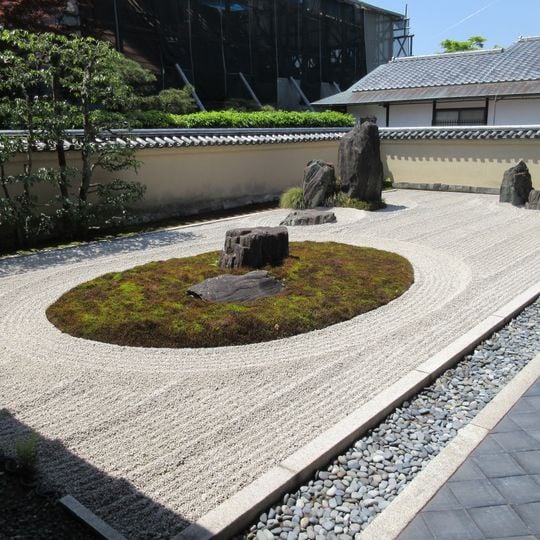
The Isshi-dan garden was made in 1980 by the abbot then in residence, and takes its name from the room name "Reizan Isshi no Ken" that Tōkei Sōboku received from his master Jitsuden. Its centre is a large round moss island with a standing stone, the Kame-jima.
The community of curious travelers
AroundUs brings together thousands of curated places, local tips, and hidden gems, enriched daily by 94,192 contributors worldwide.