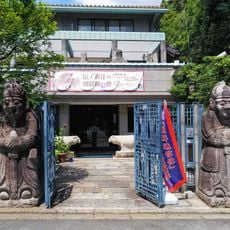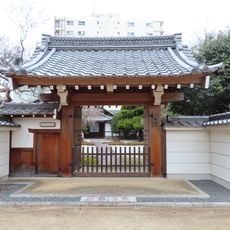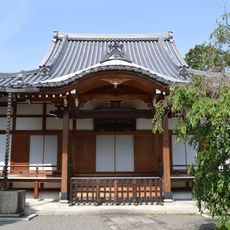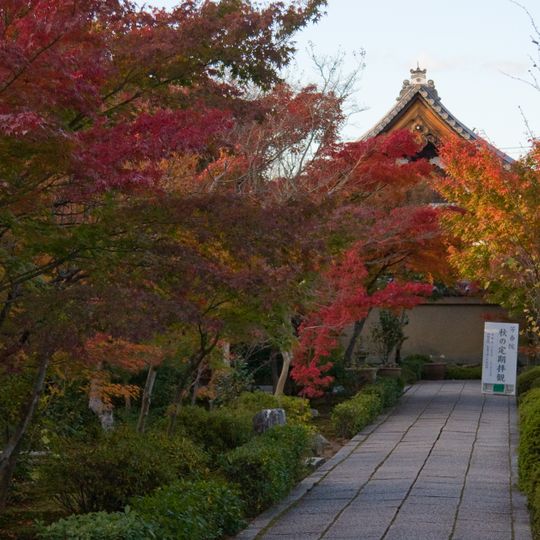
Hōshun-in, Buddhist sub-temple in Daitoku-ji complex, Kyoto, Japan
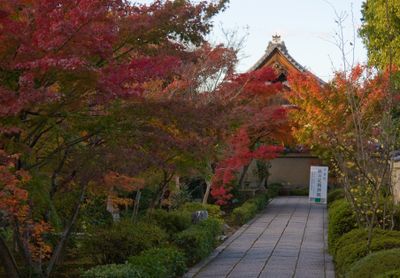
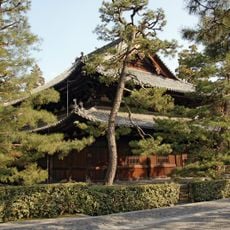
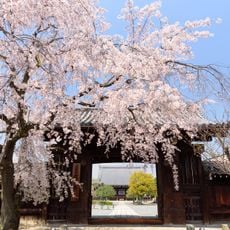
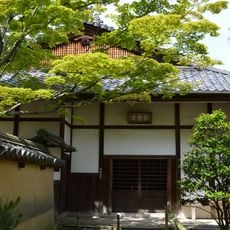
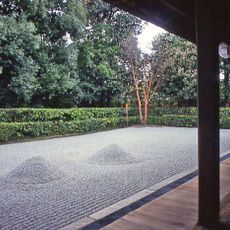
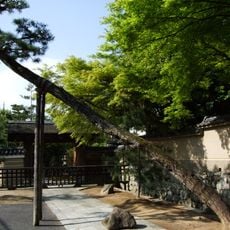
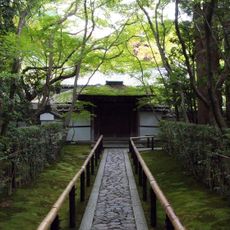
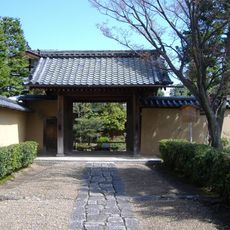
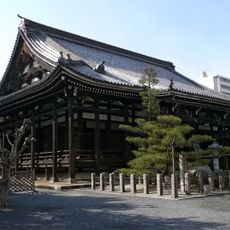
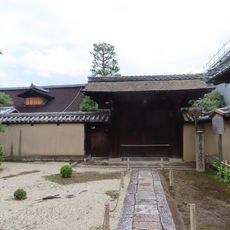
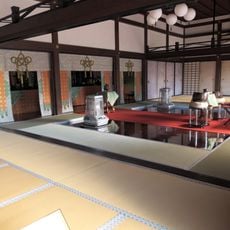
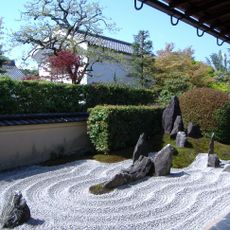
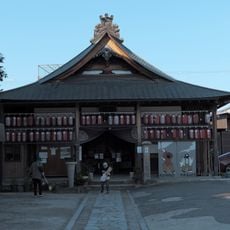
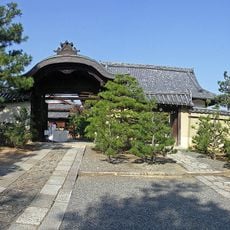
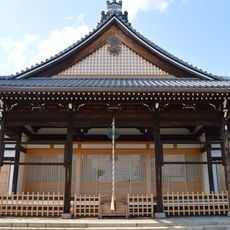
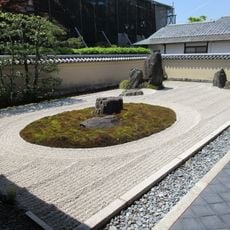
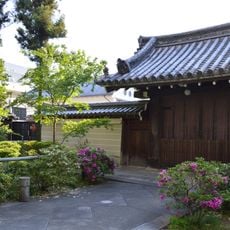
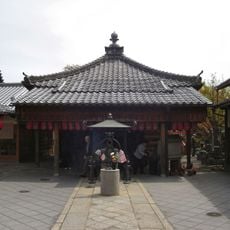
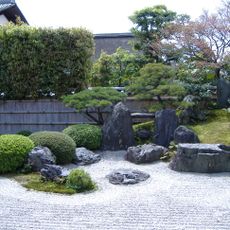
Hōshun-in is a sub-temple within the Daitoku-ji complex located at the northern edge of the grounds and features multiple rooms designed for tea ceremonies alongside traditional Japanese architecture. The buildings display characteristic wood construction, tatami mat interiors, and small landscaped gardens typical of Zen temples.
The temple was founded in 1608 by Maeda Matsu, wife of feudal lord Toshiie Maeda, with Gyokushitsu Sohaku appointed as its first chief priest. The distinctive Donkokaku pavilion was built in 1617 and remains one of four major historical pavilions in Kyoto.
The three tea houses within the grounds show how these spaces were designed specifically for tea ceremony rituals that continue today. Each room reflects the aesthetic principles that guide this traditional practice and how it shapes the way people interact with the space.
The temple is reached on foot from the main Daitoku-ji gate after taking the bus to Daitoku-ji mae stop. Visiting early in the morning allows you to explore the rooms and gardens with fewer crowds around.
The Donkokaku pavilion is often overlooked despite being an architectural achievement of the early Edo period, and visitors may miss how its garden creates a quiet retreat within the larger complex. Few people realize this structure shares significance with other major pavilions that define Kyoto's visual identity.
The community of curious travelers
AroundUs brings together thousands of curated places, local tips, and hidden gems, enriched daily by 60,000 contributors worldwide.