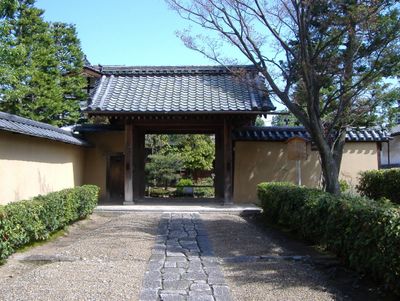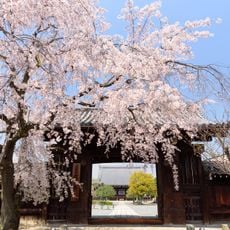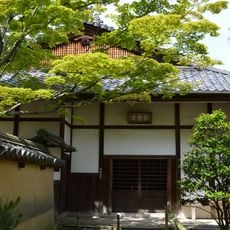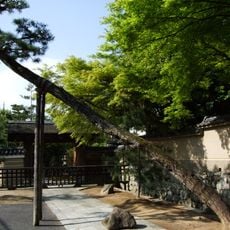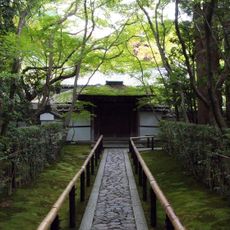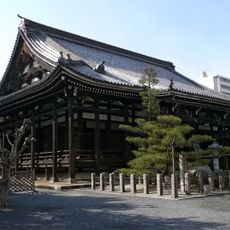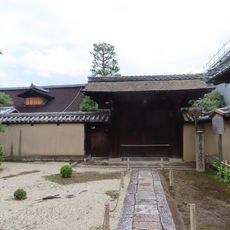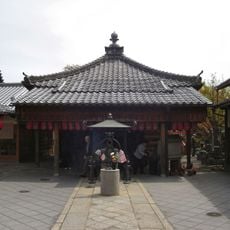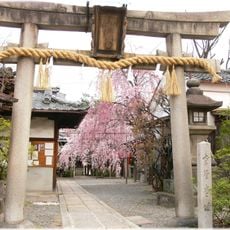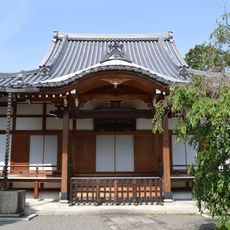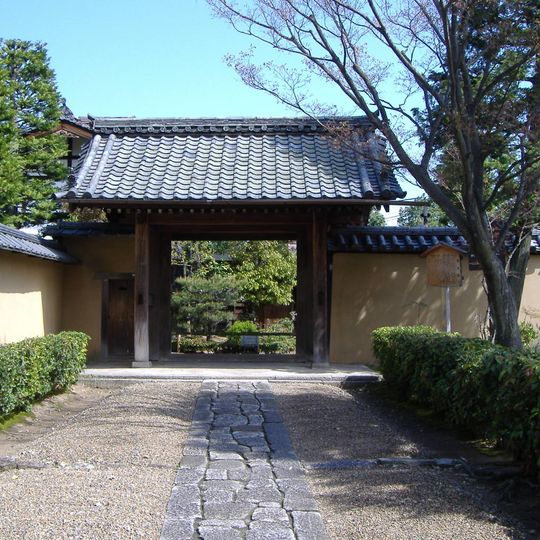
Jukō-in, Buddhist temple at Daitoku-ji complex in Kita-ku, Japan
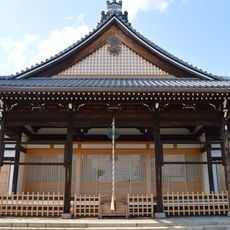
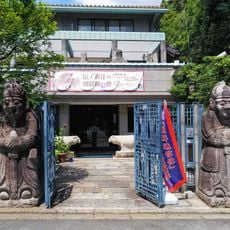
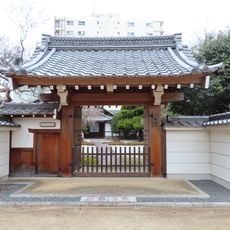
Jukō-in is a temple within the Daitoku-ji complex, distinguished by painted wall panels created by Kano School artists that decorate its interior spaces. The 42 panels depict birds, flowers, and landscapes from the Momoyama period and occupy the main halls and connected rooms.
The temple was founded in 1566 by Miyoshi Yoshitsugu as a memorial to his father, with Shorei Sokin serving as its first priest. This act of patronage established the foundation for the temple's long role in the tea ceremony schools.
This temple serves as the family temple for the three branches of the Senke schools of tea ceremony, and visitors can sense how these traditions remain deeply rooted here. The space reflects the importance these schools place on continuity and connection across generations.
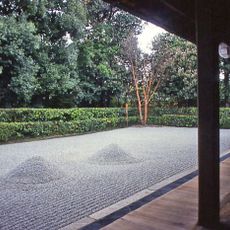
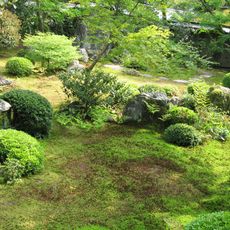
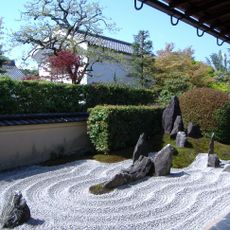
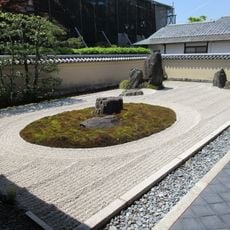
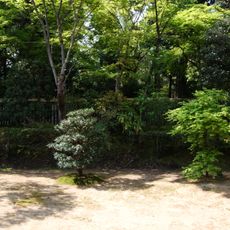
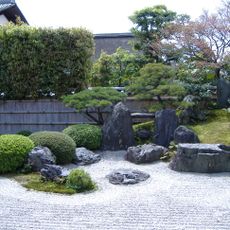
The temple maintains restricted public access, but visitors can arrange special viewings of the main hall, tea rooms, and gardens by making advance reservations. Planning ahead ensures you can experience the interior spaces and grounds.
The tea rooms Masutoko-seki and Kanin-seki are designated as Important Cultural Properties and display different architectural features that reflect distinct periods in tea ceremony tradition. They reveal how the art of tea evolved through different design approaches.
The community of curious travelers
AroundUs brings together thousands of curated places, local tips, and hidden gems, enriched daily by 91,587 contributors worldwide.