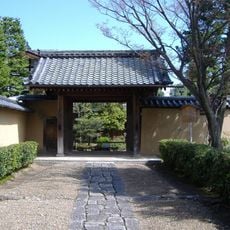
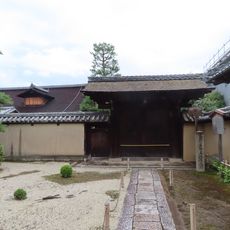
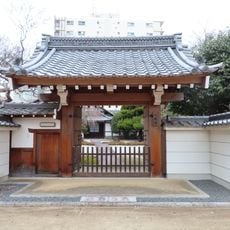
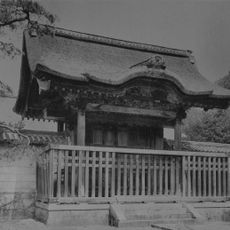
Gyokurin-in, Zen Buddhist temple in Daitoku-ji complex, Kyoto, Japan
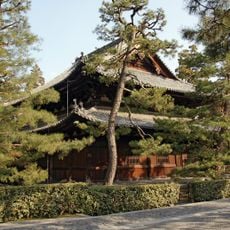
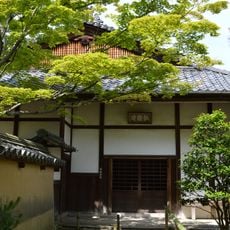
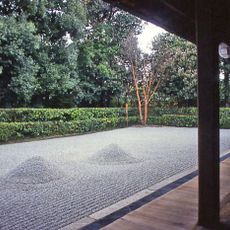
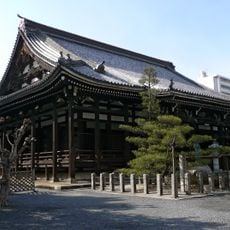
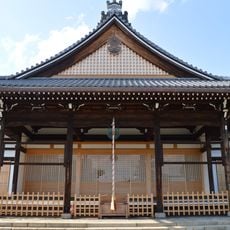
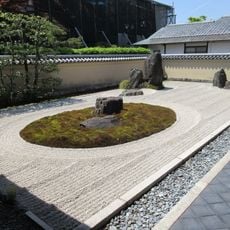
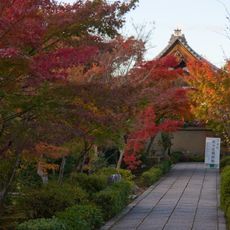
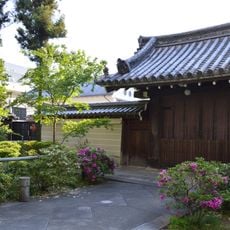
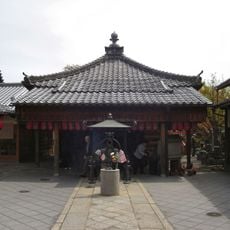
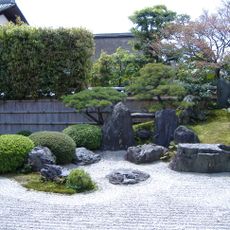
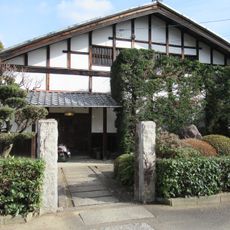
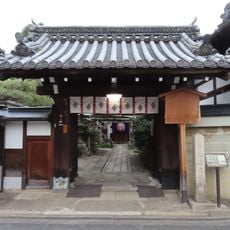
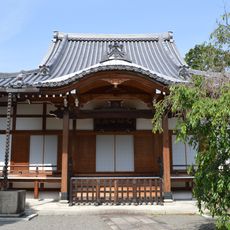
Gyokurin-in is a tatchū of the Rinzai Zen monastery Daitoku-ji in Murasakino, Kita-ku, Kyoto. Its main hall, built in 1621, is a single-storey irimoya-zukuri structure with tiled roof and the largest among Daitoku-ji's tatchū main halls. Inside, 70 ink paintings by Kanō Tan'yū and other Kanō-school painters cover the sliding doors. The grounds also hold the Nanmei-an chapel and the tea rooms Saan and Kasumidoko-seki.
The temple was established in 1603 during a period of expansion for the larger Daitoku-ji complex. This founding coincided with an era when Zen practice and artistic traditions were flourishing in Kyoto.
The temple's name comes from splitting the character "琳" of its founder, the physician Manase Shōrin, from the original name Shōrin-an. The Hondō holds 70 ink paintings on its sliding panels by Kanō Tan'yū and other Kanō-school painters. The Namyō-an houses the memorial tablet of the warrior Yamanaka Shikanosuke, built in 1742 by the Ōsaka merchant Kōnoike Ryōei, who claimed descent from him.
Gyokurin-in is normally not open to the public, so it cannot be visited like the subtemples of Daitoku-ji that regularly admit guests; confirm current access before planning a stop. To reach the area, take a Kyoto city bus from JR Kyoto Station to the Daitoku-ji-mae stop, about 30 minutes, then walk.
The temple is normally closed to the public, so its 1621 main hall, the largest among Daitoku-ji's sub-temples, is rarely seen. Inside, 70 ink paintings by Kano Tan'yu and other Kano-school painters cover the sliding doors. The hall, its entrance, the Namyō-an and two tea rooms are Important Cultural Properties.
The community of curious travelers
AroundUs brings together thousands of curated places, local tips, and hidden gems, enriched daily by 93,465 contributors worldwide.