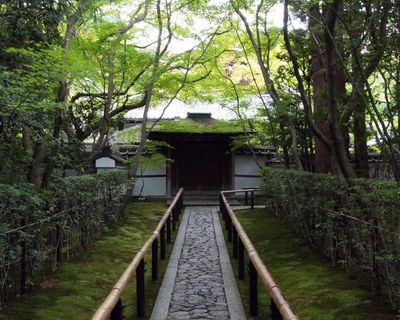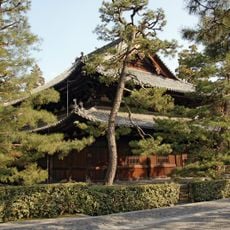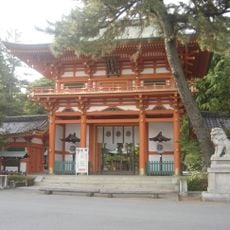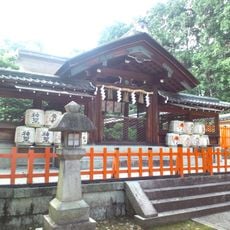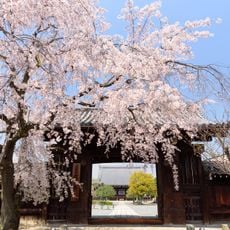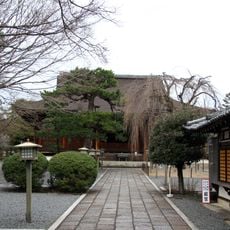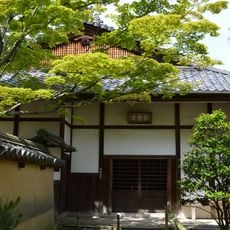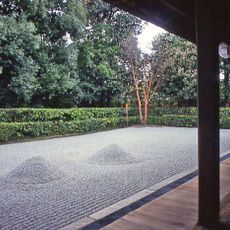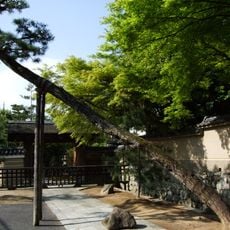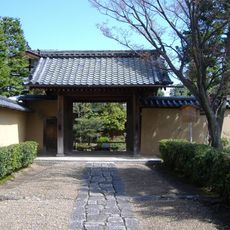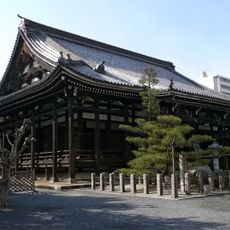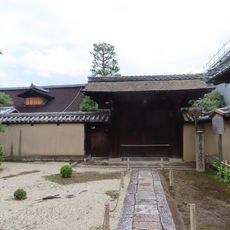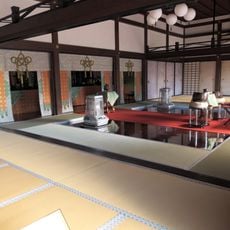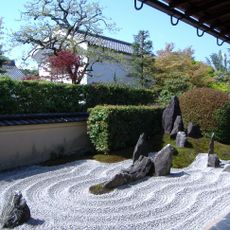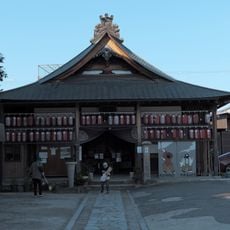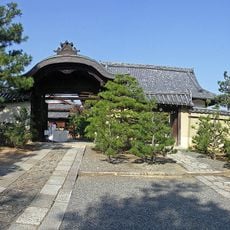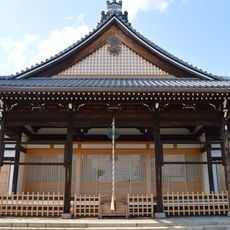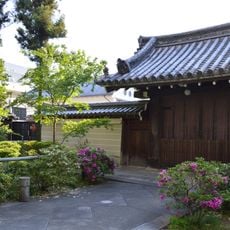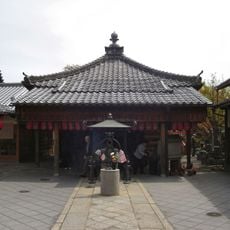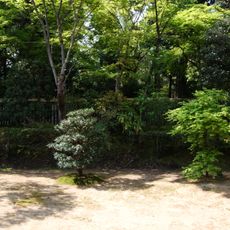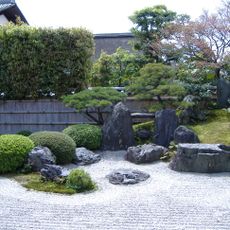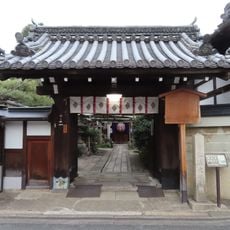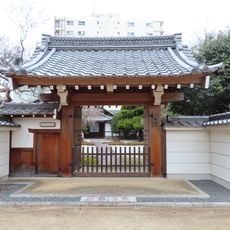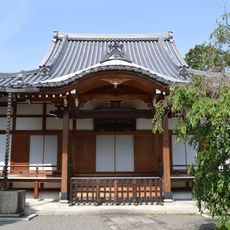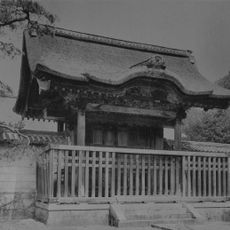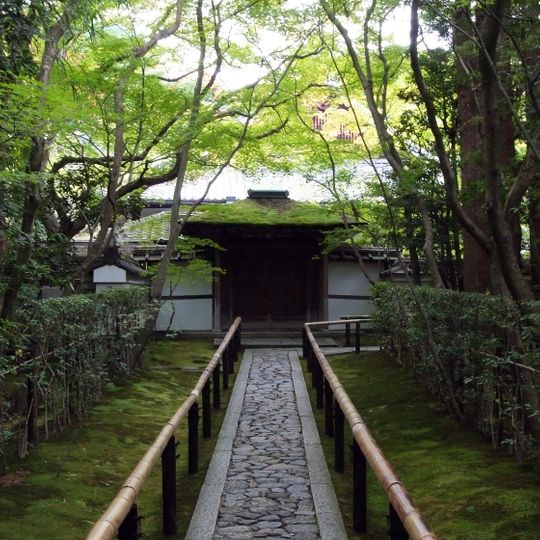
Kōtō-in, Buddhist subtemple in Kita-ku, Japan.
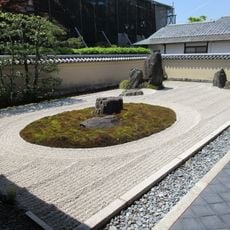
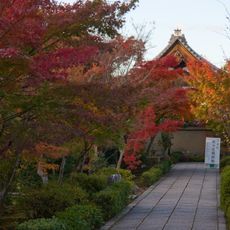
Kōtō-in is a subtemple of the larger Daitoku-ji complex in Kyoto, known for its carefully designed gardens that follow Zen principles. The grounds feature ornamental stone lanterns, koi ponds, moss-covered paths, and maple trees that create a serene garden space.
The temple was founded in 1602 during Japan's transition toward a more stable political system under the Edo shogunate. Its founder, Hosokawa Tadaoki, was a respected military leader who shaped the character of this place.
The temple holds deep meaning for those who recognize its connection to kabuki theater through its notable resident, linking the sacred grounds with performing arts. Visitors walking through the gardens can sense this cultural bridge between spiritual practice and Japan's theatrical traditions.
The site is easiest to reach from Kitaoji Station by taking city buses that go directly to the Daitokuji-mae Bus Stop. A visit requires no advance booking or special travel arrangements.
The temple grounds hold the graves of both its military founder and Izumo no Okuni, who created kabuki theater. This unexpected pairing links the world of samurai and warfare with the birth of Japan's most famous theatrical form.
The community of curious travelers
AroundUs brings together thousands of curated places, local tips, and hidden gems, enriched daily by 60,000 contributors worldwide.