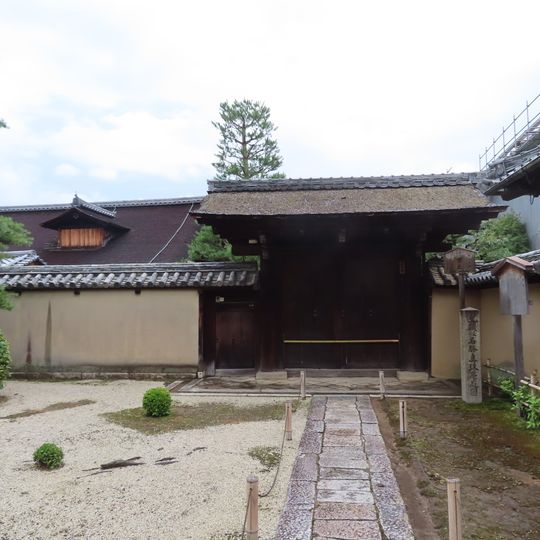
Shinju-an, Buddhist temple in Kita-ku, Kyoto, Japan
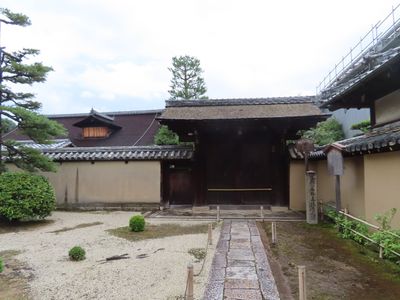
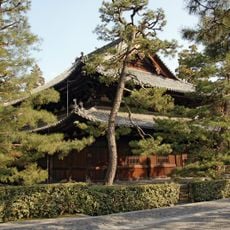
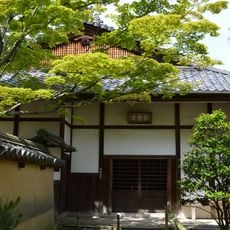
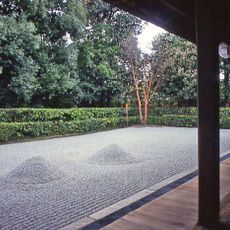
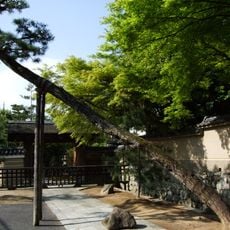
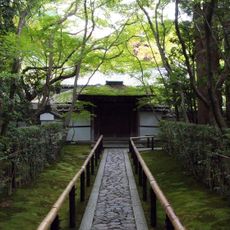
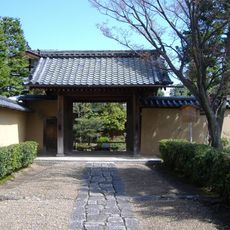
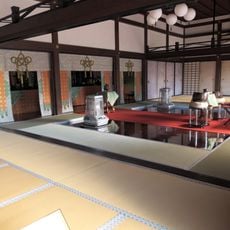
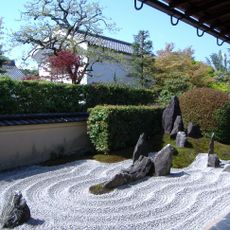
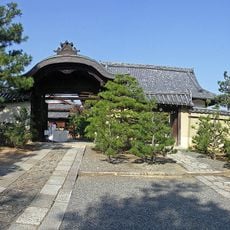
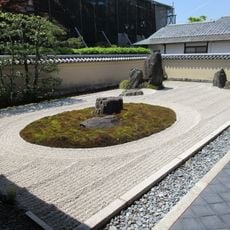
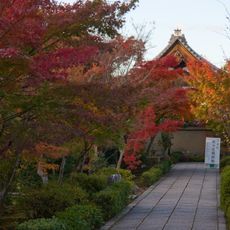
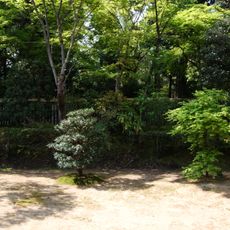
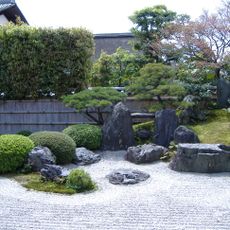
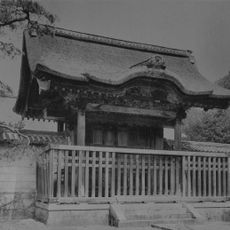
Shinju-an is a Zen temple within the Daitoku-ji complex in Kyoto featuring traditional Japanese architecture, tatami rooms, sliding doors, and landscaped gardens. The grounds include several chambers, notably the Hojo room with important artworks and a quiet courtyard with gravel areas and planted spaces.
The temple was founded in the early 16th century and received financial support from Sakai merchant Sorin Owa for reconstruction following the Onin War. This patronage enabled the restoration and development of the grounds during Kyoto's period of rebuilding.
The Hojo chamber displays wall paintings by artists such as Soga Dasoku and Hasegawa Tohaku, reflecting the artistic traditions of Japanese Zen. These works show how closely meditation and visual art were connected within this temple tradition.
The temple is only accessible by advance reservation, so planning ahead is necessary. The Kyoto City Bus from Kyoto Station to Daitoku-ji mae stop provides convenient access, from which the temple is a short walk away.
The temple's name comes from a moment when snow fell on the floor of a ruined temple and reflected moonlight like pearls. This poetic story links natural beauty with the contemplation that visitors can still experience in this place today.
The community of curious travelers
AroundUs brings together thousands of curated places, local tips, and hidden gems, enriched daily by 60,000 contributors worldwide.