Hōrin-ji, Buddhist temple in Kamigyō-ku, Japan
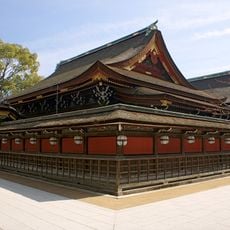
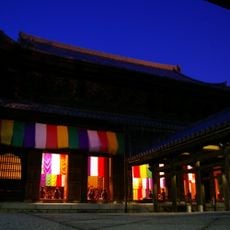
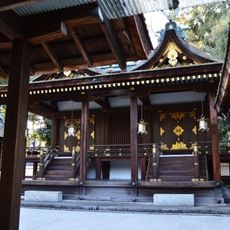
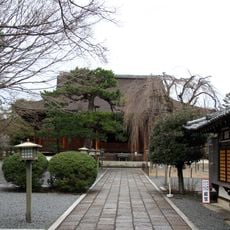
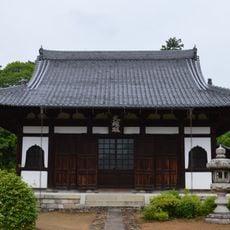
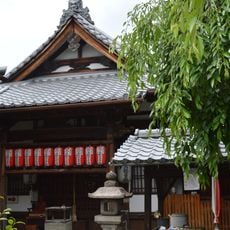
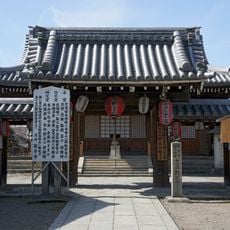
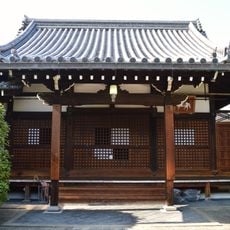
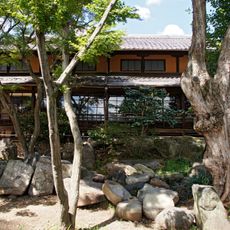
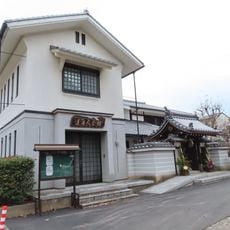
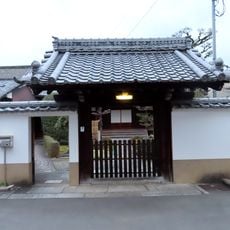
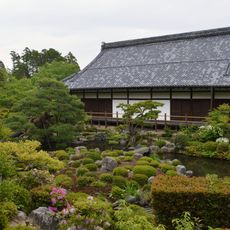
Hōrin-ji is a Rinzai Zen temple of the Myōshin-ji school in Kamigyō-ku, Kyoto, standing just east of the Kamiya River. Its main hall, the Hōjō, is a single-story irimoya-roofed building with tiled roof erected in 1718. The temple is commonly known as Daruma-dera, and its precincts include the Okiagari Daruma-dō, a hall built in 1945 that houses about 8,000 daruma dolls.
Founded in 1727 as Sanzō-in Hōrin-zen-ji by the money changer Araki Mitsushina Sōtei, with Daigu Sōchiku as invited founding abbot and Man'kai Jigen as effective founder; construction took nine years. Unusual among Myōshin-ji temples for having a merchant rather than a samurai founder, it endured three major fires over 260 years. In 1933 the tenth abbot, Gotō Izen, built the Great Shoin, and in 1945 he established the Okiagari Daruma Hall.
The temple is commonly known as Daruma-dera. Its Daruma Hall, formally Okiagari Daruma-do, was built in 1945 by the tenth abbot Goto Izen to pray for Japan's postwar recovery. It enshrines some 8,000 daruma dolls offered for wishes, plus a large okiagari daruma said to be unmatched in the three countries. The Setsubun festival draws many worshippers.
Hōrin-ji stands just east of the Kamiya River. From JR Enmachi Station on the Sanin Main Line it is a 5-minute walk, and the Nishinokyo Enmachi city bus stop is also 5 minutes away. From Hankyu Saiin Station the walk takes about 15 minutes.
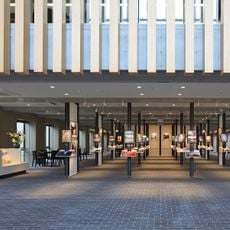
A special section called the Kinema Hall within the temple grounds honors members of the Japanese film industry. This connection between religious tradition and cinema history makes it an unexpected place to find such a modern cultural dedication.
The community of curious travelers
AroundUs brings together thousands of curated places, local tips, and hidden gems, enriched daily by 93,463 contributors worldwide.