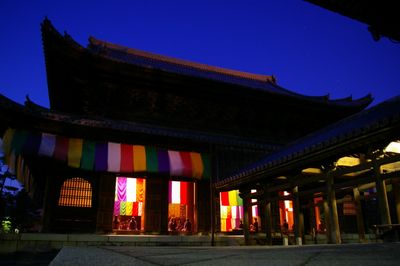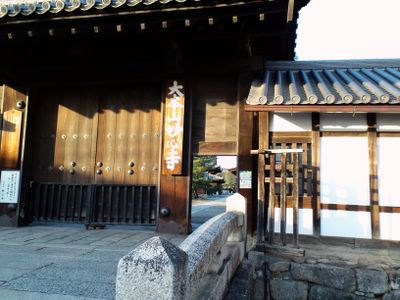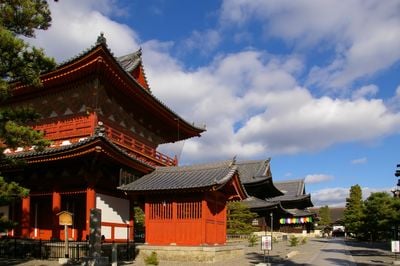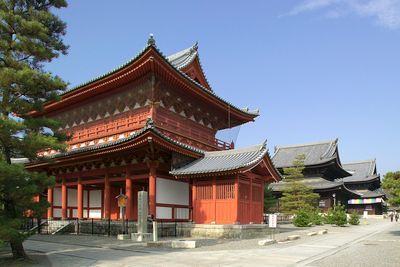
Myōshin-ji, Buddhist temple complex in Hanazono, Kyoto, Japan
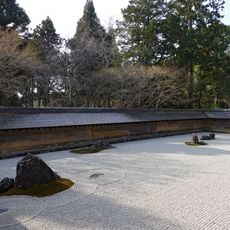
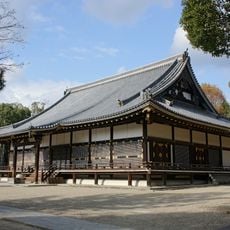
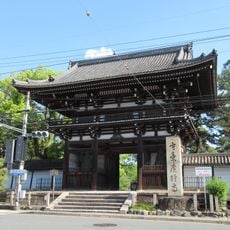
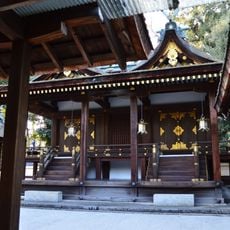
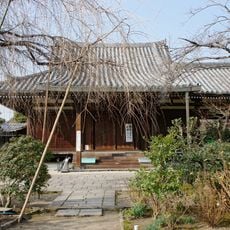
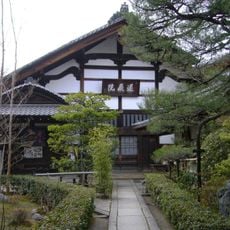
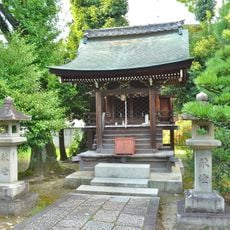
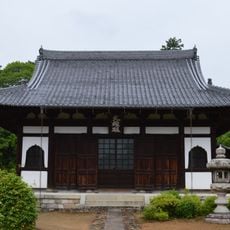
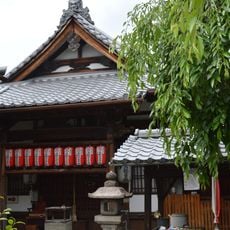
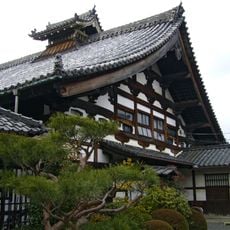
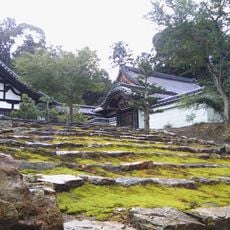
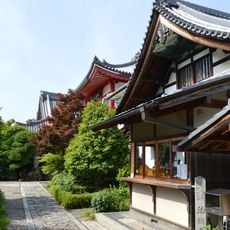
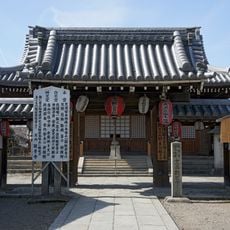
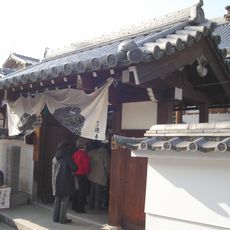
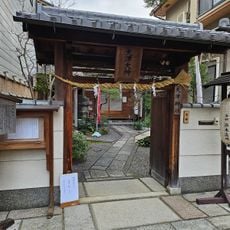
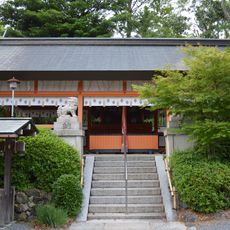
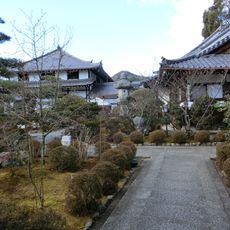
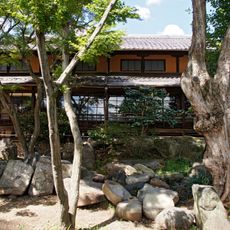
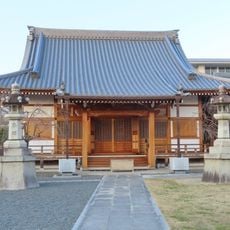
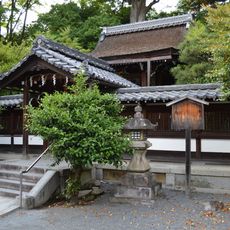
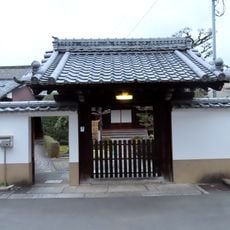
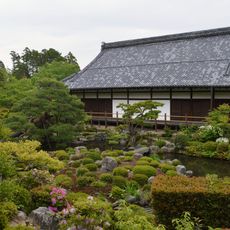
Myōshin-ji is a Buddhist temple compound in the Hanazono district of northwestern Kyoto, consisting of forty-six subtemples. The grounds cover a large area where paths paved with stone slabs link different temples and tall walls surround the entire site.
Emperor Hanazono donated his residence in 1337 to the monk Kanzan Egen, who converted it into a temple of the Rinzai Zen school. Over the centuries, the site grew into one of the largest monastic complexes of this tradition in Japan.
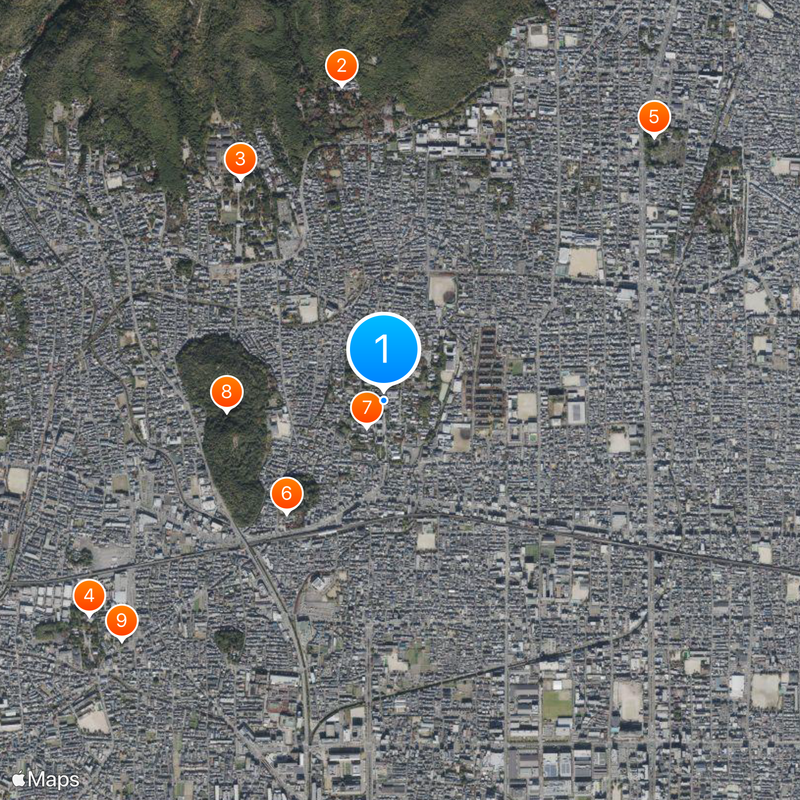
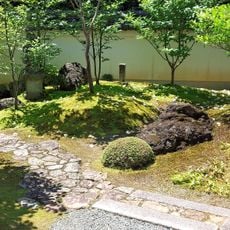
The temple name connects to the Rinzai Zen lineage, and the overall complex serves as a training ground for monks who focus on zazen and other meditative practices. Visitors observe gardens with simple stone arrangements and experience the restraint of monastic architecture.
Only three of the smaller temples (Taizo-in, Daishin-in, Keishun-in) are freely accessible to visitors, while entry to the main hall is organized through guided tours. Comfortable footwear is recommended, as the grounds cover a large area and involve walking along many paths.
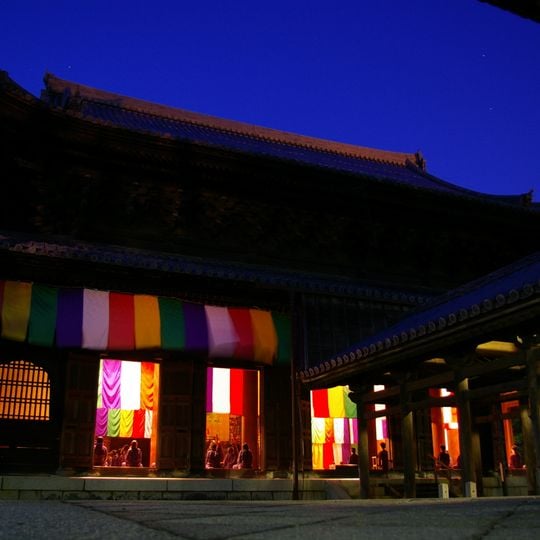
The Dharma Hall houses a ceiling painting of a dragon created by artist Kanō Tan'yū in the 17th century. The dragon's lines shift in appearance depending on where the viewer stands in the room.
The community of curious travelers
AroundUs brings together thousands of curated places, local tips, and hidden gems, enriched daily by 91,370 contributors worldwide.