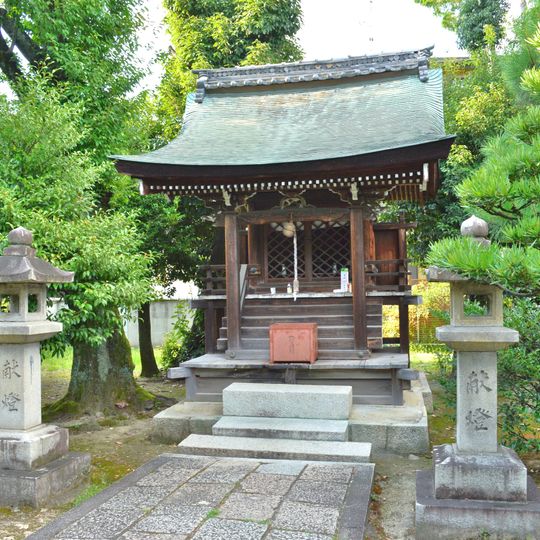
Osake-jinja, A Shinto shrine in Kyoto, Kyoto Prefecture.
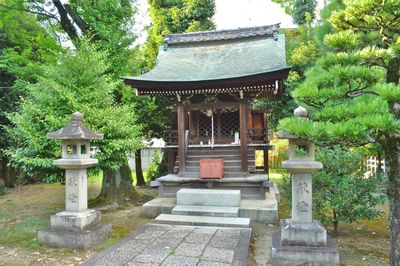
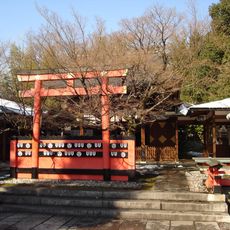
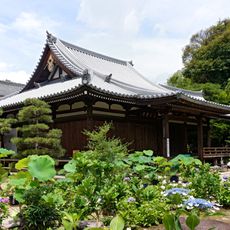
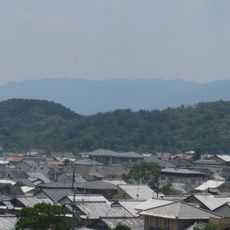
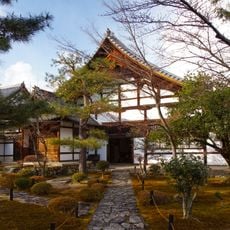
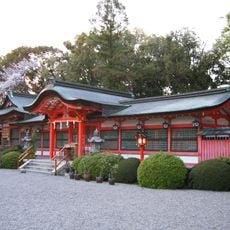
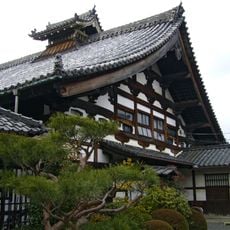
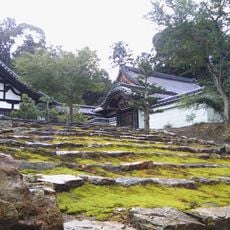
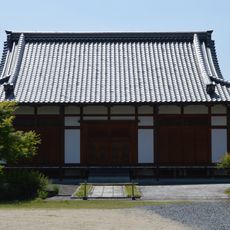
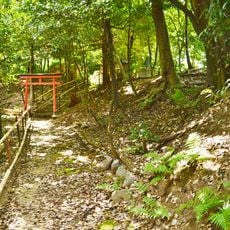
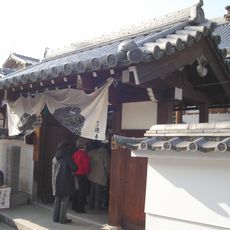
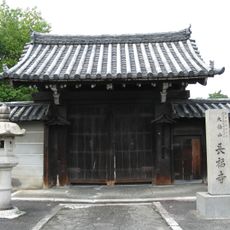
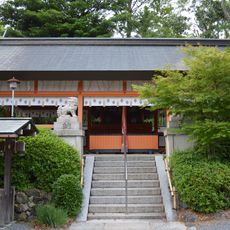
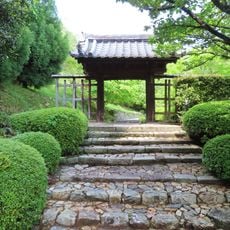
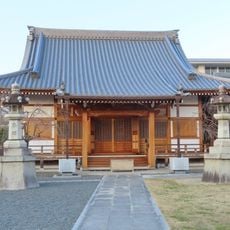
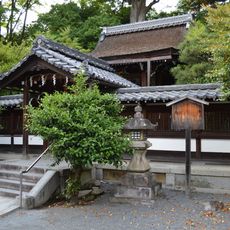
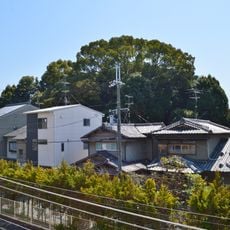
Osake-jinja is a small wooden shrine located at the junction of the Yanogawa and Ogogawa rivers in a rural area. The modest structure with a traditional roof sits among trees and greenery, with small offerings at its altar showing the community's ongoing devotion.
The shrine was established by the Terada family, who from the early 1300s served as local land managers organizing religious ceremonies. Later, new rulers including Toji temple took over its management, yet the shrine remained a steady symbol of continuity and community identity.
The shrine serves as a gathering place where local villagers maintain their connection to the land and community through seasonal rituals and festivals that have continued across generations. People offer rice, sake, and small tokens as signs of devotion, keeping alive a spiritual tradition that binds them to their ancestors and the place itself.
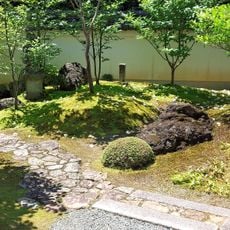
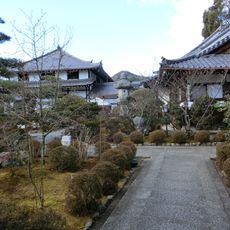
The shrine is free to visit and open daily from morning until early evening, making it accessible for casual stops during local exploration. Walking paths around the grounds are easy to navigate, and the natural surroundings provide a calm setting for reflection and prayer.
The shrine is intertwined with local power struggles, with records from the 1300s showing how rival clans wielded control over its religious management. This hidden history reveals how spiritual places often became focal points of local politics and land authority dynamics.
The community of curious travelers
AroundUs brings together thousands of curated places, local tips, and hidden gems, enriched daily by 60,000 contributors worldwide.