Henjō-ji, Buddhist temple in Sagano, Japan.
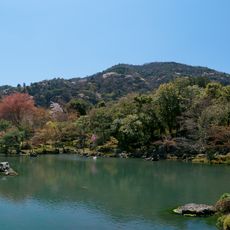
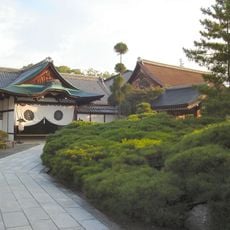
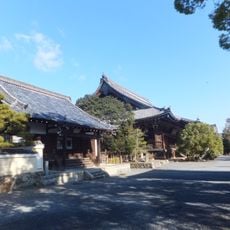
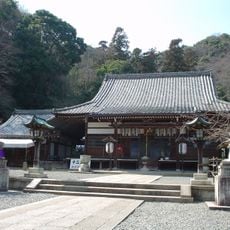
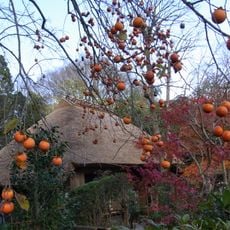
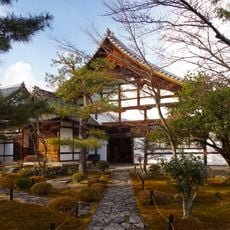
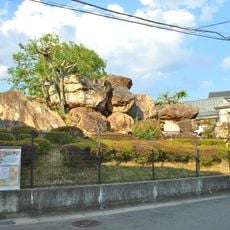
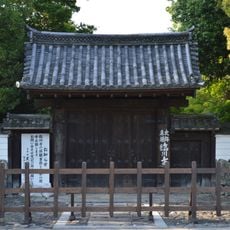
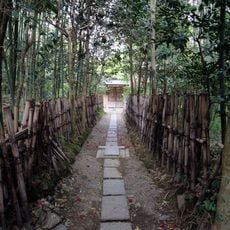
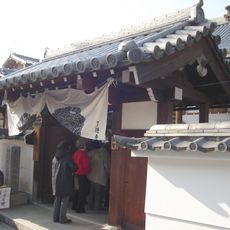
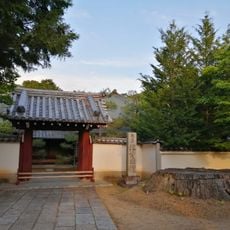
Henjō-ji is a Shingon temple of the Omuro school in Sagano, Ukyō-ku, Kyoto, at the foot of Henjō-ji-yama near Hirosawa Pond. Its main hall, bell tower, ten-story stone pagoda, storehouse, goma hall, guest hall and kuri are arranged on the slope, with the Kondō and other buildings rebuilt in 1997.
Founded in 989 by the monk Kanjō, a grandson of Emperor Uda, on the shore of Osawa Pond at the wish of Emperor Kazan (or Emperor En'yū), the temple became the birthplace of the Shingon Hirosawa school. It declined after Kanjō's death, was revived by Emperor Go-Uda in the Kamakura period, and was laid waste during the Ōnin War. In 1830 the monk Shunjō moved the surviving Akafudō Myōō and Eleven-faced Kannon to the present site and rebuilt the temple.
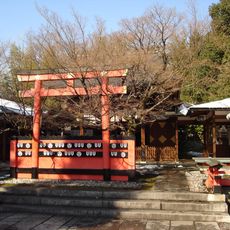
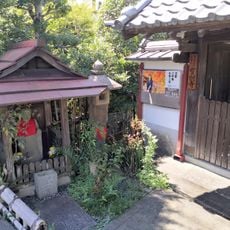
The temple marks the birthplace of the Hirosawa branch of Shingon Buddhism, founded here by the monk Kanjō, grandson of Emperor Uda and founder of Naritasan Shinshō-ji. The name Hirosawa comes from the pond beside the original site, and a small shrine, the Chigo Jinja, still stands on the pond shore.
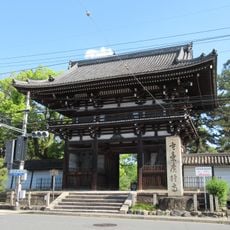
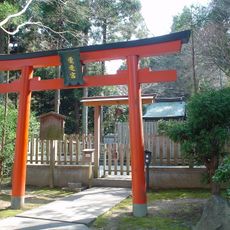
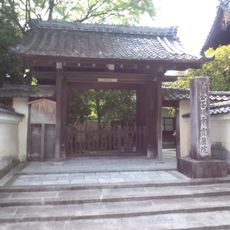
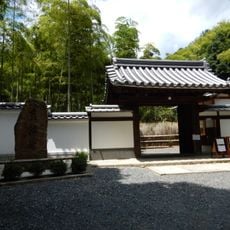
The temple stands at 14 Saga Hirosawa Nishiuramachi, about a 23-minute walk from Saga-Arashiyama Station on the JR San'in Line. The grounds hold the main hall, a ten-tier stone pagoda, a storehouse, a goma hall, a guest hall and abbot's quarters rebuilt in 1997, plus a tutelary shrine and a mountain gate.
The main image is an Eleven-faced Kannon from the Heian period, attributed by tradition to the sculptor Kōshō; the temple also keeps a wooden Fudō Myōō seated figure of the same era, likewise linked to Kōshō. Both are designated Important Cultural Properties. The Kannon and the red Fudō survived the temple's destruction in the Ōnin War and were moved to the present site in 1830.
The community of curious travelers
AroundUs brings together thousands of curated places, local tips, and hidden gems, enriched daily by 94,519 contributors worldwide.