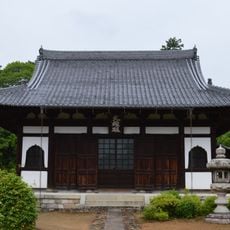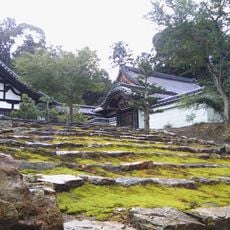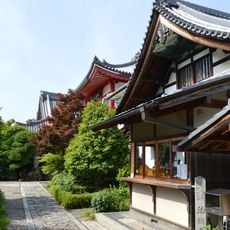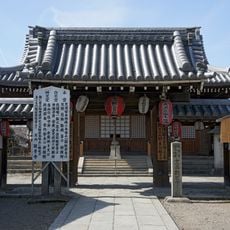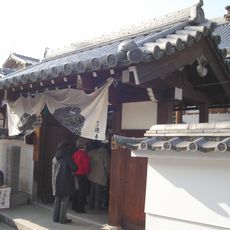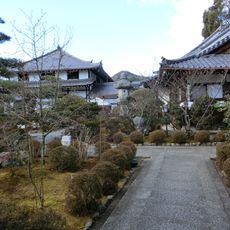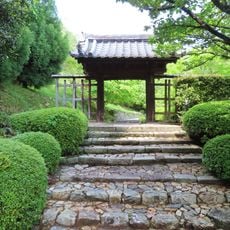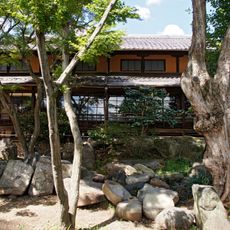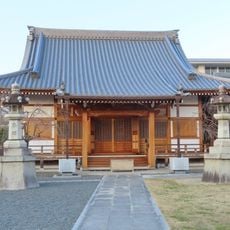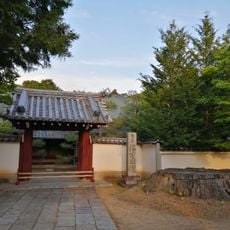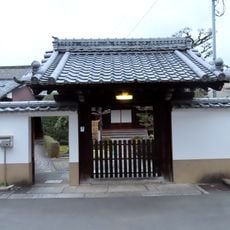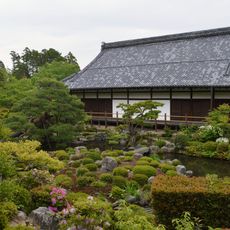
Shunkō-in, Zen Buddhist temple in Ukyō-ku, Kyoto, Japan
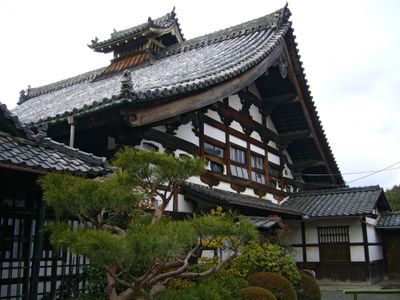
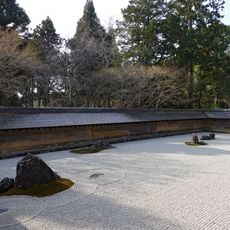
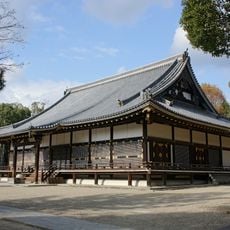
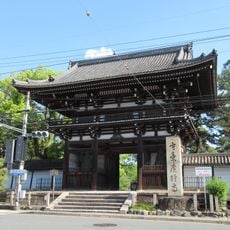
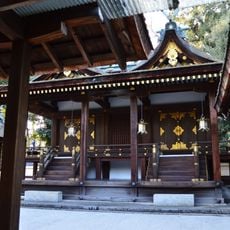
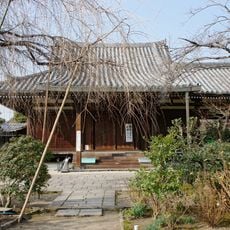
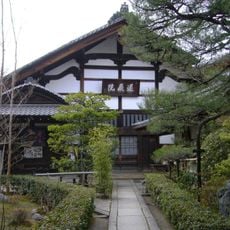
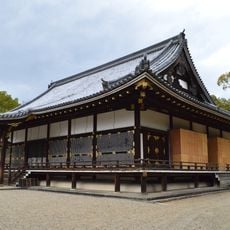
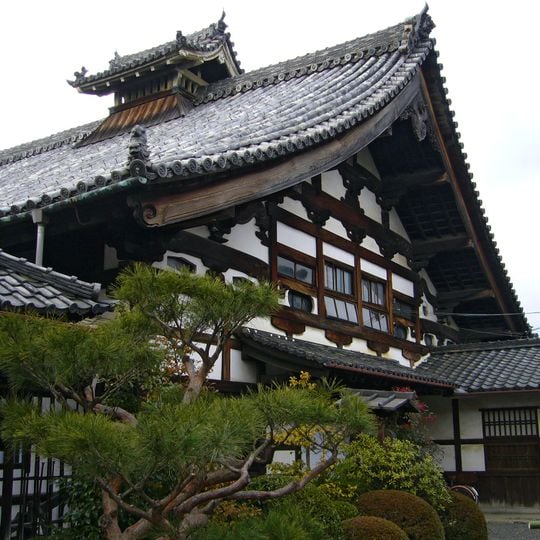
Shunkō-in is a Zen temple within the Myōshin-ji complex that combines traditional Japanese architecture with sliding doors, tatami-matted rooms, and gardens built on Zen design principles. The space includes several structures and rooms that together create the characteristic appearance of a historic Zen temple.
The temple was founded in 1590 by Horio Yoshiharu, a feudal lord from Matsue, as his personal temple within the complex. A Portuguese bell from 1577, once housed in a former church, was later placed here as a significant object.
The temple displays painted sliding door panels from the Edo period that reflect Confucian ideas, which remain visible throughout the rooms today. These decorations form an important part of how the space looks and tell the story of artistic tradition maintained here.
Visitors can join meditation sessions and workshops on Zen Buddhism offered in multiple languages throughout the year. Guided tours help navigate the temple grounds and provide explanations of the different areas and their purposes.
The temple became known for performing ceremonies that transcend traditional religious boundaries, demonstrating a contemporary approach within established Zen Buddhist practices. This openness has made it a notable place where old and new perspectives coexist.
The community of curious travelers
AroundUs brings together thousands of curated places, local tips, and hidden gems, enriched daily by 91,549 contributors worldwide.