Tenpakubara, Diluvial upland in Toyohashi, Japan
Tenpakubara is an elevated terrain in Toyohashi formed by ancient sedimentary deposits and geological processes over extended periods. The landform displays visible layers of sediment that reveal how water and weathering shaped the landscape.
The plateau emerged through millions of years of geological change as tectonic activity and erosion shaped the terrain. The sediment layers record different climate phases and sea level shifts from Earth's history.
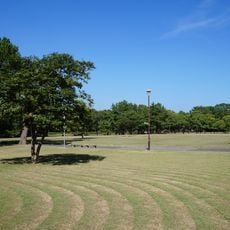
The upland holds meaning for local communities as a visible reminder of how terrain shapes where and how settlements develop in the region. Visitors walking through can observe how the elevated ground relates to the villages and farmland below.
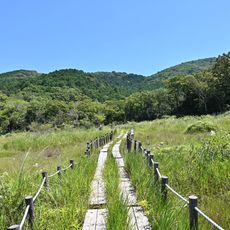
The site is best explored on foot with good viewpoints from the highest points of the plateau. Wearing sturdy shoes is recommended as certain paths can become slippery after rain.
The sediment layers contain traces of water flow patterns from thousands of years ago that carved visible channels into the ground. These ancient water pathways remain visible in the soil structure and offer clues about past environmental conditions.
The community of curious travelers
AroundUs brings together thousands of curated places, local tips, and hidden gems, enriched daily by 60,000 contributors worldwide.