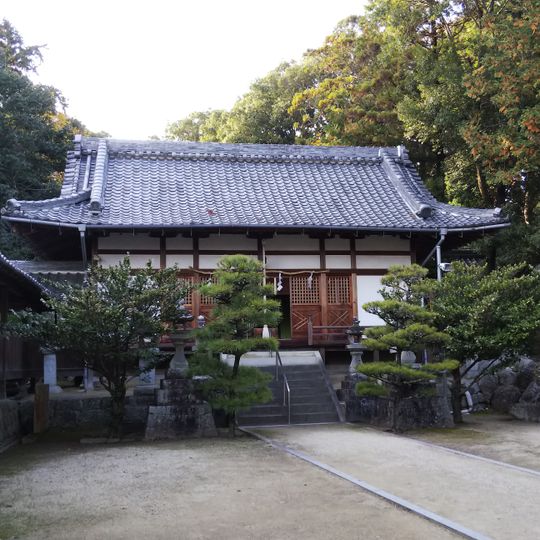
Kamoyamguchi-jinja, Shinto shrine in Japan
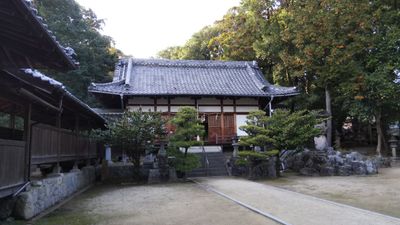
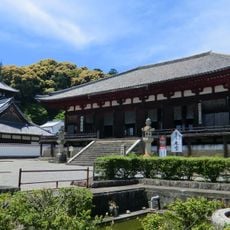
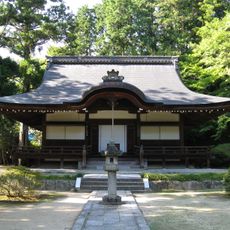
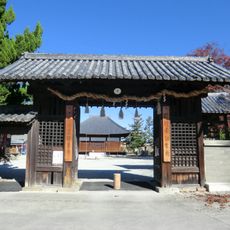
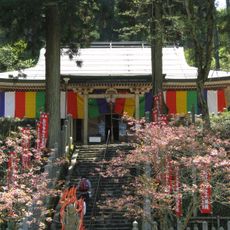
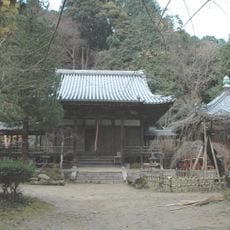
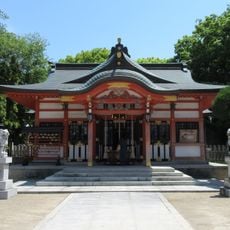
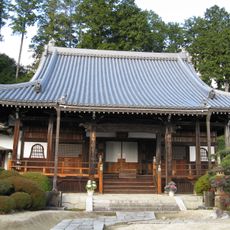
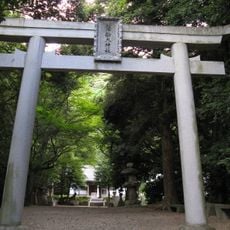
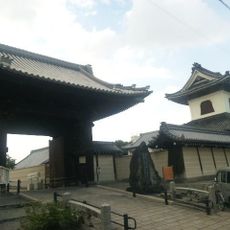
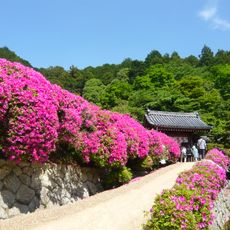
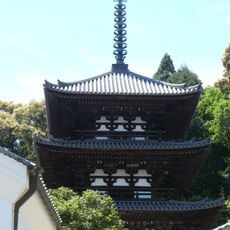
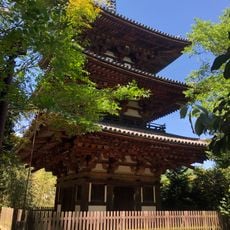
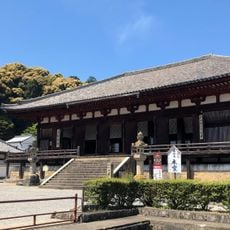
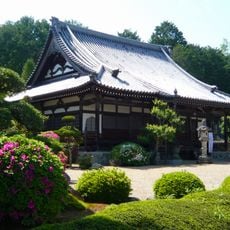
Kamoyamguchi-jinja is an ancient Shinto shrine in Gose with structures built in early Heian period style over a thousand years ago. The grounds feature traditional wooden buildings, maintained gardens, small streams, and multiple shrine structures reached via carefully laid gravel paths.
The shrine was founded in 677 and became a protective sanctuary for Kyoto after the city became the capital in 794. Over centuries, emperors and warrior leaders visited to seek blessings and supported the site through regular rebuilding rituals.
The shrine's name and symbol feature a plant called aoi, a wild ginger with heart-shaped leaves that appears in the founding stories. This plant grows on the grounds and plays a role in the annual festival, where participants wear decorations made from aoi leaves and branches.
The site is easy to explore on foot and offers quiet corners throughout for reflection and rest. It is best to follow respectful customs such as removing shoes before the main hall and speaking softly throughout your visit.
One of the most unusual sights is the pair of large sand cones placed at the entrance of the main hall, known as Tatesuna, believed to represent a sacred mountain. These cones are used for purification purposes, similar to how salt is scattered in other Japanese traditions to ward off negativity.
The community of curious travelers
AroundUs brings together thousands of curated places, local tips, and hidden gems, enriched daily by 90,838 contributors worldwide.