Sakaki-jinja, Shinto shrine in Japan
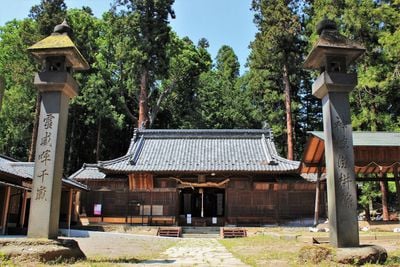
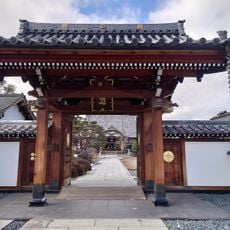
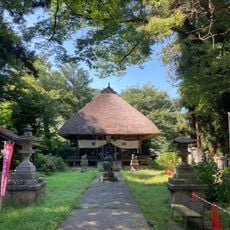
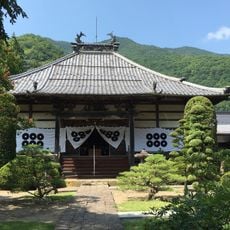
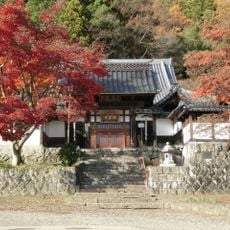
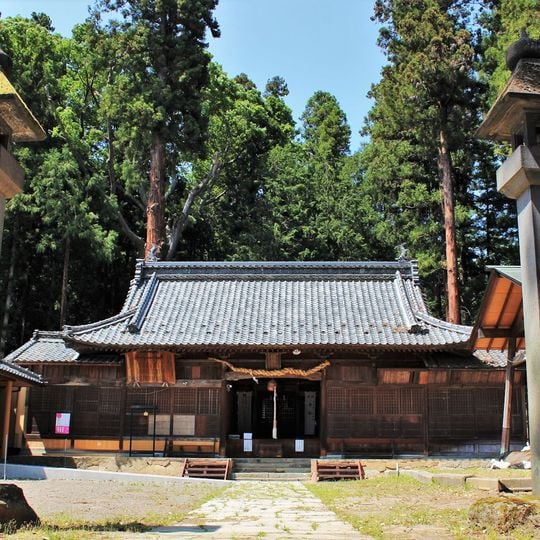
Sakaki-jinja is a Shinto shrine near Kuramae in Tokyo marked by a large red torii gate and set back from the street on peaceful grounds shaded by large ginkgo trees. The main hall was built in 1933 from reinforced concrete and contains several smaller shrines including an Inari shrine, with an old hand pump well that remains as part of the site's history.
The shrine was founded around 110 years ago during Emperor Keiko's reign and changed its name from Rokuten Tenjin Shrine to Sakaki Shrine in 1873, then relocated from Yanagibashi to Kuramae after the Great Kanto Earthquake in 1923. The main hall was destroyed during air raids in 1945 but was rebuilt and renovated in 1956, reflecting the city's recovery after wartime destruction.
The shrine's name comes from the sakaki tree, a plant with deep spiritual meaning in Shinto tradition that is believed to bridge the divine and human worlds. Sakaki leaves are used throughout rituals and appear on the grounds as offerings to honor the deities.
The shrine is an easy walk from Kuramae or Asakusabashi stations and has no parking lot, so public transportation is the best way to arrive. Visitors should know that traditional shrines are quiet places and basic rituals like washing hands and mouth before praying, bowing twice, and clapping twice are part of the visit.
The shrine serves as the main shrine for a lucky gods pilgrimage course across southern Tokyo where visitors can pray at multiple sites, and the autumn ginkgo foliage makes the location especially striking during certain seasons. Many travelers overlook this shrine due to its proximity to more famous sites like Asakusa, missing out on a quiet escape and connection to Tokyo's local spiritual history.
The community of curious travelers
AroundUs brings together thousands of curated places, local tips, and hidden gems, enriched daily by 91,512 contributors worldwide.