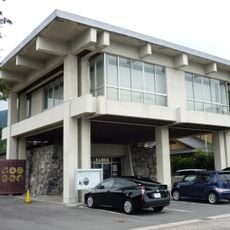
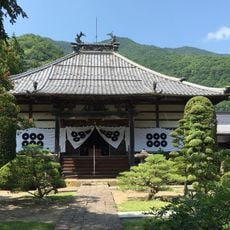
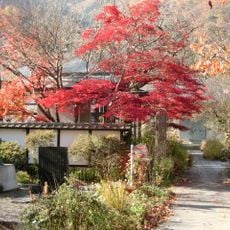
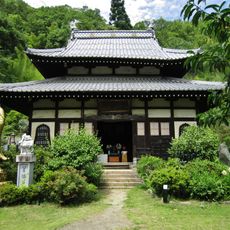
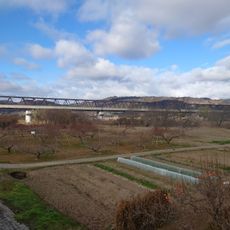
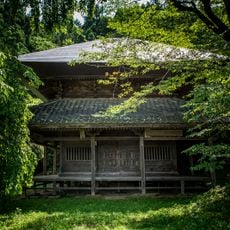
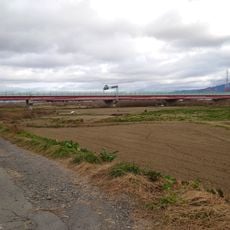
Mori-Shōgunzuka Museum, Chikuma City, Archaeological museum in Chikuma, Japan.
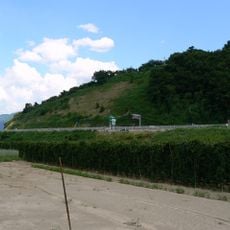
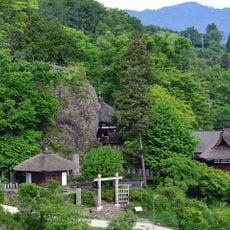
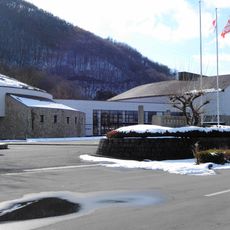
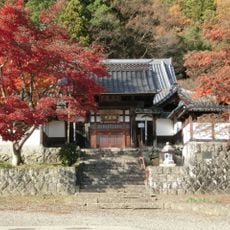
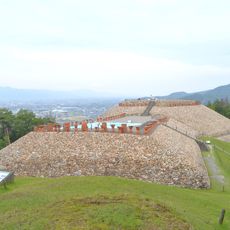
The Mori-Shōgunzuka Museum stands at the foot of Mount Ariake in Chikuma, near the keyhole-shaped Mori-Shōgunzuka Kofun. Its exhibits include a short armour from Kurashina-Shōgunzuka Kofun and a meandering sword, as well as a reconstruction of the largest vertical stone chamber floor in Japan, where a fragment of a triangular-rimmed mirror was found.
The Mori-Shōgunzuka Kofun was first reported to the Meiji government as "Shōgunzuka" by Yashiro village in 1883. It was designated a Nagano Prefecture historic site in 1965 and a national historic site in 1970, after over 90 percent of then-Shiojiri citizens signed a petition against gravel extraction. Preservation work from 1981 to 1991 included Japan's first full excavation of a kofun, and the mound was reconstructed with fukiishi stones and haniwa.
The exhibition halls display burial items, pottery fragments, and bronze mirrors that reveal the customs of local rulers during Japan's Kofun period. These objects offer direct insight into the daily life and burial practices of this early era.
The museum is located in Chikuma and is accessible by public transportation. Visitors can combine their visit with the adjacent Nagano Prefectural Museum of History to learn more about the region.
The museum structure provides both above-ground and underground viewing perspectives of the burial chamber interior, enabling examination of ancient construction techniques. Visitors can understand the building methods used by craftspeople of that era.
The community of curious travelers
AroundUs brings together thousands of curated places, local tips, and hidden gems, enriched daily by 94,249 contributors worldwide.