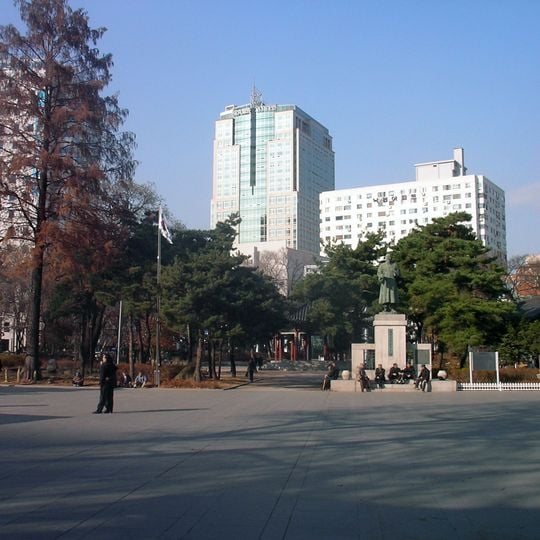
Tapgol Park, Historical park in Jongno District, Seoul, South Korea.
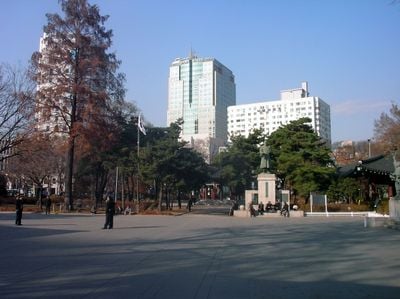
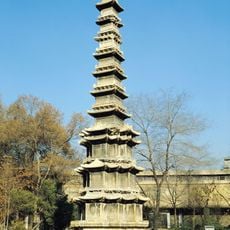
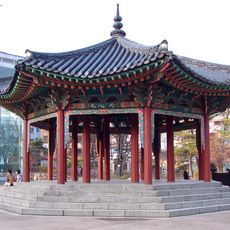
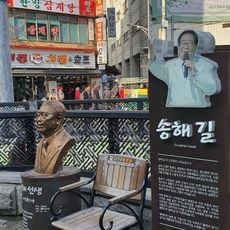
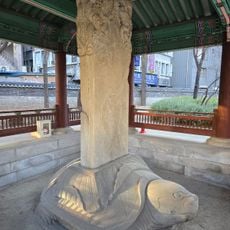
Tapgol Park is a historical site in Jongno District featuring a ten-story marble pagoda built in 1467, recognized as Korea's National Treasure Number 2. The grounds offer walking paths, monuments, and bas-relief statues of important Korean figures, as well as green spaces for strolling and resting.
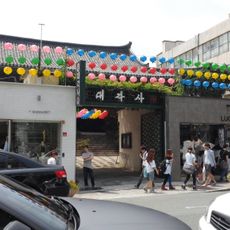
The grounds originally served as a Buddhist temple called Wongaksa from the 15th century, but were transformed into Seoul's first public park in 1897. This conversion marked a major shift from a sacred site to a public space for the city's population.
The park holds meaning for Korea's independence movement, as the Declaration of Independence was read here in 1919, marking a turning point in resistance against Japanese occupation. Visitors can walk through this historical location and connect with this important moment in Korean history.
The park is easy to reach on foot and offers level paths that are accessible to most visitors. Plan to spend several hours exploring all the monuments and pagoda at a leisurely pace while enjoying the quieter areas.
The Wongaksa Pagoda displays detailed marble carvings showing scenes from Buddha's life, dragon patterns, and lotus flowers across three main sections. These intricate carvings tell stories and reward close examination.
The community of curious travelers
AroundUs brings together thousands of curated places, local tips, and hidden gems, enriched daily by 90,803 contributors worldwide.