Warsaw Old Town, Medieval urban district in Warsaw, Poland
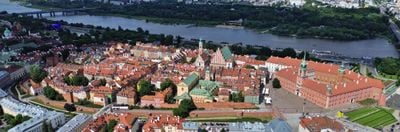
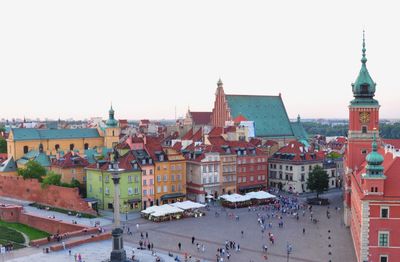
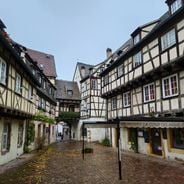
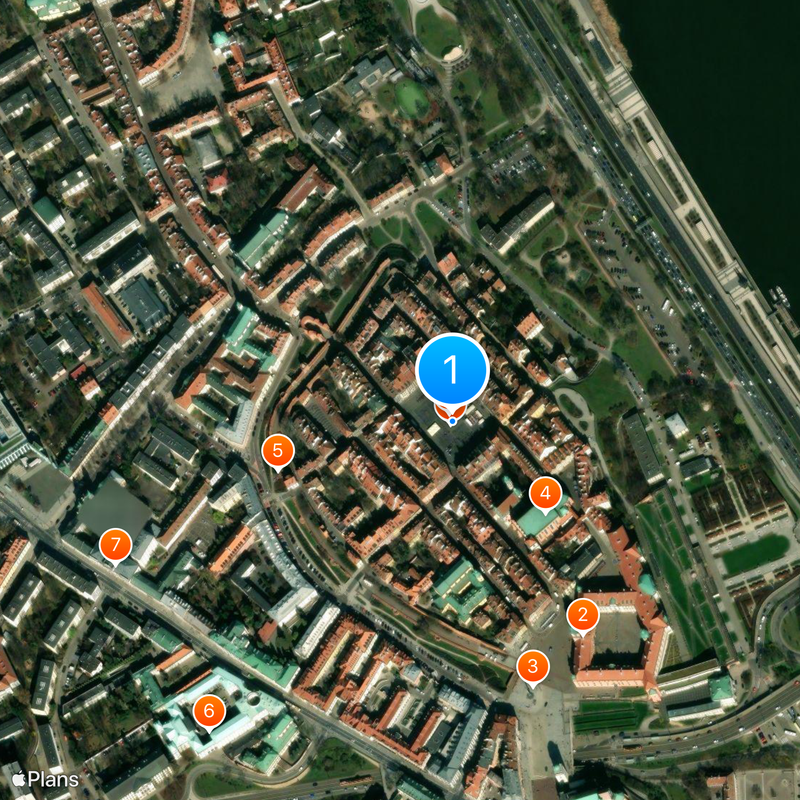
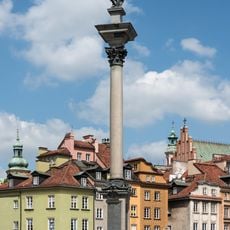
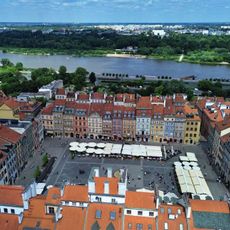
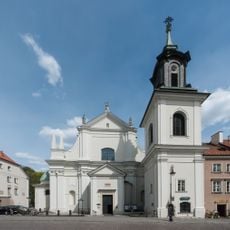
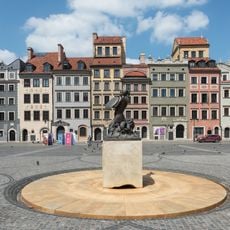
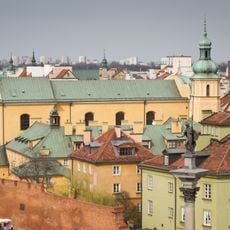
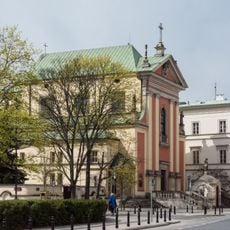
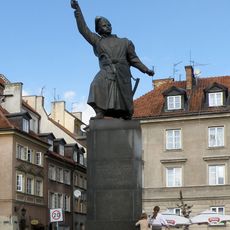
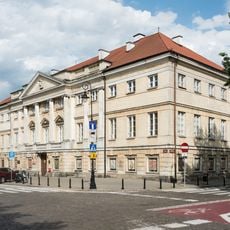
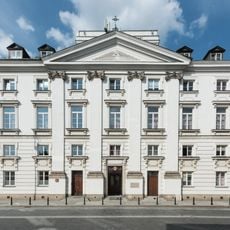
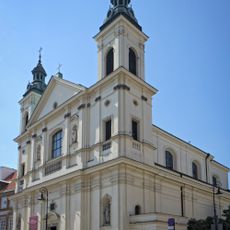
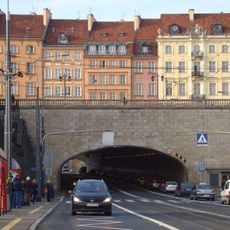
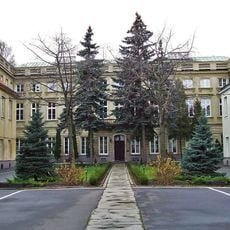
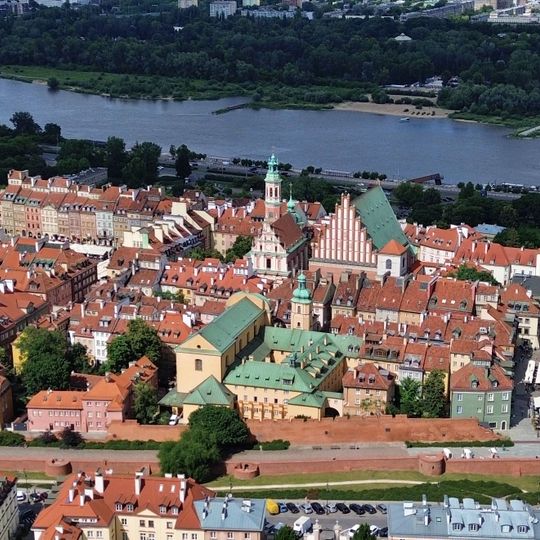
This medieval residential district features narrow cobbled lanes, tall townhouses, and a central market square. The facades display Renaissance forms with arched windows, dormer roofs, and stucco details, while small courtyards and gardens lie hidden between the buildings.
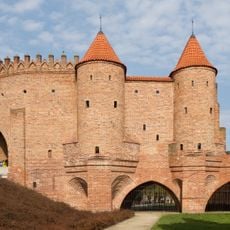
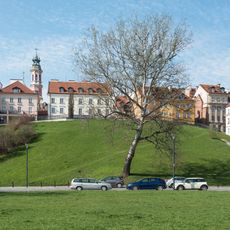
The district arose in the 13th century as a walled settlement by the Vistula River and received grand townhouses in the 16th century. Following destruction in World War II, reconstruction took place using preserved plans and materials salvaged from the rubble.
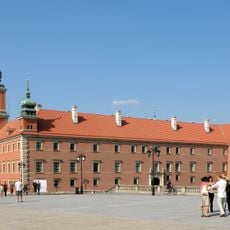
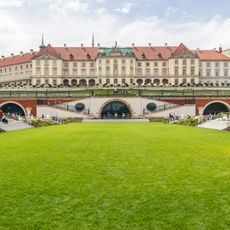
The Castle Square serves as a lively market space where musicians play folk songs and artists draw portraits against historic facades. Locals gather here after work or on weekends to sit in cafés under the arcades and watch the activity unfold.
The lanes are best explored on foot during morning or late afternoon when fewer visitors are around. Comfortable shoes are advisable because of uneven cobblestones, and most streets are difficult for wheelchairs and strollers.
The rebuilding work used original stones and bricks that residents sorted and collected from the ruins. City archives hold thousands of photographs and watercolors that residents created before the destruction and that served as templates for each facade.
The community of curious travelers
AroundUs brings together thousands of curated places, local tips, and hidden gems, enriched daily by 60,000 contributors worldwide.