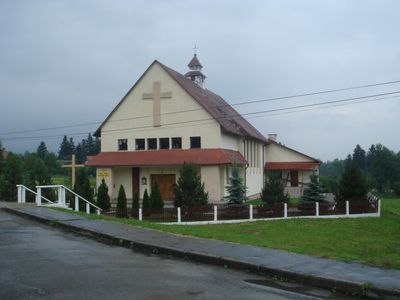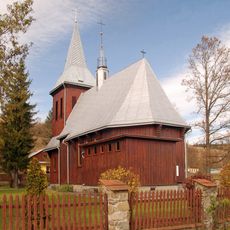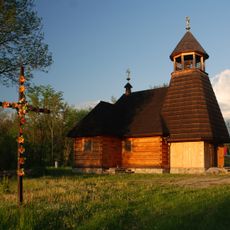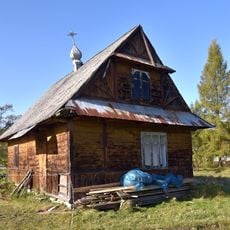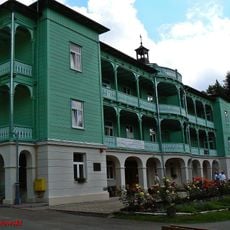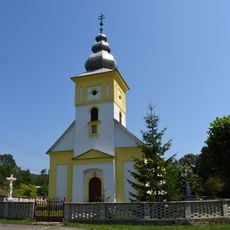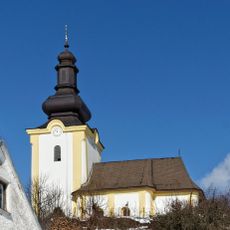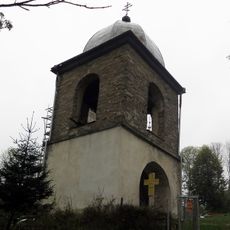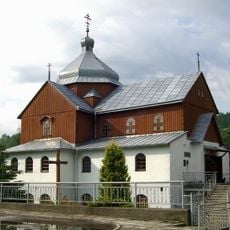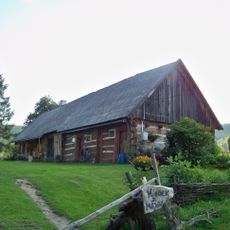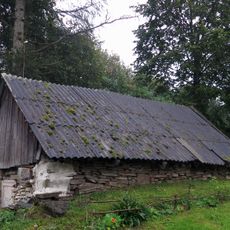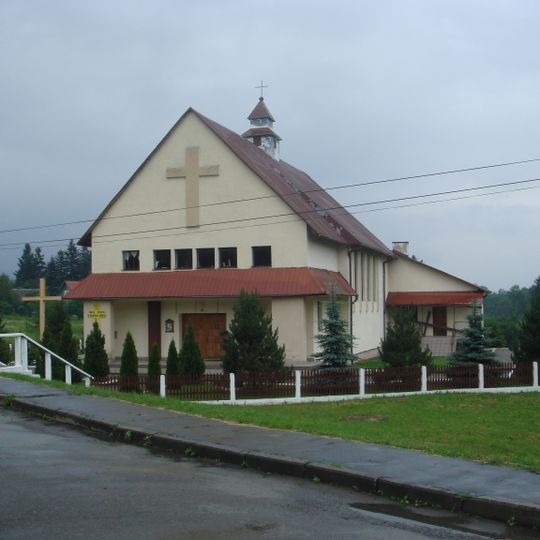
Nowy Łupków, Border village in Subcarpathian Voivodeship, Poland
Nowy Łupków is a settlement in south-eastern Poland near the Slovak border, situated in the Subcarpathian region. The village sits at around 580 meters elevation and is defined by an active railway connection that continues to function as a border crossing between the two countries.
The village was founded at the same time as a railway station was built in 1872, connecting Zagórz to territories controlled by Hungary in Slovakia. Later developments brought further rail connections that shaped the area's transport network.
The village gained recognition during the 1981-1982 Martial Law period when numerous Solidarity movement representatives were held in the local penal colony.
The settlement has a railway station that functions as a border crossing point with Slovakia, making it an important transport hub for the area. Visitors should note that the village lies in the Subcarpathian region, so weather and road conditions vary with the season.
Between 1890 and 1898 the village operated a narrow-gauge railway connecting it to the Bieszczadzka Forest area, which played a key role in moving goods across the region. This early rail line is now a reminder of the unusual infrastructure that once defined the settlement.
The community of curious travelers
AroundUs brings together thousands of curated places, local tips, and hidden gems, enriched daily by 60,000 contributors worldwide.