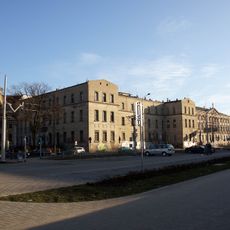
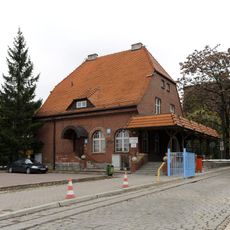
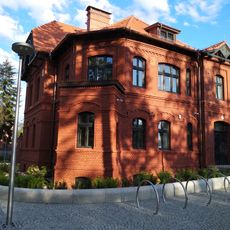
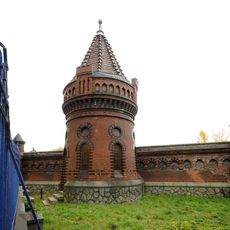
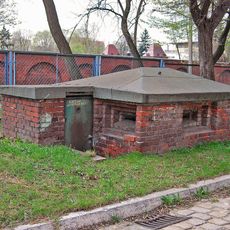
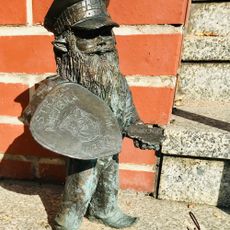
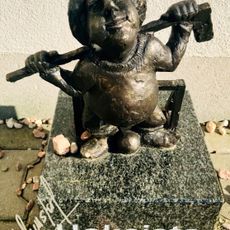
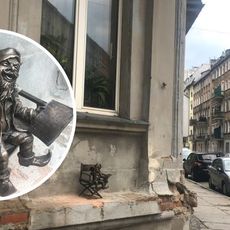
Ethnographic Museum of the National Museum in Wrocław, Ethnographic museum near Powstańców Warszawy Square, Wrocław, Poland.
The Ethnographic Museum of the National Museum in Wrocław occupies the former Summer Palace of the Bishops of Wrocław at Traugutta 111/113, a Baroque residence built from 1737 to a design by Christoph Hackner for Cardinal Philipp Ludwig von Sinzendorf. Its halls hold over 20,000 objects of Lower Silesian folk culture, from 17th-century pieces to contemporary work, plus material from settlers of the former Eastern Borderlands: Polesie, Stanisławów, Tarnopol, Lemkos and Greeks.
The institution was established in 1954 and operates as part of the National Museum in Wrocław, which began as the State Museum in 1947. It grew from a post-war effort to document and preserve the traditional ways of life across Polish communities.
The collection reveals how Polish communities lived through handcrafted objects and regional artistic traditions on display. You can see how different parts of the country developed their own ways of making things and expressing their heritage.
The museum occupies the former Summer Palace of the Wrocław Bishops at ul. Traugutta 111/113, east of the Old Town, reachable on foot or by tram along Traugutta Street. The building is a branch of the National Museum, so check which galleries are open before setting out.
The museum occupies the former Summer Palace of the Bishops of Wrocław, built from 1737 for Cardinal Philipp Ludwig von Sinzendorf to a design by Christoph Hackner. It served seasonally as a retreat and guest house, with a large ballroom and four living rooms. After the cardinal's death it passed to Bishop Philipp Gotthard von Schaffgotsch, who backed Austria in the Seven Years' War and was exiled in 1766, the palace confiscated.
The community of curious travelers
AroundUs brings together thousands of curated places, local tips, and hidden gems, enriched daily by 95,057 contributors worldwide.