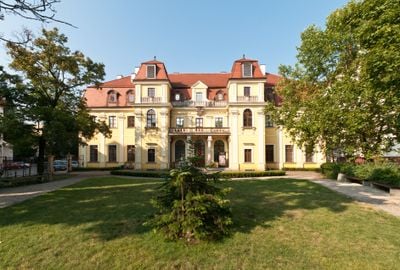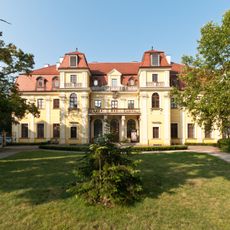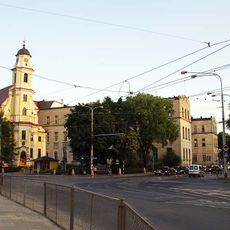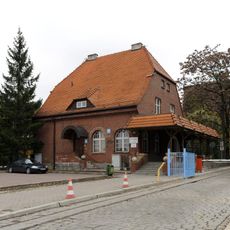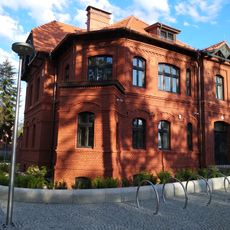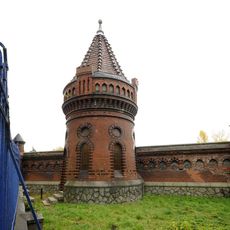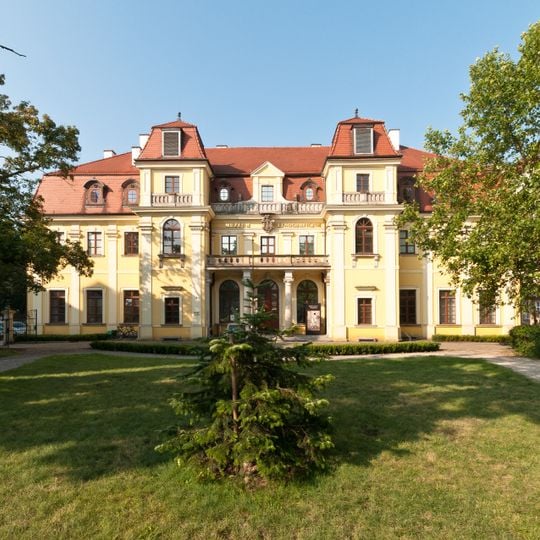
Ethnographic Museum in Wrocław, Ethnographic museum in neo-baroque palace, Wrocław, Poland
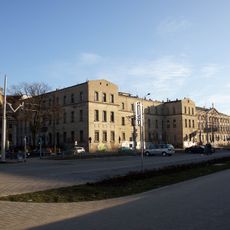
This institution occupies a 19th-century neo-baroque building and displays objects from rural life spanning several centuries. The collections include painted furniture, religious glass paintings, wooden sculptures, and handcrafted items that document everyday existence in farming communities.
The building began as a bishops' summer residence in the 18th century, serving that purpose for many decades. After World War II, it was converted into a museum to preserve the heritage of communities who migrated to the region.
The collections show how people decorated their homes and lived their daily lives, with painted furniture and glass paintings that reveal personal taste and family traditions. Visitors can see how craftsmanship and domestic rituals shaped everyday existence in rural communities.
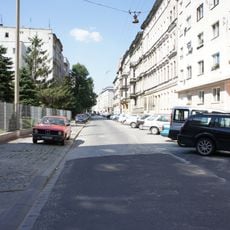
The building sits in a quiet neighborhood and is easy to reach by public transportation. Visitors should allow 2 to 3 hours for a full tour, and note that the older structure has some stairs to navigate.
The collection holds personal items from people who came from many different countries after 1945 and made this region their new home. These objects tell stories of migration, revealing how settlers from Yugoslavia, Romania, France, and Belgium brought their homeland traditions with them.
The community of curious travelers
AroundUs brings together thousands of curated places, local tips, and hidden gems, enriched daily by 92,029 contributors worldwide.