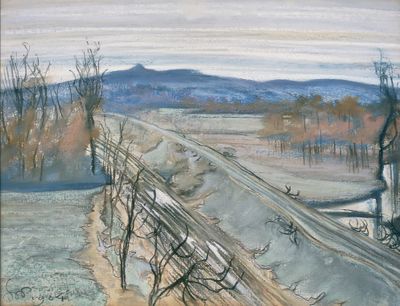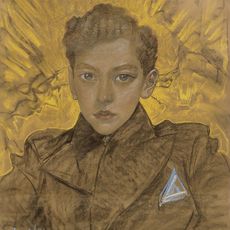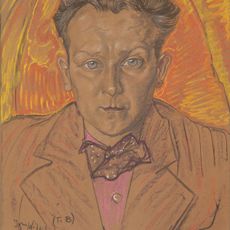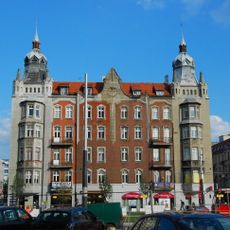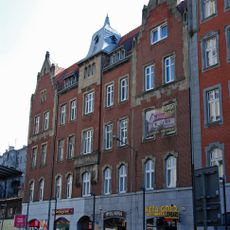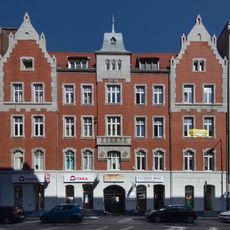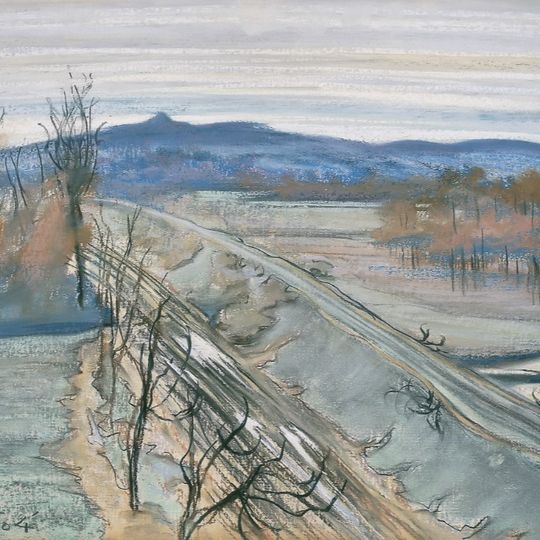
View of the Kościuszko Mound in Kraków, Pastel drawing at Silesian Museum in Katowice, Poland.
This pastel drawing on paper depicts the Kościuszko Mound in Kraków and measures approximately 62.5 by 48.5 centimeters (24.6 by 19.1 inches). The composition combines precise line work with detailed pastel colors to capture both the artificial mound monument and its natural surroundings.
Stanisław Wyspiański created this work in 1904, during a period of significant cultural development in Polish art. The mound itself was constructed in 1823 as a tribute to a major figure in the struggle for Polish independence.
The drawing shows the Kościuszko Mound, a memorial to a Polish leader who fought for independence and reform. This representation connects the reverence for a national symbol with the surrounding landscape of Kraków.
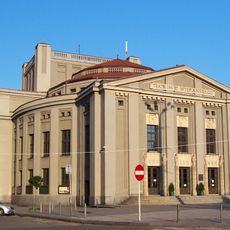
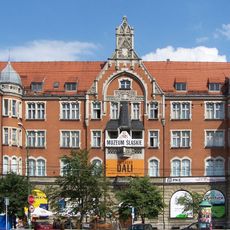
The artwork can be viewed in the permanent collection at the Silesian Museum in central Katowice. The museum provides a calm setting for examining works on paper and is easily accessible by public transportation.
Wyspiański was not only a painter but also a playwright and writer, with diverse creative talents that extended beyond visual art. This drawing reveals his ability to transform historical monuments into windows onto cultural ideals and collective memory.
The community of curious travelers
AroundUs brings together thousands of curated places, local tips, and hidden gems, enriched daily by 92,297 contributors worldwide.