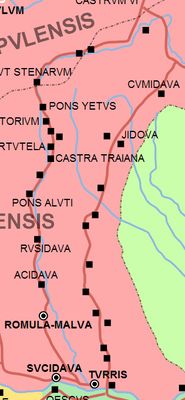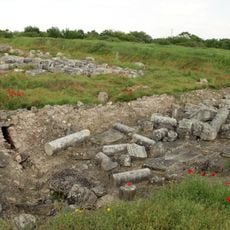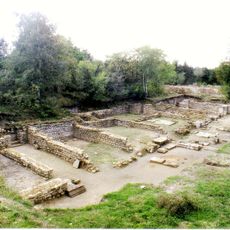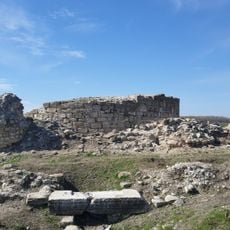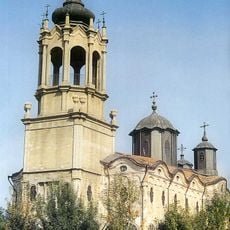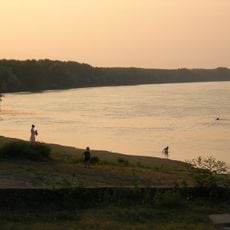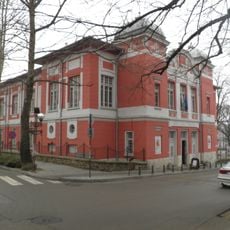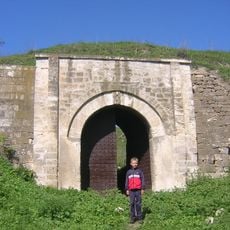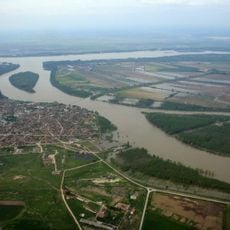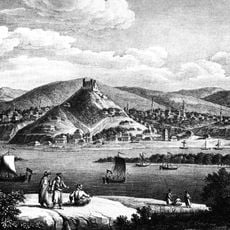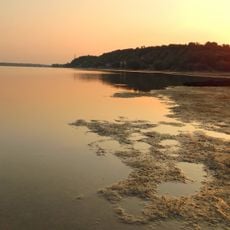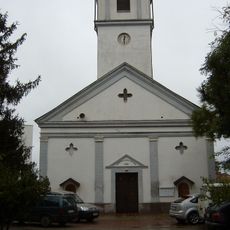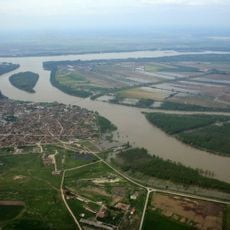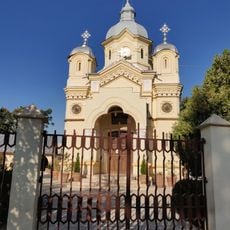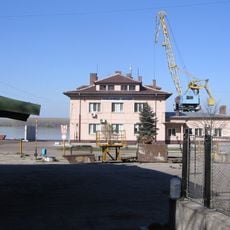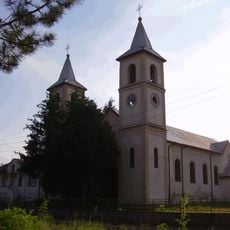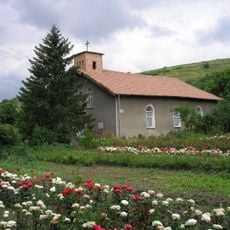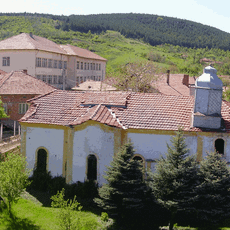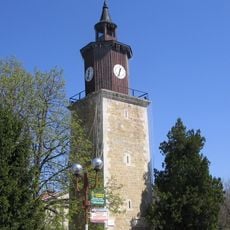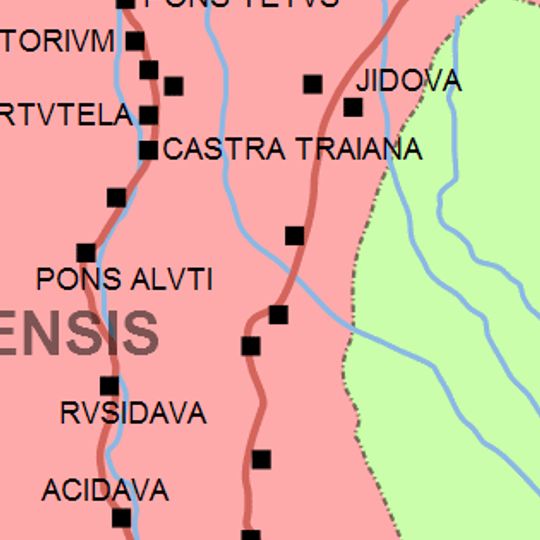
Limes Transalutanus, Roman defensive border in Muntenia, Romania.
Limes Transalutanus is a Roman frontier fortification in Muntenia, Romania, made up of earthen ramparts, watchtowers, and forts that once formed a continuous defensive line. The remains run through fields and forests, and today they appear as low ridges, foundation traces, and a few restored sections.
The line was built in the 2nd century after Roman forces withdrew to the east bank of the Olt River and needed a new way to hold the territory beyond it. When Rome pulled out of the province of Dacia in the 3rd century, the fortifications were gradually abandoned.
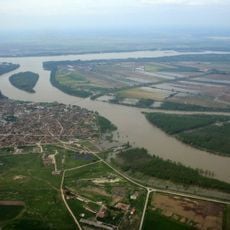
The name "Transalutanus" is Latin for "beyond the Alutus," referring to the Olt River that still runs through the region today. At certain sections, visitors can see how the Romans worked with the local terrain rather than against it, following ridgelines and river bends.
The remains are spread across a wide area of Muntenia, so it is worth researching the most accessible sections in advance and focusing on a few of them. Some parts are reached by unpaved tracks, so sturdy footwear is a good idea.
Unlike other Roman frontier systems such as Hadrian's Wall, this limes was not built as a continuous stone wall but relied mainly on earthen banks and wooden towers. This makes the remains harder to spot in the landscape, but it also means the line blends into the countryside in ways that stone walls never could.
The community of curious travelers
AroundUs brings together thousands of curated places, local tips, and hidden gems, enriched daily by 91,658 contributors worldwide.