Oescus, Archaeological site in Gigen, Bulgaria
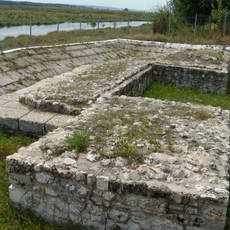
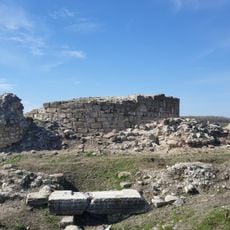
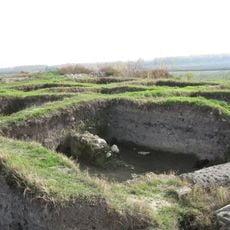
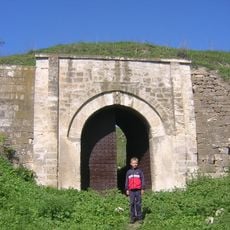
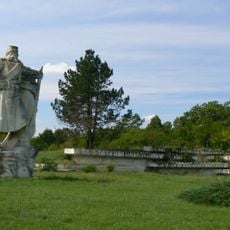
Oescus is an ancient Roman city that extends across a plateau beside the Danube River, with visible remains of streets, columns, and defensive walls. The most important artifacts are now kept in museums in Pleven and Sofia, while the site itself reveals the layout and structure of the settlement.
The city was founded in 106 AD by Emperor Trajan as a Roman colony and served as a military base for Legion V Macedonica. It became an important trading post on the Danube and maintained its strategic role for several centuries.
The mosaic known as "The Achaeans", found in 1948 and dated to the 3rd century AD, shows three masked performers from a comedy by Menander. It is now kept in the Pleven Regional Historical Museum. The city's name comes from the Thracian river Oescus, meaning "water".
The excavation site sits within a fenced area near Gigen village and can be explored on foot. To best understand the finds, visit the museums where the main artifacts are displayed.
Constantine's Bridge, opened by the emperor himself on 5 July 328, was the largest river bridge of antiquity: 2.5 km long, 1.3 km over the water, and 5.7 m wide. It linked Oescus with Sucidava but stood for only about 27 years before a barbarian invasion destroyed it in 355.
The community of curious travelers
AroundUs brings together thousands of curated places, local tips, and hidden gems, enriched daily by 94,560 contributors worldwide.