Novae, Roman archaeological site near Svishtov, Bulgaria
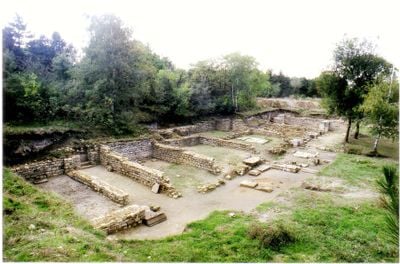
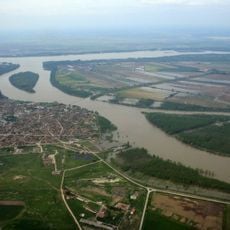
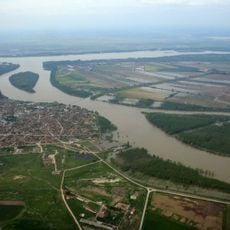
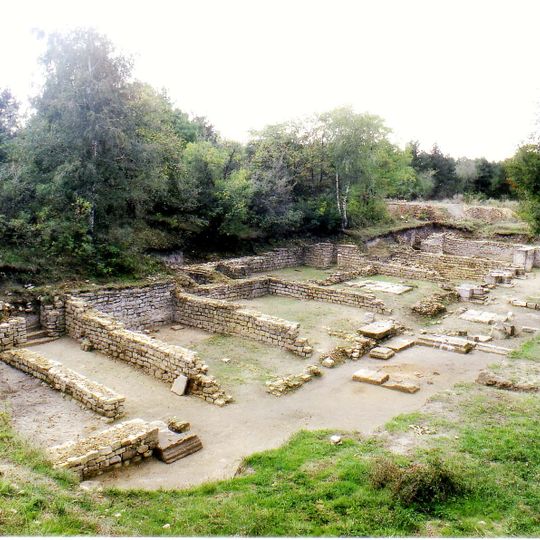
Novae is a Roman legionary fortress on a slope above the Danube, its highest point 30 m above the riverbank, with terraced levels inside the defensive walls. The excavated central area shows low foundations of stacked tan, grey and pale orange stone forming rectangular rooms and small platforms, with no standing walls or roofs.
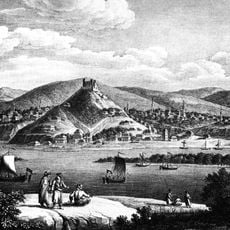
Legio VIII Augusta founded its fortress here around AD 45, after taking part in suppressing the Thracian uprising. In 69–70 Vespasian replaced it with Legio I Italica, which held Novae until at least the 430s. The town later became a bishop's seat, and its last building phase came under Justinian (527–565) before Slavic and Avar attacks ended it.
This settlement was established by Romans and served as a military base where soldiers and their families lived along the Danube. The remains show how daily life unfolded in a Roman garrison, with buildings used for trade, storage, and religious purposes.
The excavated area lies on a slope above the Danube, with terraced levels inside the walls and the highest ground 30 m above the river bank. The central part is the restored, visitable zone; the site is about 4 km east of Svishtov, so most visitors arrive by car or on an organised tour. Ground is uneven and dusty, and shade is scarce.
At this site, doctors worked in a military hospital treating soldiers after battles and accidents. This hospital stands as one of the oldest known military medical centers found in archaeological remains.
The community of curious travelers
AroundUs brings together thousands of curated places, local tips, and hidden gems, enriched daily by 93,849 contributors worldwide.