Красный монетный двор, Heritage building in Tverskoy District, Russia
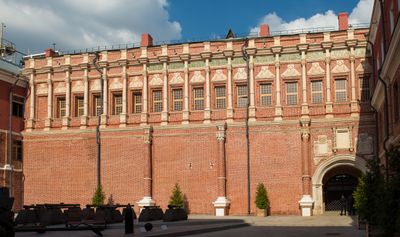
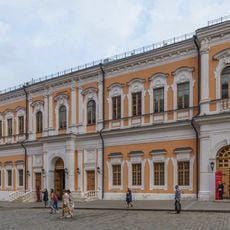
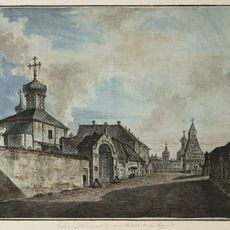
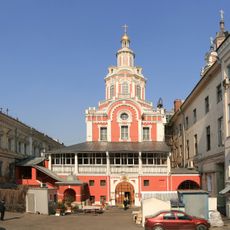
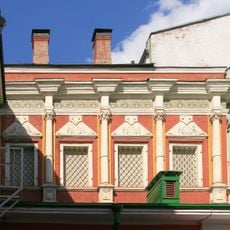
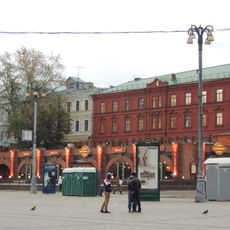
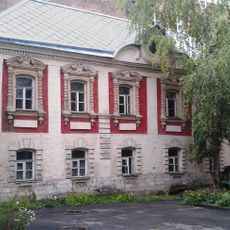
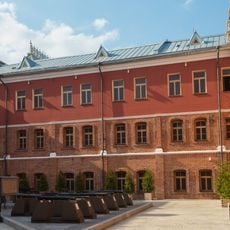
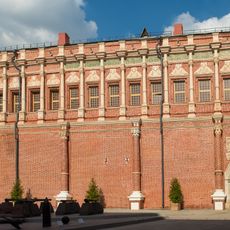
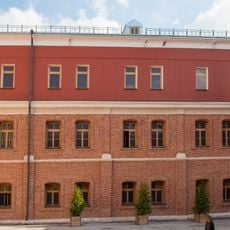
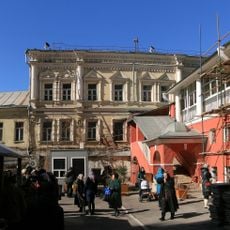
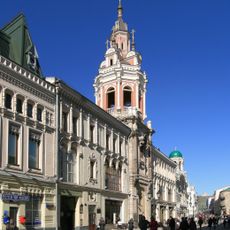
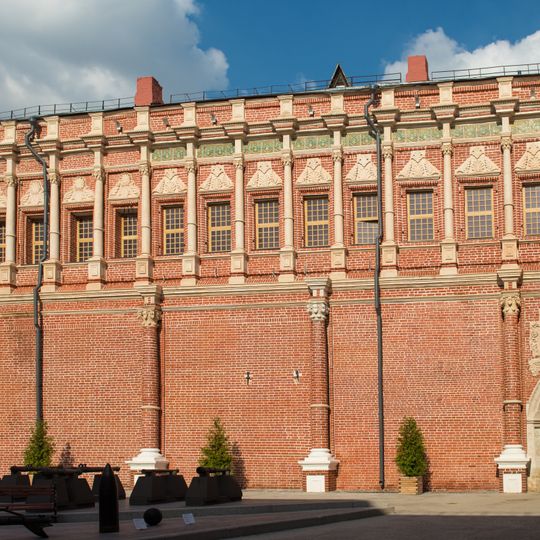
The Red Mint is a late-17th-century civil-architecture monument occupying a block of Kitay-Gorod between the Resurrection Gates, the Printing Court and the Zaikonospassky Monastery. A two-storey chamber building of 1697, pierced by a passage arch, divides an outer and an inner courtyard. Its upper floor carries carved white-stone window surrounds, attached columns, a frieze of polychrome tiles and reliefs with shells, volutes and palmettes.
The mint was founded to produce gold, silver, and copper coins over more than a century until Emperor Paul I relocated its operations in 1797. This move marked the end of a long period of coin production at the site.
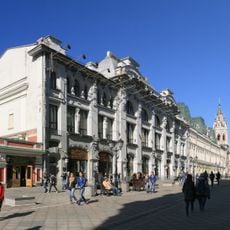
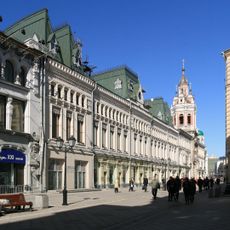
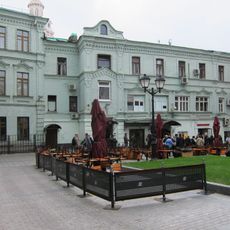
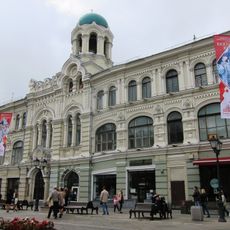
The name Red Mint comes from the red-painted walls of its 1697 chambers. The upper floor's frieze of polychrome tiles and white-stone carvings with shells, volutes and palmettes can still be seen from the inner courtyard. In the Catherine II era the building facing Resurrection Gates held the hall of the provincial government offices, decorated with stucco in the classical style, where the six-member city duma met.
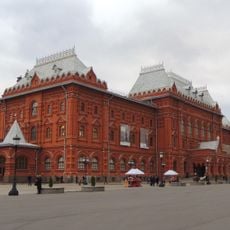
The courtyard entrance, once open to all, has been locked behind solid gates for years, so the inner yard and the 1697 two-storey chambers are not freely accessible. The building is nominally held by the State Historical Museum but is occupied by various tenants. The Museum of the Patriotic War of 1812 has occupied the yard between the mint and the former city duma building since autumn 2012.
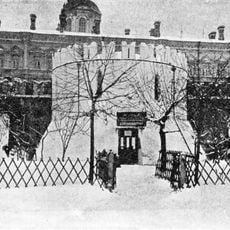
The basement once housed a debtors prison alongside storage facilities for precious metals, revealing the layered functions of the institution during its operational years. This dual purpose shows how security and confinement were intertwined in the building's daily operations.
The community of curious travelers
AroundUs brings together thousands of curated places, local tips, and hidden gems, enriched daily by 93,138 contributors worldwide.