Mazı Underground City, Archaeological site in Nevşehir, Turkey
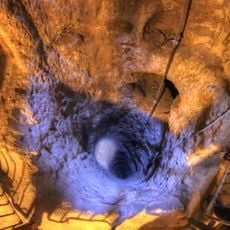
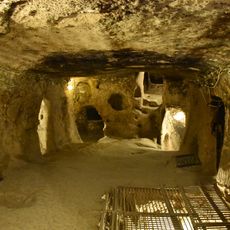
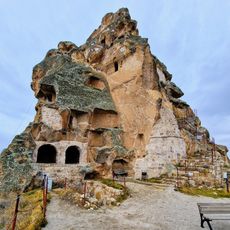
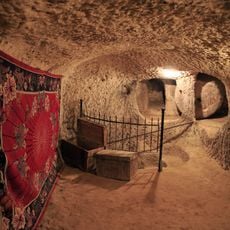
Mazı Underground City is a subterranean settlement in Cappadocia with four different entrances leading to a central hall, complete with corridors and tunnels carved into volcanic rock. The site spreads across multiple levels and reveals a complex network of connected rooms and passages.
This underground complex dates back to the Roman period and served as a refuge for inhabitants seeking protection from invaders across multiple historical eras. Carving and expanding these subterranean spaces was a long-term adaptation to the region's unstable times.
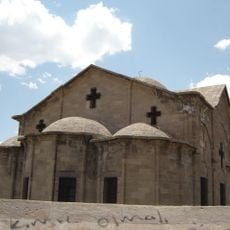
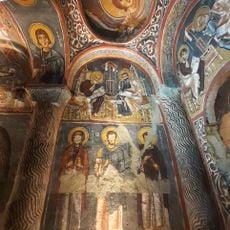
The underground complex includes a church reached through a short corridor, showing how early Christian communities in Cappadocia lived out their faith. These spaces were places where people gathered to pray and maintain their traditions together.
The underground levels are accessible on foot and well laid out for visitors exploring the various chambers. It makes sense to wear comfortable shoes and allow plenty of time for exploration, as the passages can be tight and winding.
Within the complex sits a specialized winery featuring a chimney system through which grapes could be dropped directly from the surface for underground processing. This clever mechanism shows how inhabitants adapted their subterranean spaces for everyday economic activities.
The community of curious travelers
AroundUs brings together thousands of curated places, local tips, and hidden gems, enriched daily by 91,640 contributors worldwide.