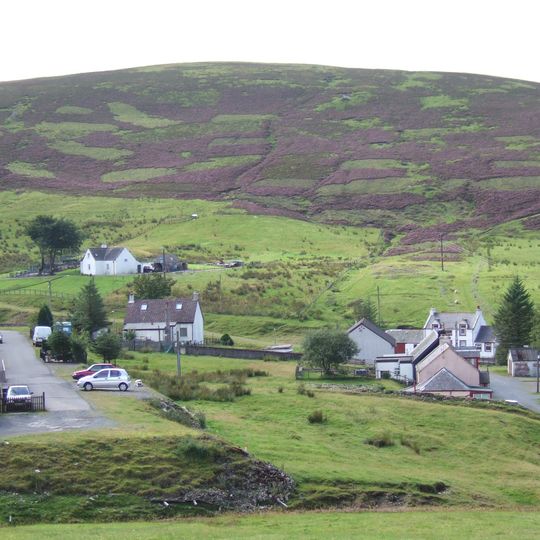
Wanlockhead, village in Dumfries and Galloway, Scotland, UK
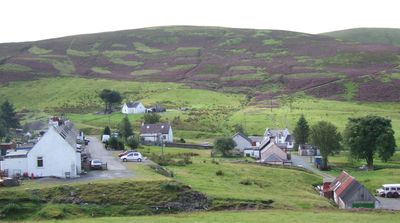
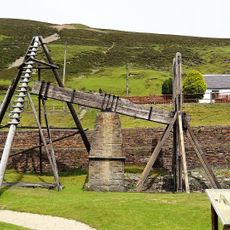
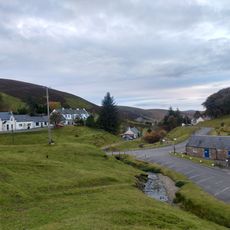
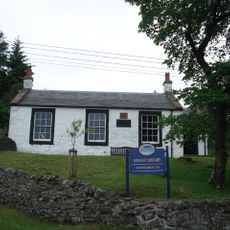
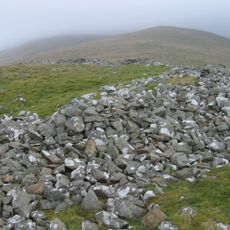
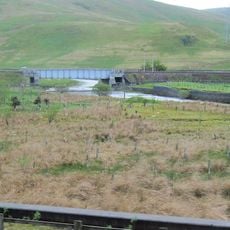
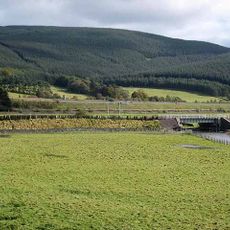
Wanlockhead is a village in the Lowther Hills in Scotland's Dumfries and Galloway region and the country's highest village. Stone cottages scatter across green hills alongside old mining sites and tunnels that show how miners once worked and lived in this remote place.
Romans likely worked the lead deposits in ancient times, but permanent settlement began in the late 1600s when the Duke of Buccleuch established a smelting plant and workers' cottages. Mining remained the center of village life until the early 1900s, when operations gradually closed and the railway that transported minerals stopped running.
The village name reflects Welsh origins, and the tight-knit community maintains traditions passed down through generations. Locals gather at the pub and participate in seasonal celebrations featuring traditional crafts and music that connect residents to their rural heritage.
The village sits high in the mountains above 1,500 feet (460 meters), and weather changes quickly throughout the year. Visitors should dress in layers and prepare for rain, especially during cooler months when snow often covers the landscape.
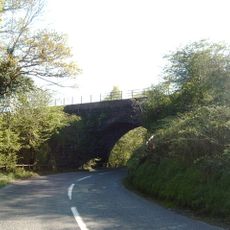
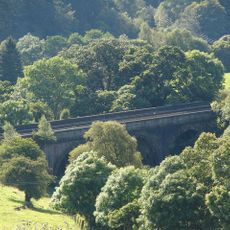
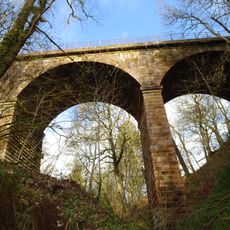
The village is home to one of Scotland's highest pubs and was once served by one of the country's highest railway lines that carried minerals out of the mines. A narrow gauge railway now follows part of the old trackbed, giving visitors a rare chance to experience the mining heritage firsthand.
The community of curious travelers
AroundUs brings together thousands of curated places, local tips, and hidden gems, enriched daily by 91,841 contributors worldwide.