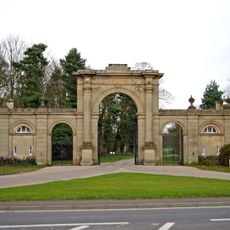
Wroxeter, Archaeological village in Shropshire, England
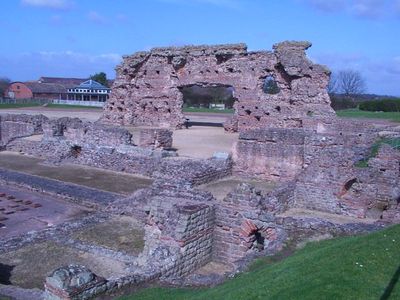
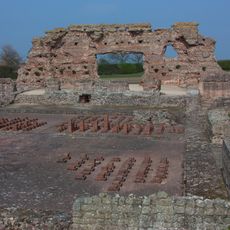
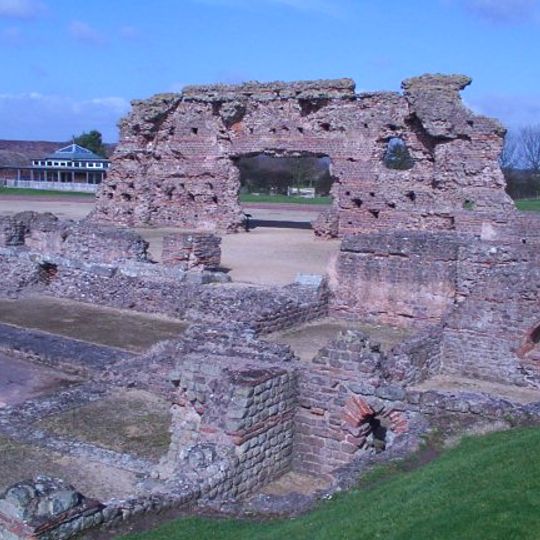
Wroxeter is a village in Shropshire containing remains of a Roman city, including defensive walls, bath complexes, and a reconstructed dwelling set among green fields beside the River Severn. These ruins sit within the present-day landscape to show how the ancient settlement was organized.
The settlement started as a Roman military fort in 55 AD and grew to become Britain's fourth-largest city. This growth reflects how Roman outposts developed into major urban centers during their occupation of Britain.
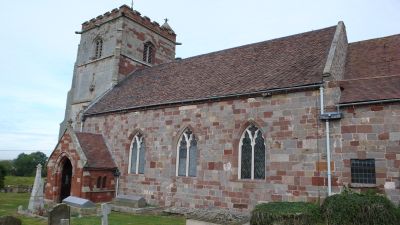
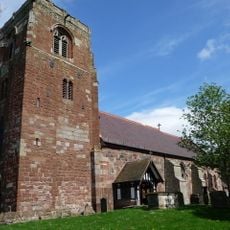
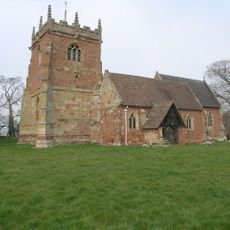
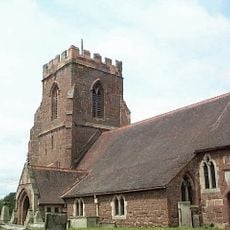
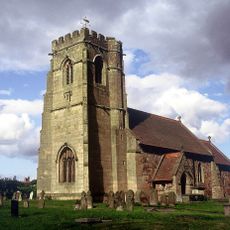
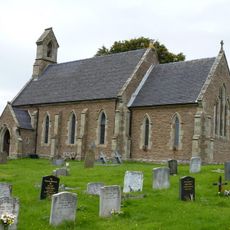
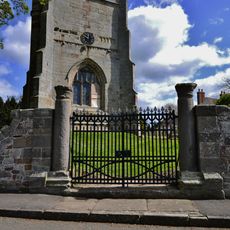
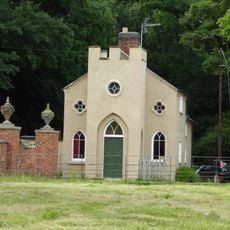
Saint Andrew's Church incorporates Roman columns as gatepiers and features a font made from an ancient column segment. This blending shows how local people repurposed Roman stone for their religious spaces.
The archaeological site sits in open countryside and is easy to walk around, with the open fields allowing visitors to move freely between the various remains. It is best visited during daylight hours to see the foundations and details clearly.
An excavation uncovered a 2,000-year-old mosaic showing dolphins and fish buried beneath the ground. This discovery provides insight into the artistic tastes and daily life of the Roman inhabitants.
The community of curious travelers
AroundUs brings together thousands of curated places, local tips, and hidden gems, enriched daily by 92,748 contributors worldwide.