East Shetland Basin, Geological basin in North Sea, United Kingdom
The East Shetland Basin is a large sedimentary basin beneath the seabed between Scotland and Norway, containing multiple layers with oil and gas reserves. These deposits formed over millions of years within rock layers that accumulated and shifted beneath the ocean floor.
This basin formed around 250 million years ago when continental plates separated and rifts opened in the Earth's crust. Over time, sediments and organic material accumulated in these spaces, eventually transforming into the oil and gas resources found here today.
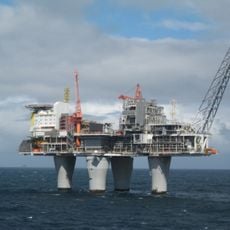
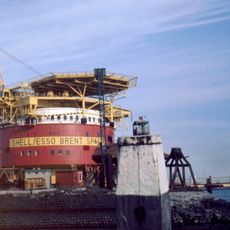
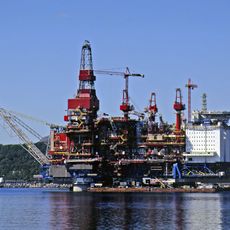
Oil and gas extraction from this basin transformed the economy of Scottish waters and shaped how local communities work and develop their industries. The presence of platforms, terminals, and maritime infrastructure became woven into the identity of the surrounding regions.
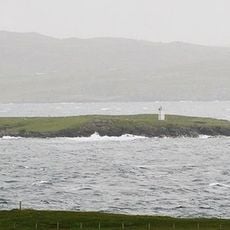
This basin is connected to shore through pipelines that feed into processing terminals and distribution hubs around the region. Visitors can observe the industrial infrastructure from coastal areas nearby, where ports and facilities manage the flow of resources to markets worldwide.
The Viking Graben, a major fault zone running through this basin, creates natural structural traps that hold massive amounts of hydrocarbons. These geological formations are what make extraction in these waters particularly productive compared to other offshore regions.
The community of curious travelers
AroundUs brings together thousands of curated places, local tips, and hidden gems, enriched daily by 91,130 contributors worldwide.