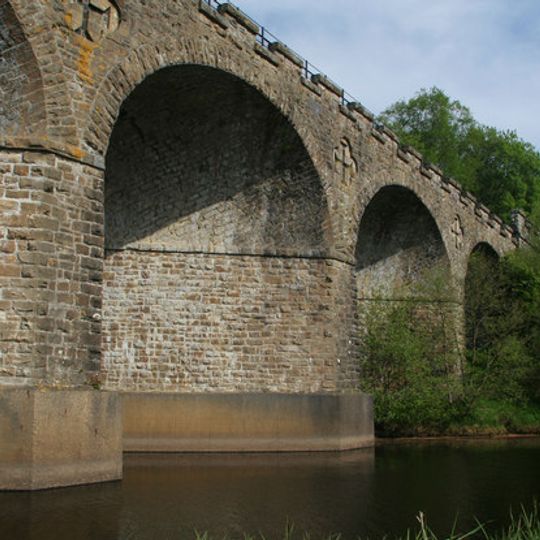
Kielder Viaduct, Railway viaduct in Northumberland, England.
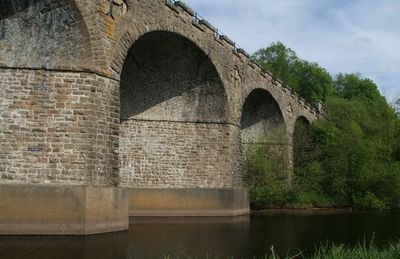
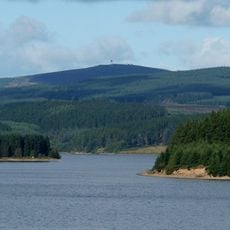
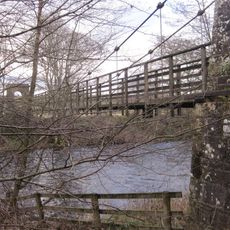
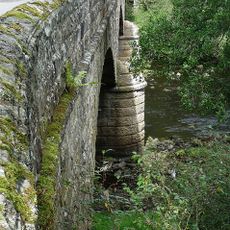
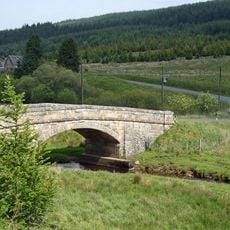
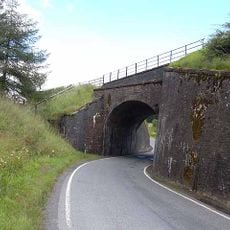
Kielder Viaduct is a railway viaduct in Northumberland featuring seven semi-circular masonry arches angled across the North Tyne River. The structure spans approximately 122 meters at the head of Kielder Water and remains a solid example of 19th-century railway engineering.
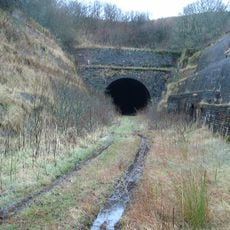
The North British Railway built this viaduct in 1862 as part of the Border Counties Line, a railway route serving the region. Passenger services along this line ended in 1956 and the viaduct remains a protected monument today.
The Duke of Northumberland shaped the design by requesting turrets and battlements to echo the style of his nearby castle. This reflects how railway construction sometimes served the aesthetic preferences of local landowners.
The structure is accessible via footpaths from the forestry car park, which leads to viewing points on the arches. Best visited in dry weather since the paths can be damp and slippery, especially near the river.
Each stone in the viaduct follows helical patterns based on mathematical principles that Peter Nicholson developed for skewed arch construction. This precise stone arrangement allowed the unusual angled arches to span across the river without structural weakness.
The community of curious travelers
AroundUs brings together thousands of curated places, local tips, and hidden gems, enriched daily by 91,657 contributors worldwide.