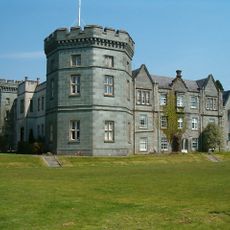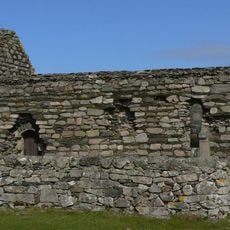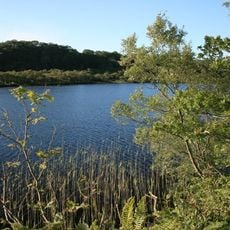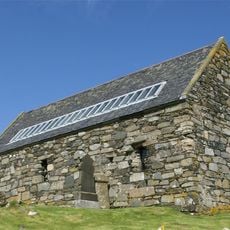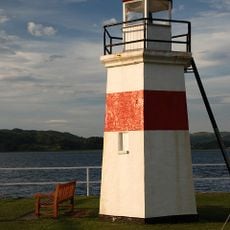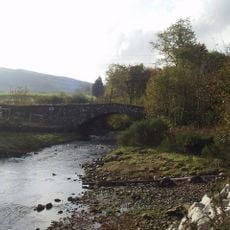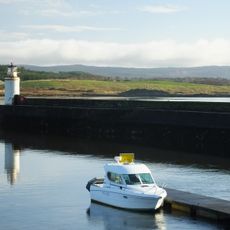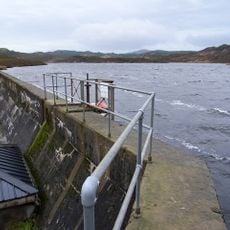
Loch Sween, Sea inlet in Argyll and Bute, Scotland
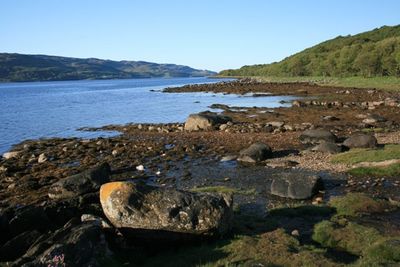
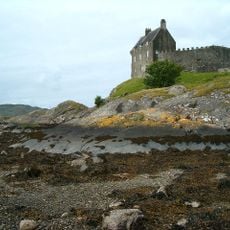
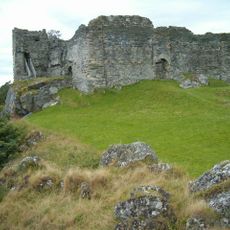
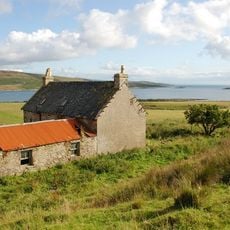
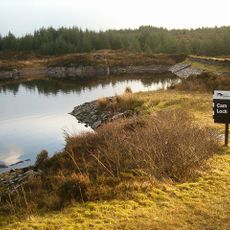
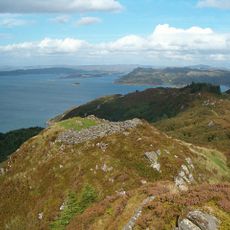
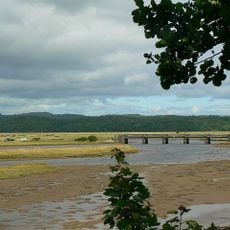
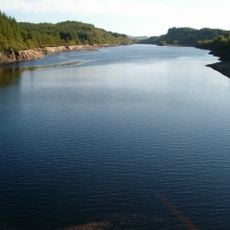
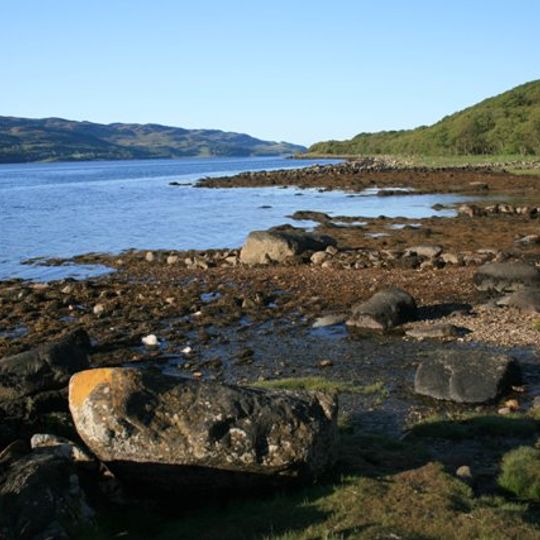
Loch Sween is a sea inlet on Scotland's west coast, formed by water that fingers inland through several narrow branches. The shoreline features rocky outcrops and green hills, with ruins of a castle sitting on the southern bank.
The area served as a strategic maritime hub for centuries, with a castle built in the early medieval period to control the water and surrounding lands. This fortification reflects the long history of settlement and trade activity that shaped this part of Scotland.
The local names around this inlet reflect Gaelic roots, connecting the place to regional language and heritage. Walking along the shore, you encounter these names on signs and maps, showing how language shapes the identity of the area.
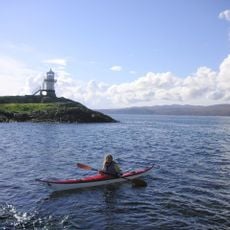
The village of Tayvallich on the northern shore offers boat launching points and water activity options available year-round. Exploring by water works best on high tide, when the inlets fill with water and passage becomes easier to navigate.
The seabed holds rare maerl beds, a red coralline algae that creates an unusual seafloor landscape protected under conservation rules. These structures support one of Scotland's largest populations of native oysters, making the waters ecologically significant in unexpected ways.
The community of curious travelers
AroundUs brings together thousands of curated places, local tips, and hidden gems, enriched daily by 92,233 contributors worldwide.