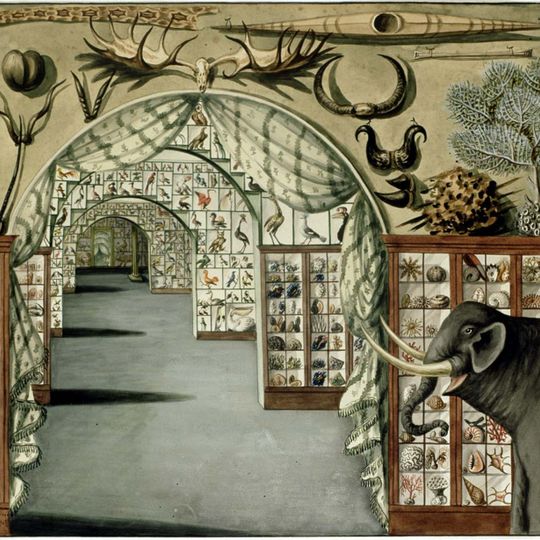
Leverian collection, Natural history museum in Leicester Square, London, England
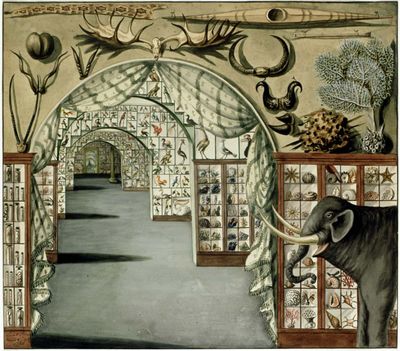
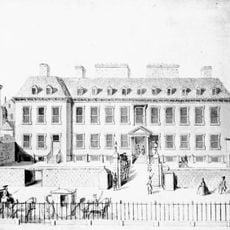
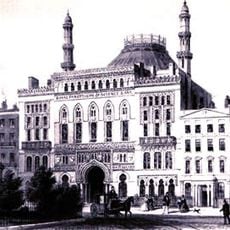
The Leverian collection was a natural history museum in Leicester Square housing about 28,000 specimens and artifacts displayed in glass cabinets across twelve rooms of Leicester House. The items came from many different fields of natural history and ethnography, organized for visitors to view and study.
Sir Ashton Lever founded the Holophusicon museum in 1775, displaying specimens gathered during Captain James Cook's Pacific voyages. The collection grew steadily and became an important center for studying natural history in its time.
The collection displayed Tahitian objects in a dedicated room, showing how British collectors viewed Pacific island cultures in the 1700s. Visitors could observe the way these distant communities were represented through the items on display.
Entry to the museum required either an annual membership or a one-time admission ticket, with pricing that varied based on visitor numbers. Plan to spend several hours exploring the twelve exhibition rooms properly.
Faced with money problems, Parliament approved a lottery in 1784 to sell off the museum's collection, with tickets priced at one guinea each. This unusual method helped prevent the specimens from being lost or scattered.
The community of curious travelers
AroundUs brings together thousands of curated places, local tips, and hidden gems, enriched daily by 92,189 contributors worldwide.