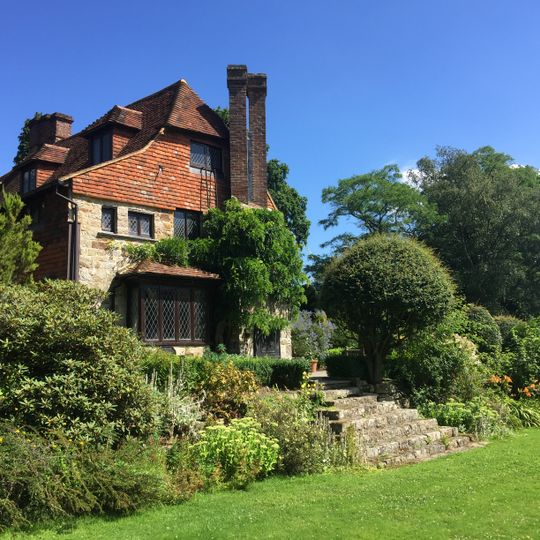
Luxford House, Grade II listed country house in Crowborough, England
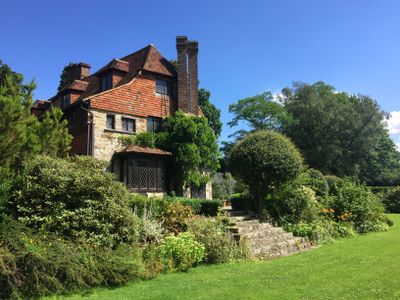
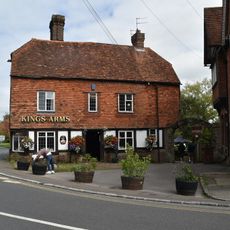
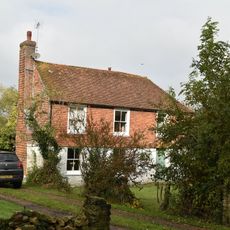
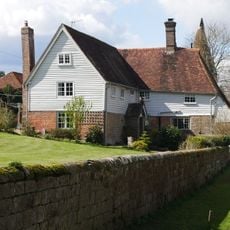
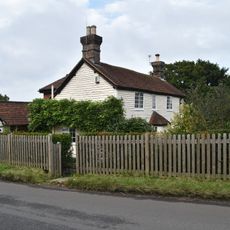
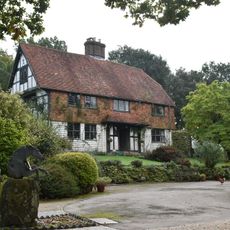
Luxford House is a timber-framed building from the 16th century in Crowborough, East Sussex, featuring three hipped dormers and traditional plaster infilling across its two main floors. It also has an attic floor and is listed as a Grade II protected building.
The house dates from the 16th century and is among the older timber-framed structures still standing in the area. In the 1930s, Sir Hugh Beaver, who later founded the Guinness Book of Records, bought the property and carried out major restoration work.
In the early 1970s, musicians including Genesis used the house to rehearse and write music, giving the building a place in rock history that its quiet exterior does not suggest. This kind of creative use of a private country house was unusual and draws interest from music fans today.
The house is privately owned, but its timber-framed facade is clearly visible from the street and easy to observe without entering the property. A visit on foot works well, and the exterior details are best seen in daylight.
The library of the house was used in 1974 as a recording space for folk guitarist Bert Jansch's album 'L.A. Turnaround', including the music video shoot. It is rare for such an old private room to have served as a professional production space of that kind.
The community of curious travelers
AroundUs brings together thousands of curated places, local tips, and hidden gems, enriched daily by 92,775 contributors worldwide.