Topeka, Capital city in Kansas, United States.
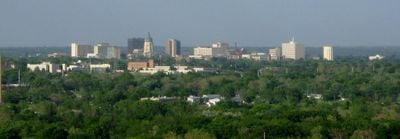
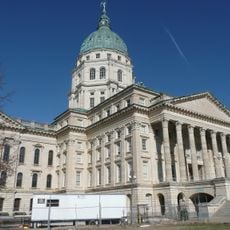
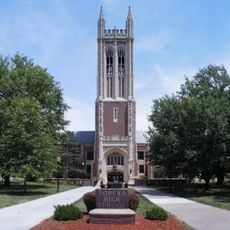
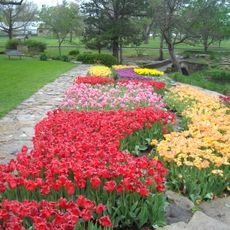
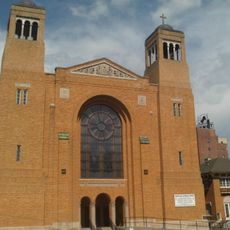
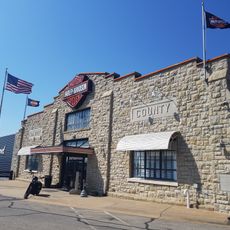
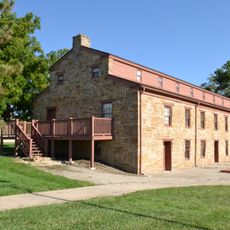
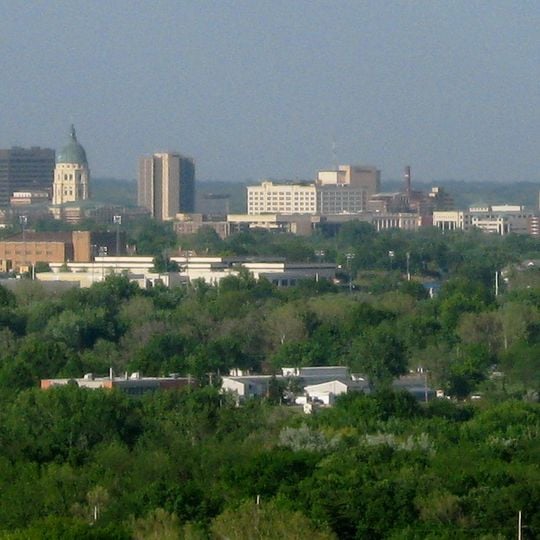
Topeka is the state capital in northern Kansas, sitting along both banks of the Kansas River with a population around 125,000. The city spreads over gently rolling hills and shows a mix of low-rise government buildings in the center and broad residential neighborhoods with gardens and parks all around.
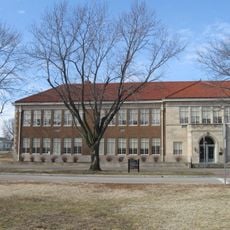
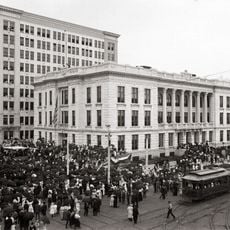
The settlement began in 1854 just before Kansas Territory was established, and it became the capital in 1861 when Kansas joined the Union. Its role in civil rights grew through local legal challenges in the mid-20th century that sparked nationwide changes in law.
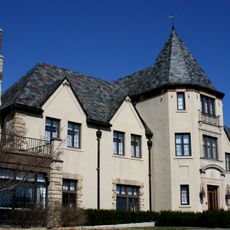
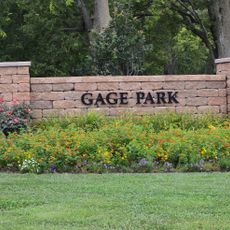
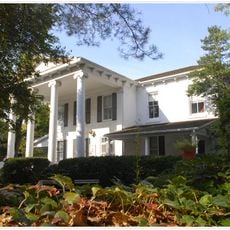
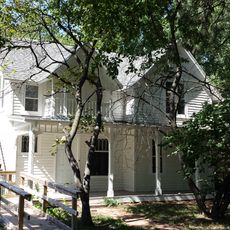
The city takes its name from the Kansa word meaning "where we dig prairie potatoes," and locals often gather around the Gage Park band shell on summer evenings. The neighborhoods along Huntoon Street show rows of early 20th-century houses with wooden porches and tree-lined sidewalks where people still walk to nearby shops.
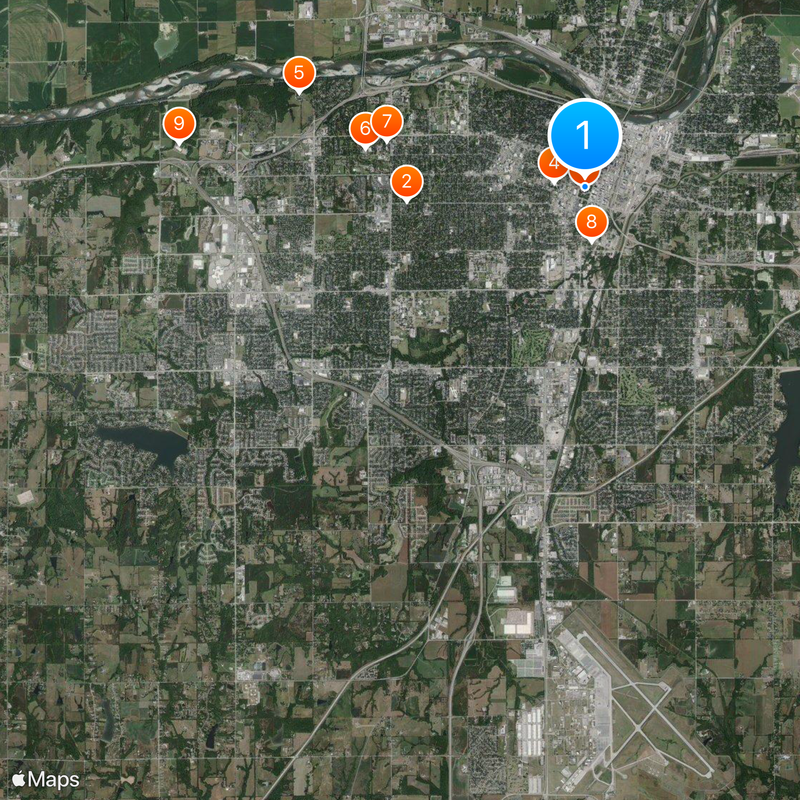
The central part can be explored on foot, while neighborhoods and parks farther out are easier to reach by car. Most public buildings and museums have accessible entrances and remain open year-round.
An old railroad tunnel runs beneath the downtown and was once used for freight trains but now carries utility lines. Some street corners still show cast-iron hydrants from the late 1800s that remain in working order.
The community of curious travelers
AroundUs brings together thousands of curated places, local tips, and hidden gems, enriched daily by 92,129 contributors worldwide.