Atlantic Avenue, street in Brooklyn and Queens, New York City
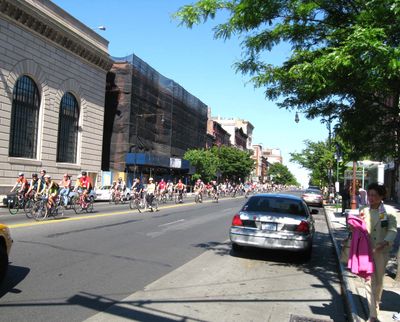
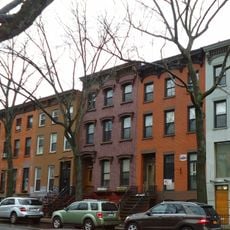
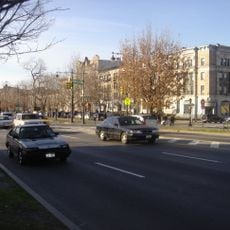
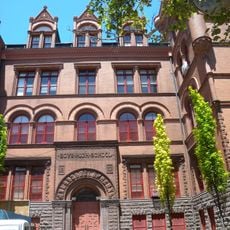
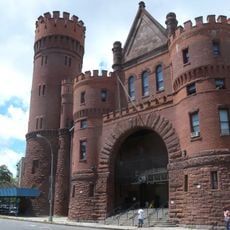
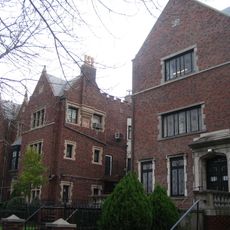
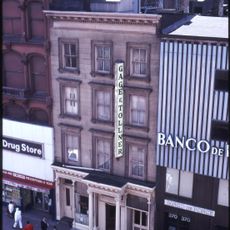
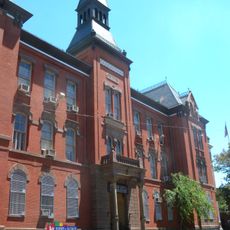
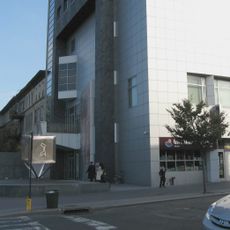
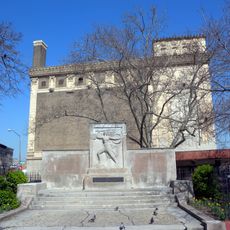
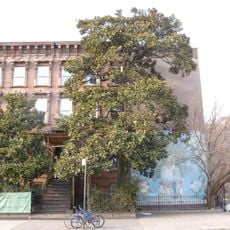
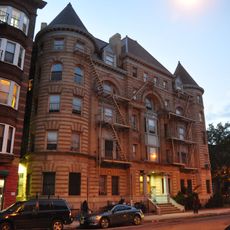
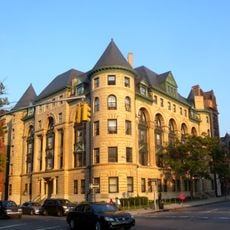
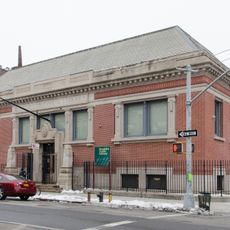
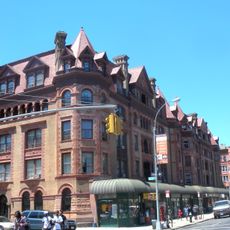
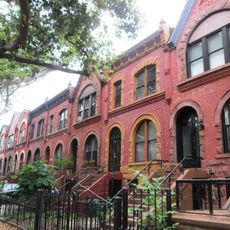
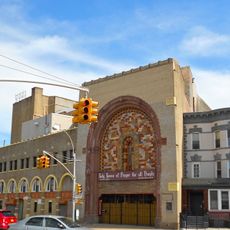
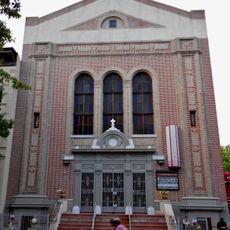
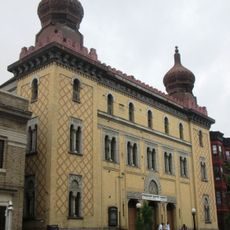
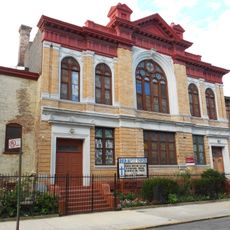
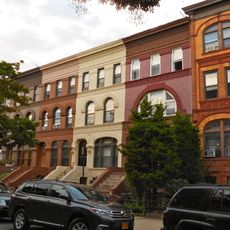
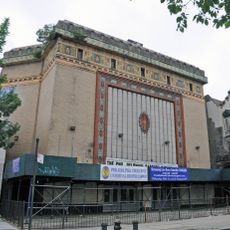
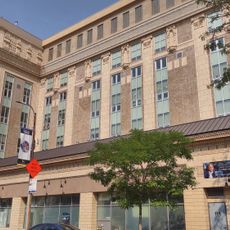
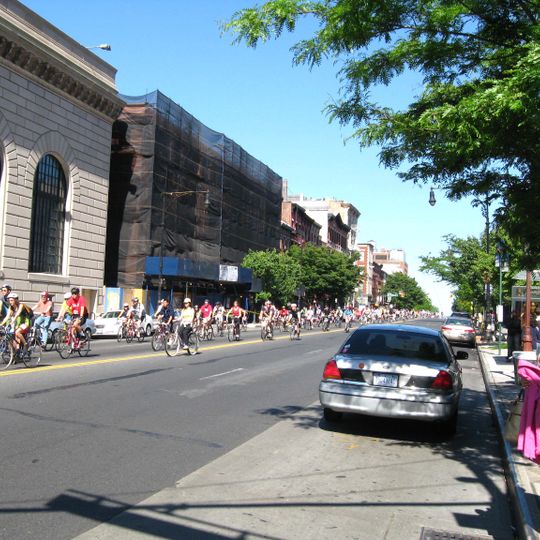
Atlantic Avenue is a main thoroughfare running roughly 10 miles from Brooklyn's East River waterfront to Queens, connecting multiple neighborhoods across both boroughs. The western section features small shops, restaurants, and mosques in older brick buildings, while the eastern portion shows larger stores, rail yards, and auto-supply outlets alongside apartment buildings.
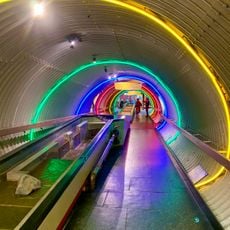
The street originated in the 1840s as District Street and became a commercial route after the opening of the Atlantic Basin. In 1844, the Long Island Rail Road built one of the first underground railroad tunnels here, linking neighborhoods to the harbor and fueling Brooklyn's expansion.
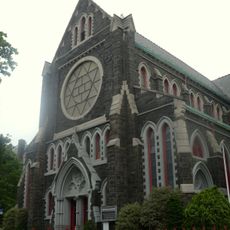
The western section in Brooklyn hosts a long-established Arab community with restaurants, shops, and mosques that have shaped the street's character for generations. Visitors walking through can see how families have kept their traditions alive through food, celebrations, and gathering places that define daily life here.
The street is well served by multiple bus routes and the Atlantic Avenue-Barclays Center subway station, which provides access to many train lines. The western section has narrow sidewalks and heavy traffic, while the eastern part is wider and feels less congested.
A single trolley wire pole remains on the street, a remnant of the streetcar line that ran here until 1949. Montero Bar and Grill, opened in 1940, still keeps the rough character of old Brooklyn's waterfront with ship models and family photos on its walls.
The community of curious travelers
AroundUs brings together thousands of curated places, local tips, and hidden gems, enriched daily by 60,000 contributors worldwide.