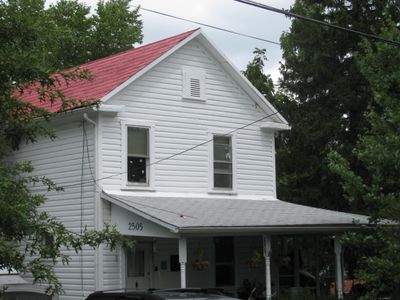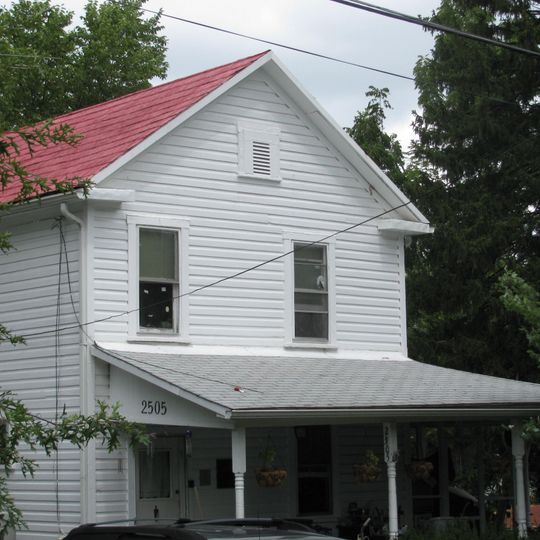
Charles Richard Drew House, Historic residence in Arlington County, United States.
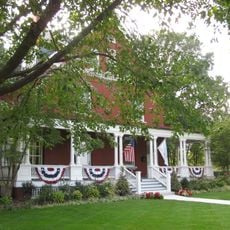
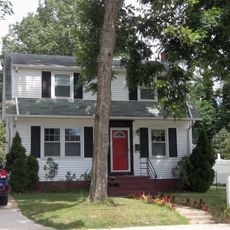
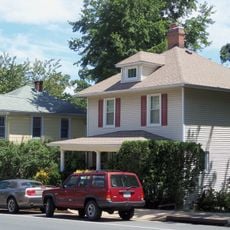
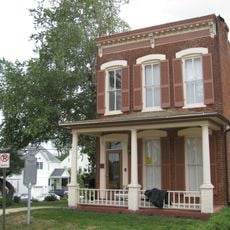
The Charles Richard Drew House is a residential building in Arlington with wooden clapboard exterior and a gabled roof from the early 20th century. The structure contains four main rooms with a two-room extension and stands within a historic residential neighborhood near 1st Street.
The house was home to a physician between 1920 and 1939 who later developed groundbreaking methods for storing blood plasma during World War II. This work laid the foundation for blood banking and saved countless lives.
The house reflects the achievements of Black physicians in America and shows where a pioneering doctor lived while advancing medicine. The neighborhood tells the story of African American families who built their lives and careers in Arlington during a time of segregation.
The property sits in Arlington's Penrose Historic District near the intersection of 1st Street and South Cleveland Street. Visitors should explore the residential neighborhood on foot and observe the early architecture throughout this area.
The house earned recognition as a National Historic Landmark in 1976 from the National Park Service, even though it appears modest and could easily be overlooked. This designation shows how significant the physician's role was in medical history, extending far beyond the small building itself.
The community of curious travelers
AroundUs brings together thousands of curated places, local tips, and hidden gems, enriched daily by 92,386 contributors worldwide.