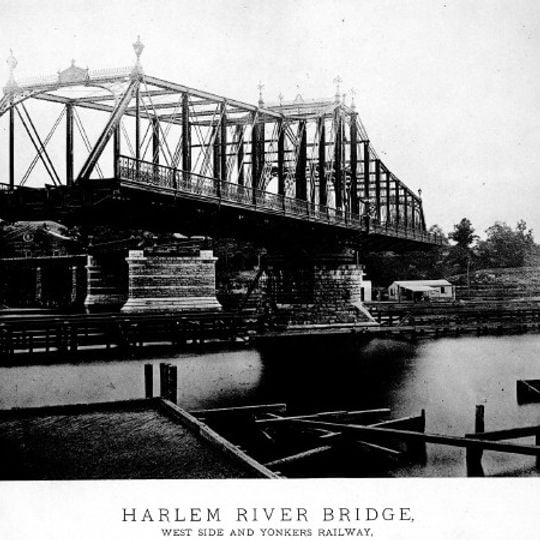
Putnam Bridge, Railway bridge across Harlem River in Manhattan, United States.
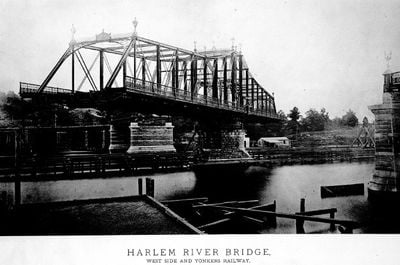
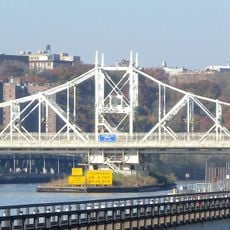
Putnam Bridge was a railway bridge spanning the Harlem River between Manhattan and the Bronx with a swing mechanism that could open for boat traffic. The structure included pedestrian walkways alongside the railroad tracks and could be raised to allow river vessels to pass underneath.
The bridge opened in 1881 to connect two important rail lines across the Harlem River as the city expanded northward. It was designed by engineers who specialized in swing bridge construction during a period of rapid railroad development.
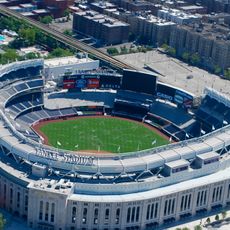
The bridge carried railroad lines that connected Manhattan neighborhoods to the Bronx, making it an important route for people traveling to sporting events and daily activities. Its role in the city's transportation network reflected how railroads shaped where New Yorkers could easily go.
The bridge had designated walkways for pedestrians separate from the railroad tracks, making it possible to cross on foot. Visitors could observe the swing mechanism and the river below from the walkway areas.
When completed, the bridge featured the largest double-track swing span ever built, making it a remarkable achievement in railroad engineering of its time. This technical distinction set it apart from other bridge constructions in the country.
The community of curious travelers
AroundUs brings together thousands of curated places, local tips, and hidden gems, enriched daily by 91,604 contributors worldwide.