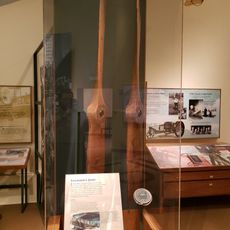
Territorial era of Minnesota, Historical territory in Minnesota, United States
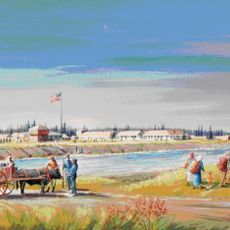
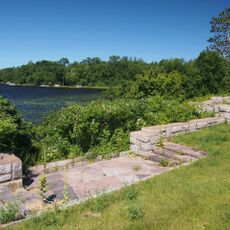
The Minnesota Territory was a historical administrative region encompassing present-day Minnesota and portions of the Dakotas east of the Missouri River. It covered a vast landscape of river valleys and waterways central to early American western expansion.
From 1849 to 1858, the region transformed from a sparsely populated area into an organized territory with established settlements. This rapid development was driven by settler arrival and the availability of river transportation routes.
European settlers arrived in large numbers during this period, establishing communities and transforming the region's population makeup. Their arrival shaped the social fabric and development of early settlements throughout the territory.
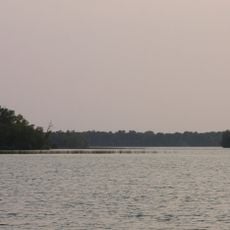
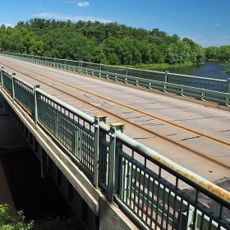
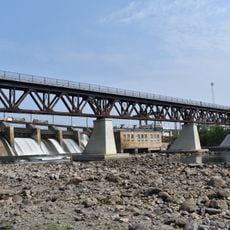
The Mississippi River served as the main transportation route since road connections to neighboring regions did not exist and water routes were the most reliable way to travel. Understanding early settlement patterns requires recognizing how completely river transport shaped movement and trade.
Military installations such as Fort Snelling and Fort Ripley were strategically positioned to ensure security and support settlement of the region. These forts played a key role in controlling the territory during its early development phase.
The community of curious travelers
AroundUs brings together thousands of curated places, local tips, and hidden gems, enriched daily by 91,890 contributors worldwide.