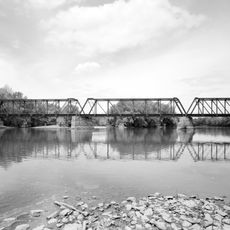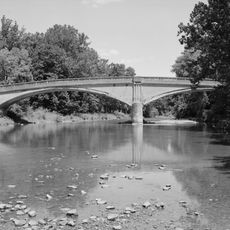
West Branch Susquehanna River, Major river branch in central Pennsylvania, United States.
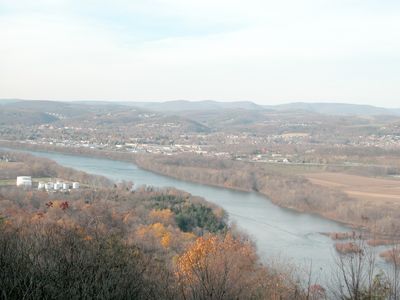
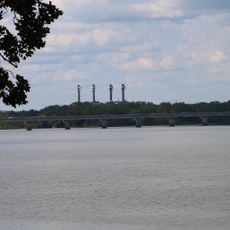
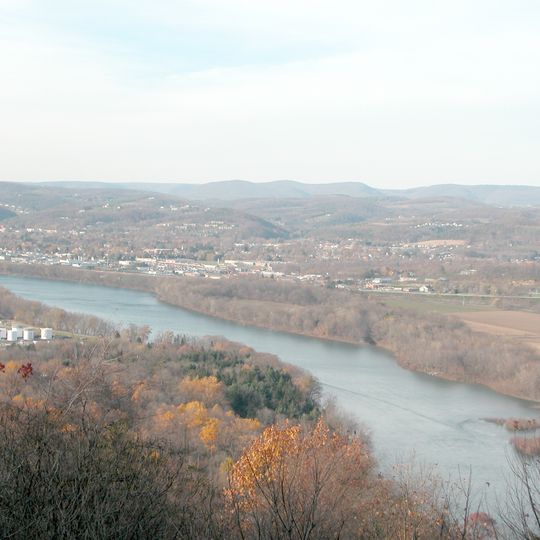
The West Branch Susquehanna River is a major waterway in central Pennsylvania that flows through the Allegheny Plateau from the mountains to the lower valley. It winds through towns and farmland, connecting diverse communities along its path and serving as a corridor for recreation and commerce.
During the 1800s, the river was essential to Pennsylvania's timber trade, with logs floated downstream to processing mills that supplied lumber for building and ships. This industry transformed the region and established many of the communities that line its banks today.
Indigenous peoples including the Susquehannock and later the Lenape lived and fished along these banks for centuries before European settlement. Visitors today can see how the river remains central to the identity and way of life of the communities that border it.
Multiple access points and water trails allow you to paddle different sections at your own pace, with conditions varying by season and water level. Plan your visit around weather and water flow, as spring tends to bring stronger currents while summer offers calmer paddling.
The Susquehanna Boom, built in 1846, was a massive structure designed to trap and organize logs from upstream, with dozens of sawmills operating along its length. What visitors often overlook is how this engineering feat literally controlled the flow of timber and shaped the entire regional economy for decades.
The community of curious travelers
AroundUs brings together thousands of curated places, local tips, and hidden gems, enriched daily by 90,943 contributors worldwide.