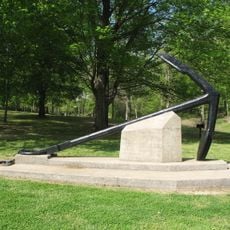
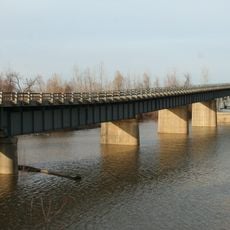
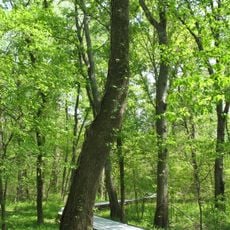
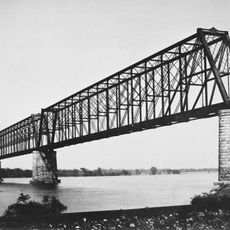
New Madrid Floodway Project, Flood control project in southeastern Missouri, United States.
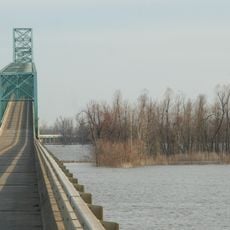
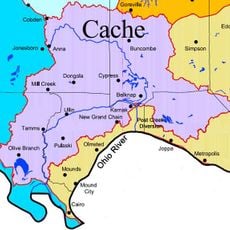
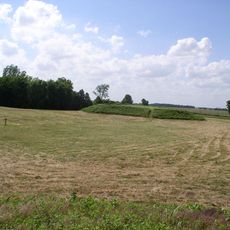
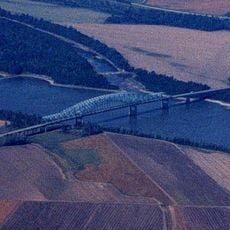
The New Madrid Floodway Project is a flood control system in southeastern Missouri that uses levees and controlled waterways to manage excess river flow. The infrastructure guides water through designated channels to protect surrounding areas from inundation.
The project was built after the Great Mississippi Flood of 1927 created devastating damage across the region. Construction began in the late 1920s and land acquisition continued for about 15 years.
The floodway area serves migratory birds and supports local fishing communities along the Mississippi River. The waterways and open spaces shape how people in the region live with the river and its seasonal changes.
Visit during seasons when water levels are normal to best observe how the system works and functions. The area has some public access points, but many sections are restricted or require permission to enter safely.
The main levee includes a fuse-plug section designed to break open under extreme water pressure during severe floods. This allows water to flow into a prepared area rather than forcing it to find another destructive path.
The community of curious travelers
AroundUs brings together thousands of curated places, local tips, and hidden gems, enriched daily by 90,964 contributors worldwide.