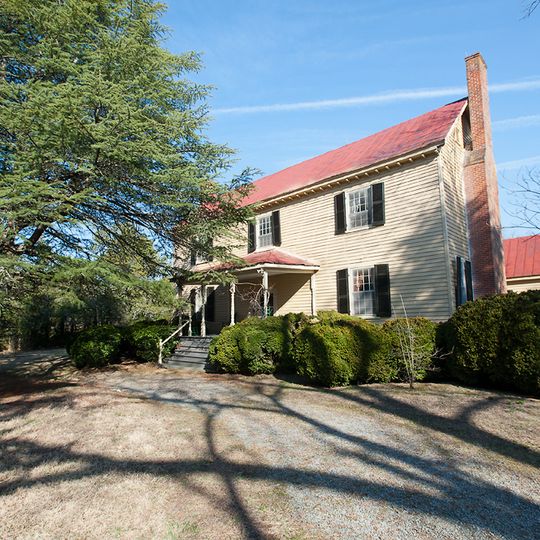
Black Walnut, historic house in Virginia
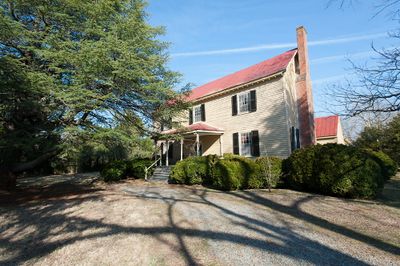
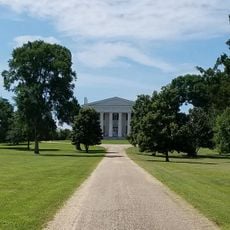
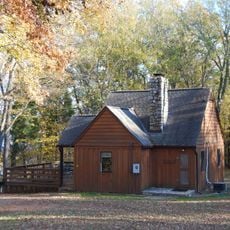
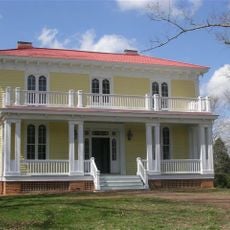
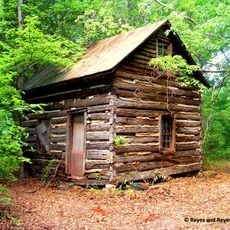
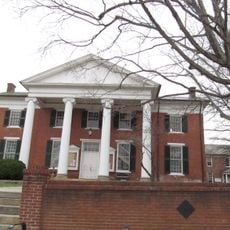
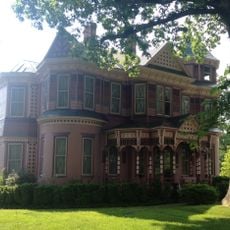
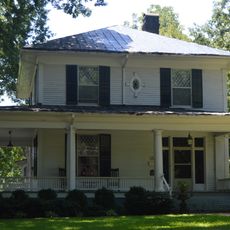
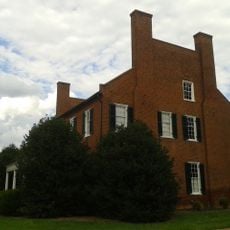
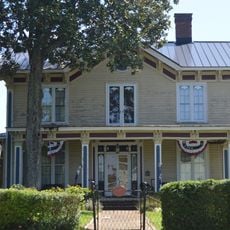
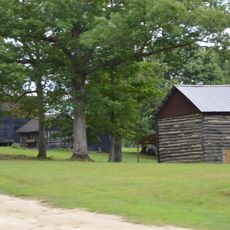
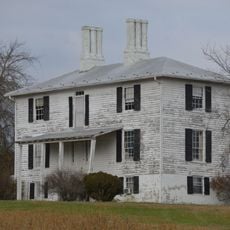
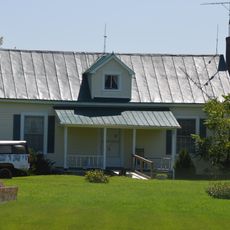
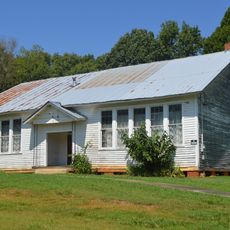
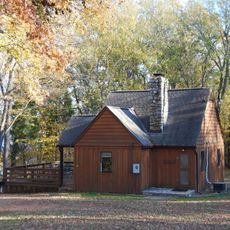
Black Walnut is a plantation in Halifax County, Virginia, featuring a large main house in Greek Revival style built between 1774 and 1790, then enlarged around 1800 and again in 1848. The house and roughly 20 outbuildings including a brick kitchen, wash house, two smokehouses, dairy, stable, barn, and worker housing demonstrate how a self-sufficient plantation was organized and operated.
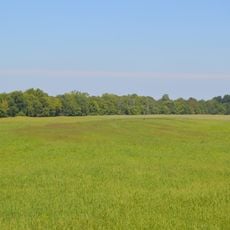
The plantation was established in the late 1770s and became one of the largest farms in Halifax County for many years. During the Civil War in 1864, the property hosted the only battle fought in the county, with Confederate troops camping on the land with up to 800 enslaved workers supporting their operations.
The name Black Walnut comes from the walnut trees that grew on the property. Visitors can observe how the family and workers used the space through gardens, work areas, and a cemetery that reflect the rhythm of daily plantation life.
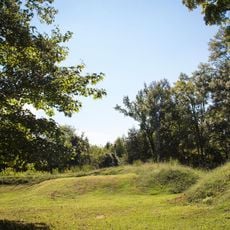
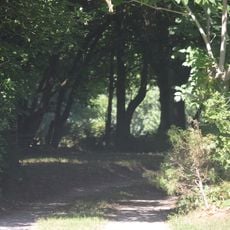
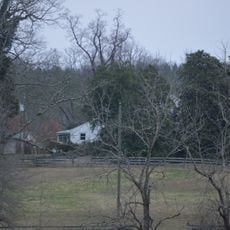
The property is not open daily for visitors, so check with local visitor centers beforehand if you want access. Many buildings are visible from the road, and the open, tree-shaded grounds are good for walking around and exploring at your own pace while being respectful of the historic structures.
In 1939, acclaimed film star Mary Pickford visited the estate during a national festival where she was crowned queen, walking through the house and grounds. This notable visit connects the rural plantation to early Hollywood history in an unexpected way.
The community of curious travelers
AroundUs brings together thousands of curated places, local tips, and hidden gems, enriched daily by 91,405 contributors worldwide.